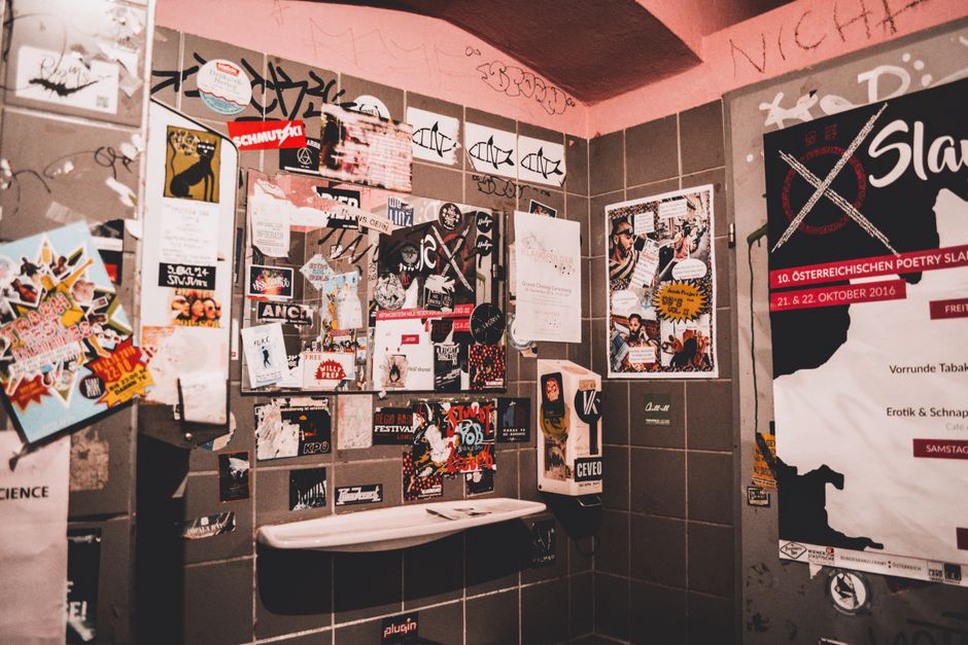
How Finnish Thrash Bands Promoted Shows and Releases, 2008–Mid-2010s
How Finnish thrash bands used flyers, local shows, demos and online pages to reach listeners—and what those promotional traces can tell archivists.

How Finnish thrash bands used flyers, local shows, demos and online pages to reach listeners—and what those promotional traces can tell archivists.
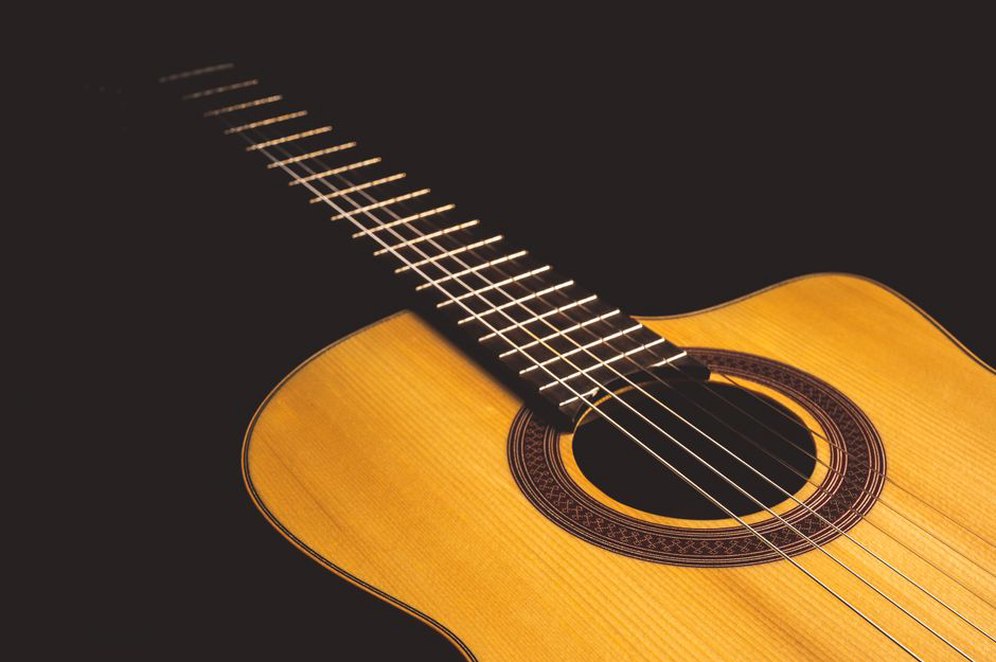
How acoustic introductions, breaks and reworked songs expose the riffs in Finnish thrash—and why credits, release formats and live recordings matter.
How to distinguish Finnish epic from Norse myth in metal lyrics and artwork, and assess mythology’s place in the Finnish thrash revival.
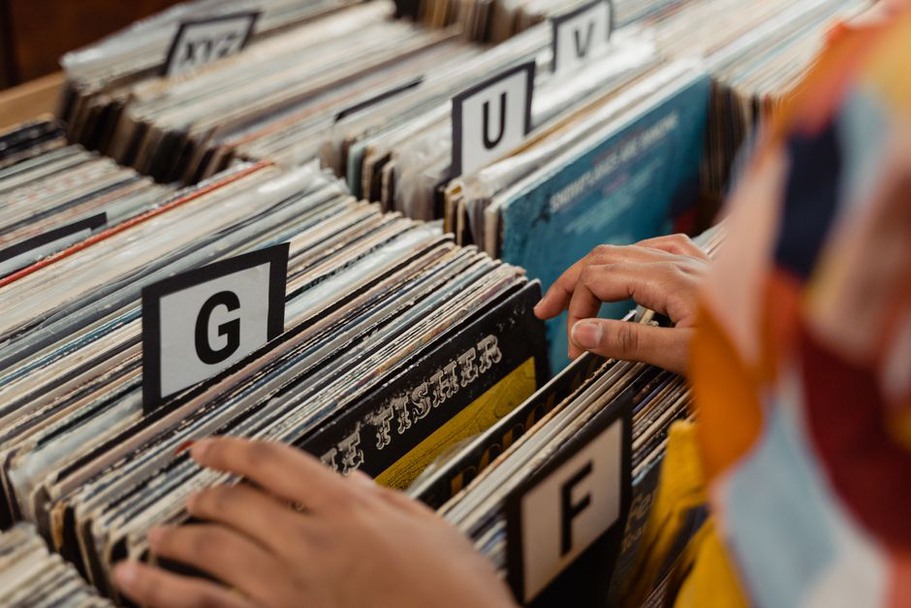
A closer look at Finnish thrash sleeves, from Stone’s debut to revival-era releases: logos, imagery, formats and the details that identify an edition.

A guide to Finnish thrash live recordings from the late 2000s to the mid-2010s, from rehearsal takes and club footage to questions of sound, provenance and preservation.

How independent labels helped Finnish thrash bands release, distribute and document records from the late 2000s to the mid-2010s.

Hear how Stone, Airdash, Mokoma and revival-era bands shaped Finnish thrash through arrangements, language, recordings and live work.
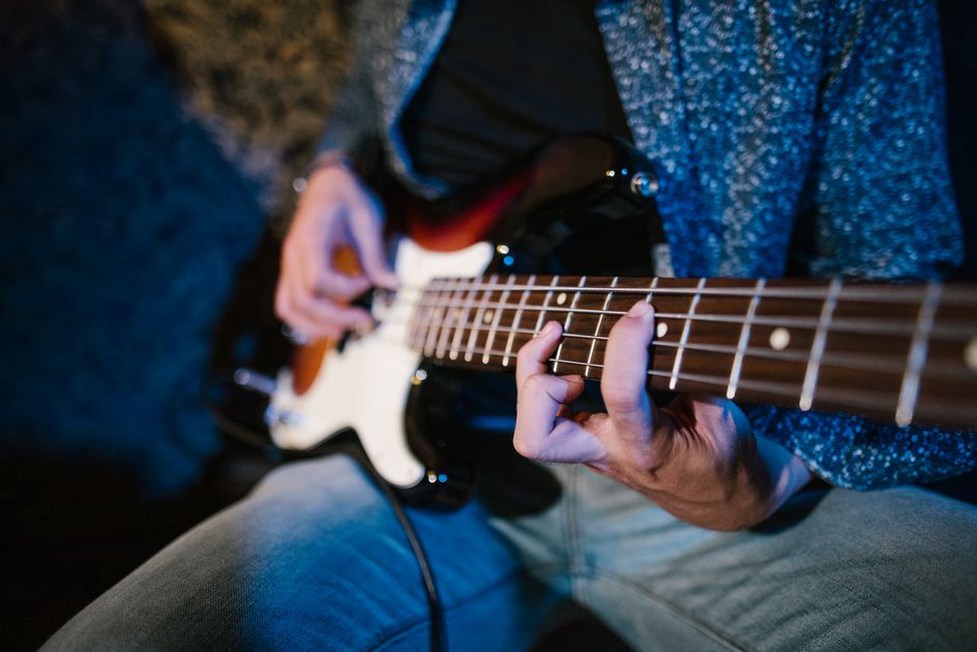
Listen closely to Finnish thrash guitar, from Stone’s early records to the 2010s revival, through riffs, rhythm sections, tone and arrangement.
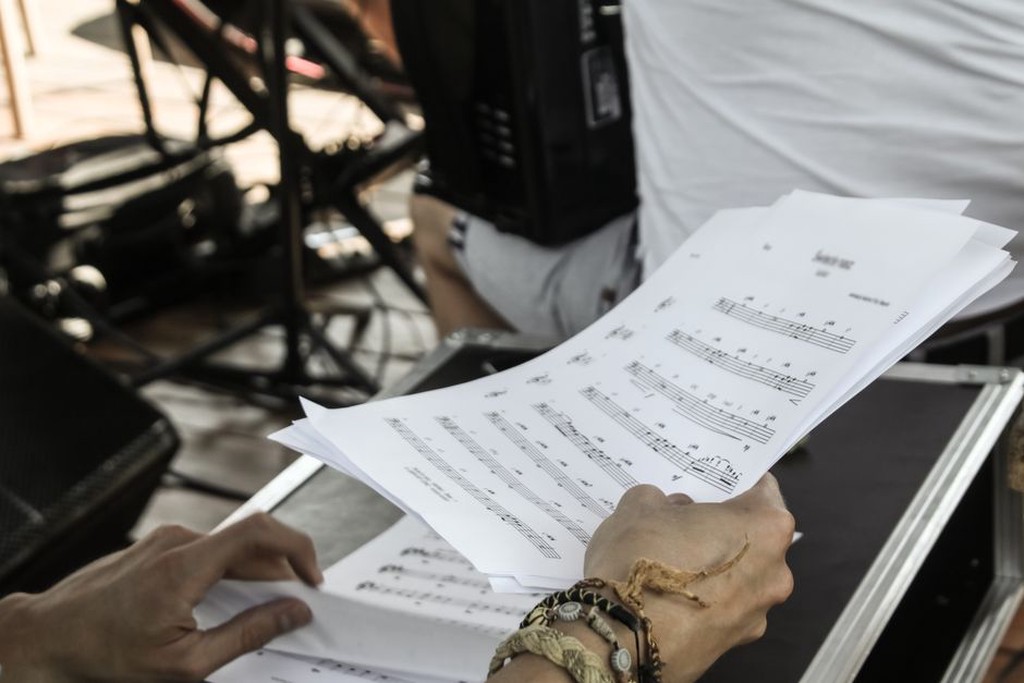
How fanzines helped Finnish thrash demos reach listeners, linked bands with gigs and contacts, and left a useful but incomplete record of the scene.

Hear the punk traits in Finnish thrash through riffs, drums, vocals and song structure, while keeping musical resemblance separate from documented influence.