
Politics in Finnish Thrash: Reading the Records Closely
How to read political themes in Finnish thrash, from Stone’s first-wave records to the revival, without mistaking sound or imagery for a band’s stated views.

How to read political themes in Finnish thrash, from Stone’s first-wave records to the revival, without mistaking sound or imagery for a band’s stated views.

A chronology of Finnish thrash milestones, from Stone and A.R.G. to the late-2000s debuts and Lost Society’s early albums.
How performance, editing and setting shape Finnish thrash videos—and how to catalogue what a clip shows without mistaking it for a live record.

Trace Finnish thrash from Stone’s first-wave records to Lost Society, with a closer listen to riffs, rehearsal-room craft and old-school influence.

How Finnish thrash bands of the revival years competed for attention, developed distinct sounds and shared a scene—without assuming every comparison was a feud.

A close listen to Finnish thrash vocals: phrasing, harshness, language, gang shouts and production across the first wave and revival.
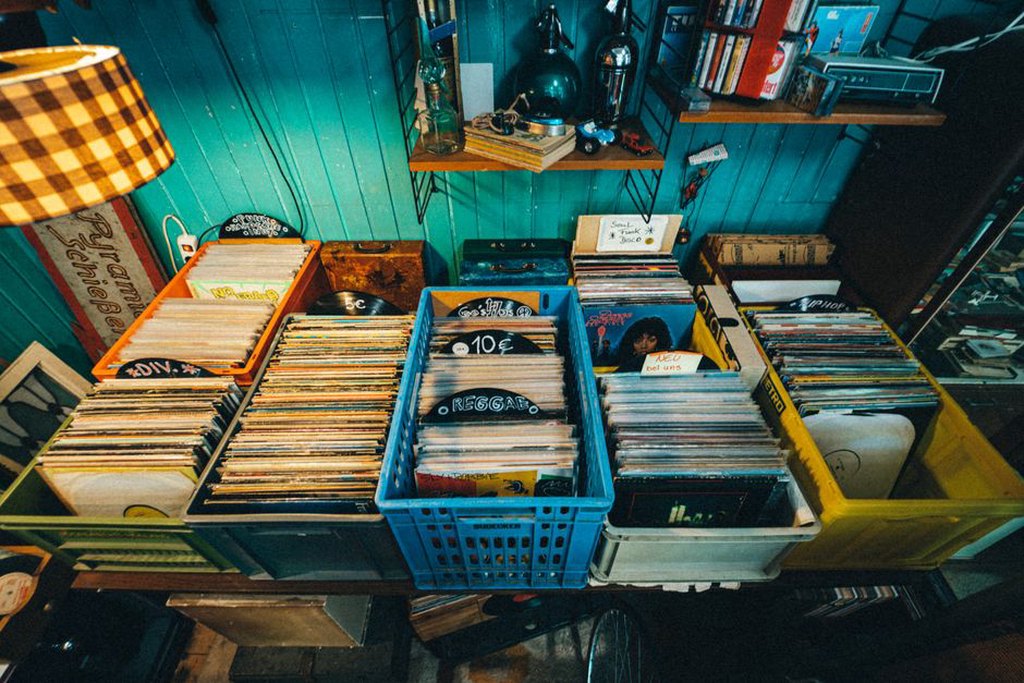
How Finnish thrash reached listeners abroad, from Stone and Airdash to Lost Society, through records, touring and independent metal networks.
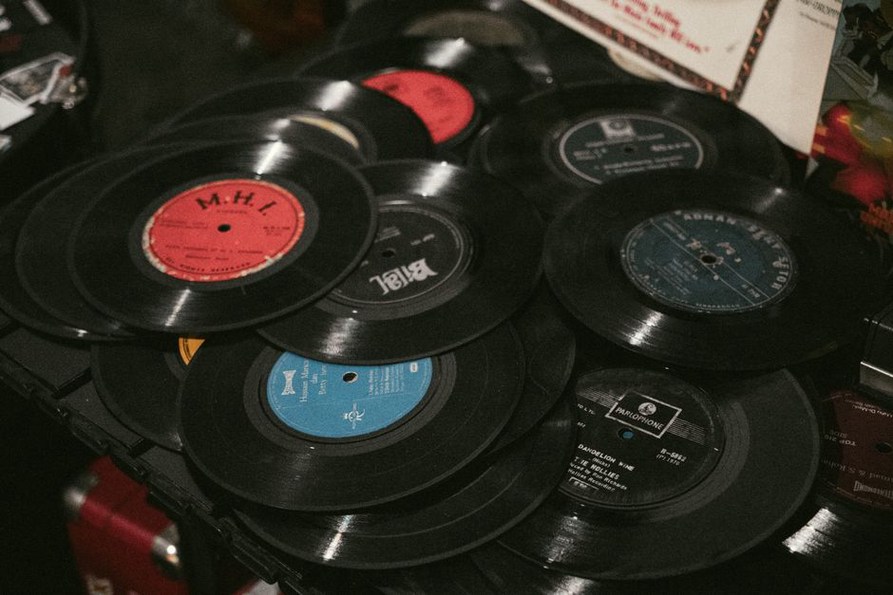
Listen across Finnish thrash albums by Stone, Airdash, Axegressor, Lost Society and others, with attention to songwriting, genre borders and reissues.
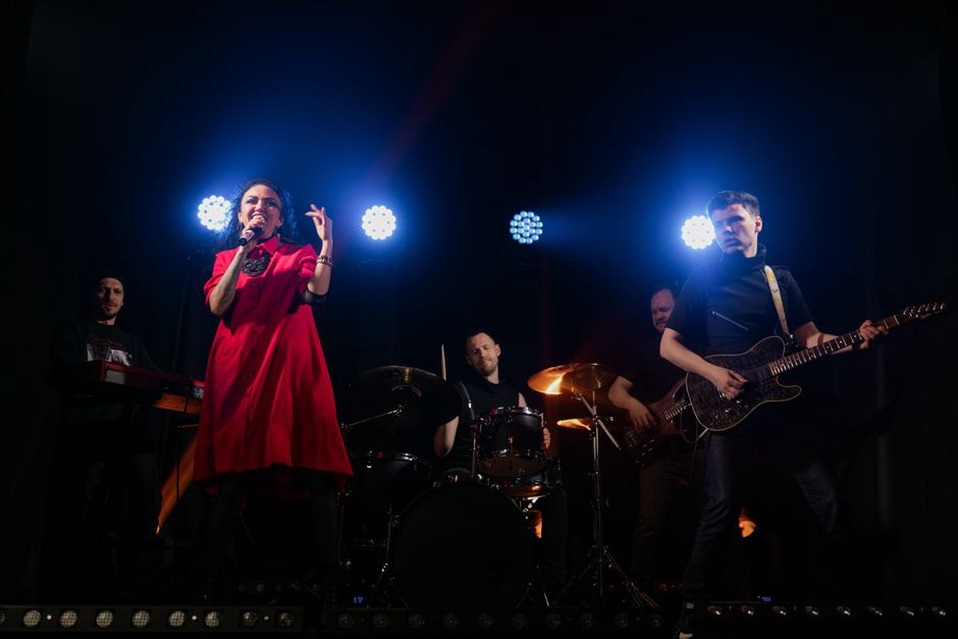
Compare first-wave Finnish thrash with its late-2000s and 2010s revival through recordings, musical details, live networks and the evidence behind claims of influence.

How Finnish thrash bands used cassette trades alongside gigs, labels and the internet—and what surviving tapes can, and cannot, tell us about their reach.