
If a morning routine depends on an extra hour of sleep you don’t have, it probably won’t last. Start with when you actually wake up, when you need to leave or begin work, and what has to happen in between. Build around those limits rather than planning for a different life.
Begin with the morning you already have
For three ordinary mornings, jot down when you wake, what you do, and where the time goes. Keep it rough: “7:10 alarm, 7:25 out of bed, 7:40 shower, 8:05 looking for keys.” Include interruptions, whether that’s helping a child or walking the dog. You’re looking for patterns, not grading yourself.
Then pick one recurring snag. If choosing clothes eats ten minutes, laying them out may help more than adding meditation. If breakfast gets skipped because you can’t decide what to make, settle on two easy options ahead of time. The best first change either removes a repeated decision or makes room for something that matters to you.
Set an anchor before adding activities
Choose something you already do as a cue: get out of bed, finish in the bathroom, or put on the kettle. Attach one action to it. “After I brush my teeth, I fill my water bottle” gives you a clearer instruction than “I’ll be more organized.” You know when to start and when you’re done.
If your hours vary, keep the sequence but let the clock time change: get dressed, eat, check what you need to carry. That can work after a 6 a.m. wake-up or a later one. For shift workers, “after I wake” may be a more useful starting point than “in the morning.”

Choose a small number of useful steps
You don’t need every habit associated with a productive morning. Choose two or three steps that address problems you’ve noticed: leaving late, feeling rushed, missing breakfast before a long commute, or hunting for work equipment when you should be starting.
- One essential step: something that must happen, such as taking prescribed medication as directed or packing a child’s lunch.
- One friction-reducing step: a quick check of your keys, wallet, work equipment, or first appointment.
- One optional step: a short walk, a few minutes of reading, or some quiet time if there’s room for it.
Keep essentials separate from preferences. Skipping a ten-minute stretch doesn’t mean the whole morning has gone wrong. If medication is on your list, follow your clinician’s or pharmacist’s instructions; don’t change its timing just to make the checklist neater.
Put each step in a workable order
Some tasks need to happen before others. You might start the kettle before making food, then check the weather before packing your bag. Group tasks by location so you’re not going back and forth between rooms. A basic order might be: bathroom, get dressed, eat, check bag, leave. Add detail where you tend to get stuck.
Allow the time things actually take. If breakfast and cleanup usually take fifteen minutes, giving them five won’t make you quicker; it will make you late. Leave room for a missing shoe, a slow computer, or a conversation that can’t wait.
Make the first action easier the night before
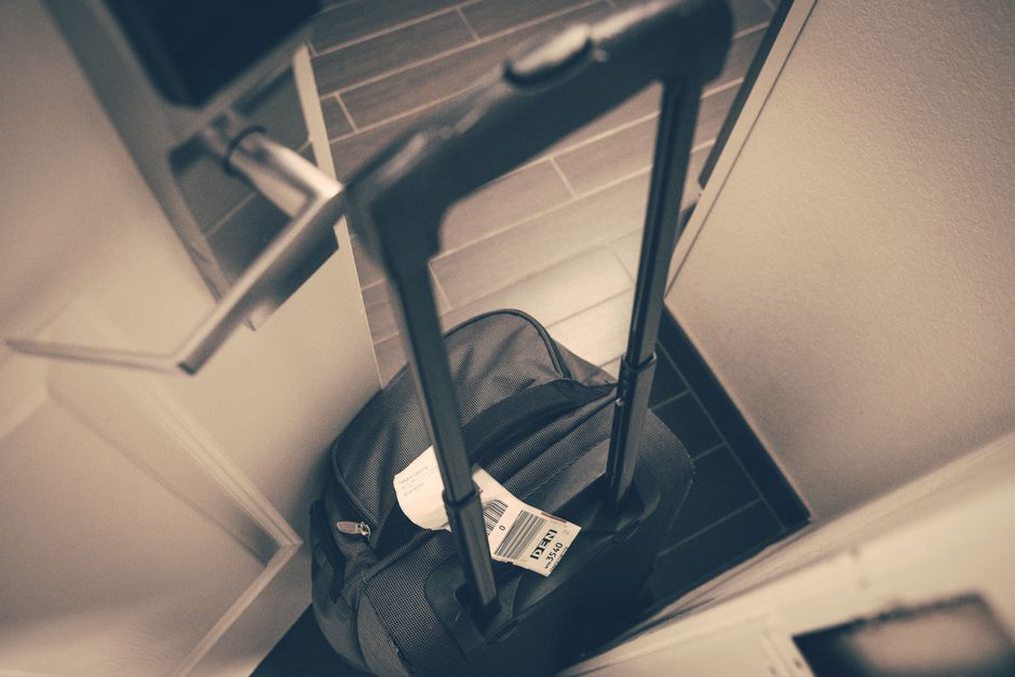
Evening preparation helps when it solves a particular morning problem. Put your bag by the door, check that a device is charged, or gather breakfast ingredients. There’s no need to create a second elaborate routine. Spending two minutes finding your keys tonight may do more good than making a long checklist you’ll avoid.
Give frequently used items a consistent place. If you use a paper list, keep it where you’ll act on it—a bag-check list by the door, for instance, rather than in a notebook on your desk. Phone reminders work best when they say what to do: “Take lunch from fridge” is more useful than “Have a good morning.”
Protect sleep instead of borrowing from it
An earlier alarm only helps if your sleep schedule can support it. Adults’ sleep needs vary, but regularly cutting sleep to fit in exercise, journaling, and a leisurely breakfast may make all three harder to enjoy. Before changing your alarm, try shortening the routine or moving a task to another part of the day.
If you do want to start earlier, make a small change and consider bedtime too. Don’t treat hitting snooze as a character flaw. If you regularly struggle to wake despite allowing enough time in bed, or persistent fatigue affects daily life, speak with a healthcare professional about possible causes. A stricter checklist won’t address a sleep problem.
Build a version for difficult days
Write two versions of your routine: the usual one and a minimum for days when you oversleep, feel unwell, or have an early appointment. The minimum might be “wash, dress, take medication as directed, grab prepared bag.” Having it written down saves you from deciding what matters while you’re already running late.
Know what you can drop. A walk can move to lunchtime; reading can wait. Other responsibilities can’t. If you care for someone in the morning, put their immediate needs first and keep your own extras flexible. Your mornings don’t have to look identical to work well.
Watch for steps that no longer earn their place
Give the routine a week or two before revising it. Note whether you completed the essential steps and whether the morning felt manageable; you don’t need a detailed tracker. If one step keeps falling away, ask why. Does it take longer than you thought? Does it depend on something unpredictable? Is it worth the time?
Change one thing at a time. Shorten a step, move it later, prepare for it the night before, or let it go. When a new job, school term, or caregiving need changes your schedule, revisit the timing rather than forcing the old plan to fit.
Tonight, try a three-line plan: “After I get dressed, I eat breakfast. Before leaving, I check my bag. If I’m late, I skip the optional walk.” Put it where you’ll see it tomorrow. After an ordinary weekday, you’ll know which line needs adjusting.