The shift in Finnish thrash metal's guitar tone didn't arrive with a landmark album. It crept in through rehearsal rooms in Helsinki, Tampere, and Oulu around 2006, as bands that had spent years copying the dry, scooped-mid attack of Bay Area classics started reaching for something rawer. Part of it was technical: overdriven tube amps pushed harder, less studio compression, the natural grit of a cranked Peavey or Marshall allowed to cut through. Earlier Finnish demos often buried the rhythm guitar under cymbals. The new approach put the riff up front, sharp and percussive. That tonal recalibration came to define a generation of recordings that felt both nostalgic and distinctly Nordic.
From Imitation to Identity: The Early 2000s Foundation
To understand why the sound shifted when it did, it helps to look at what Finnish thrash bands were working with in the first half of the decade. The country never lacked extreme metal talent, but thrash specifically had spent the late 1990s in a quiet phase, overshadowed by melodic death metal and the rising wave of symphonic power metal. A handful of dedicated groups kept the style alive through demo tapes and small club shows. Their recordings from this period show a clear reverence for the German and American schools: palm-muted chugs indebted to Sodom and Kreator, lead breaks modeled on Megadeth's chromatic runs, and a production aesthetic that prioritized clarity over aggression.
What those early releases generally lacked was a cohesive local character. A demo recorded in Kuopio in 2002 could be mistaken for something from Essen or Los Angeles. The vocals, usually shouted or barked in English, followed established patterns. Drumming leaned on the d-beat and standard skank beat without the reckless tempo shifts that would later become a hallmark of Finnish live sets. The foundation was solid but derivative. The real evolution began when musicians who had grown up on those demos started forming their own projects, bringing with them an appetite for harsher textures learned from Finland's broader extreme metal culture.
The Crossover with Black and Death Metal Aesthetics
One of the most significant but often overlooked factors in the evolution of Finnish thrash was its proximity to the country's black and death metal scenes. Unlike in some other regions where thrash operated in relative isolation, Finnish bands frequently shared rehearsal spaces, sound engineers, and even members with black metal outfits. This cross-pollination bled into the guitar sound. The treble-heavy, frostbitten tonality associated with early-1990s Norwegian black metal never fully took over, but its influence appeared in subtle ways: a preference for slightly rawer snare sounds, a willingness to let bass frequencies rumble rather than stay tightly gated, and an increasing comfort with longer, more atmospheric song structures.
Death metal's impact was more direct. The low-end heft that defined acts like Demilich and early Amorphis found its way into thrash recordings through bass guitar placement. Engineers who had cut their teeth recording brutal death metal in Turku or Helsinki applied similar techniques to thrash sessions: letting the bass guitar occupy a growling, distorted mid-range rather than sitting cleanly beneath the guitars. The result was a thicker, more menacing wall of sound that distinguished Finnish thrash from the cleaner separation typical of American or German productions.
The DIY Studio Revolution and Its Sonic Signature
Between 2007 and 2012, affordable digital recording equipment became accessible enough that bands could produce professional-quality material without booking expensive studio time. This democratization of recording technology had a profound effect on the sound. Groups that had previously relied on a single weekend in a commercial facility could now spend weeks experimenting with microphone placement, layering guitar tracks, and refining their tones in rehearsal spaces converted into makeshift studios.
The DIY approach encouraged risk-taking. Without a clock ticking and a paid engineer suggesting safer choices, guitarists began exploring deliberately ugly tones: fuzz pedals pushed into solid-state amps, bass strings recorded through guitar amplifiers, and vocal tracks left deliberately dry and confrontational. The 2008–2011 period saw a flood of self-released EPs and full-lengths that shared a common sonic thread: an aggressive, unpolished immediacy that felt like a direct reaction against the quantized, sample-replaced productions dominating mainstream metal at the time.
Drum Sounds That Defined a Generation
A discussion of Finnish thrash's sonic evolution cannot ignore the drum sound. During the scene's peak activity in the early 2010s, a recognizable drum production style emerged. The snare drum in particular became a signature element: tight, high-pitched, and crackling, often with minimal reverb, cutting through dense guitar layers like a hammer on concrete. This stood in stark contrast to the deeper, more resonant snare tones popular in American thrash revival bands of the same era.
Kick drum patterns grew more adventurous as well. The relentless double-bass runs inherited from German thrash remained, but drummers increasingly incorporated the galloping, almost punk-influenced beats associated with crossover thrash. Tempo fluctuations within a single song became common, with sections lurching from breakneck speed to crushing mid-tempo grooves. This rhythmic unpredictability became one of the most reliable markers of a Finnish thrash recording, a direct translation of the chaotic energy that characterized the scene's live performances.
The Live Crucible: How Concert Sound Shaped Studio Choices
The relationship between live performance and recorded sound in Finnish thrash was unusually tight. Because many bands played extensively before entering any studio, their songwriting and tonal decisions were tested repeatedly in small venues with unpredictable acoustics. A riff that sounded massive in a rehearsal space might collapse into mud in a concrete-walled basement club. The solution, arrived at collectively by the scene, was to write parts with more space: fewer simultaneous voices, more staccato accents, and bass lines that locked in with kick drum patterns rather than simply doubling the rhythm guitar.
This practical, road-tested approach to arrangement gave Finnish thrash recordings a clarity that belied their raw production values. Even the most abrasive-sounding demos tended to have well-defined rhythmic structures underneath the distortion. The influence of the country's festival circuit was also significant. Events like Jalometalli in Oulu and the heavy metal gatherings that dotted the summer calendar provided opportunities for bands to perform on larger sound systems. Engineers working those stages developed expertise in translating the scene's dense, bass-heavy sound to outdoor environments, knowledge that fed back into studio practice.
The Role of Regional Isolation in Sound Development
Finland's geography played an underappreciated role in shaping the thrash sound. With bands spread across cities separated by significant distances, regional micro-scenes developed distinct sonic identities before they had much contact with each other. Helsinki groups, with easier access to touring international acts and professional studios, tended toward a slightly more polished, groove-oriented approach. Bands from Tampere often exhibited a rawer, punk-inflected edge, reflecting that city's historic association with hardcore and crust punk. In Oulu, farther north and more isolated, the thrash that emerged carried a colder, more melancholic undercurrent, with guitar harmonies that occasionally hinted at the region's melodic death metal heritage.
When these regional styles began mixing through shared bills and compilation releases around 2010, the cross-fertilization accelerated the sound's evolution. A band from Jyväskylä might incorporate the rhythmic quirks of a Tampere group while adopting the atmospheric leanings of an Oulu act. The result was a scene that felt unified without being homogeneous, a network of distinct approaches bound together by shared values: aggression, sincerity, and a deep respect for thrash metal's foundational vocabulary.
Vocal Approaches and Lyrical Delivery
Vocals in Finnish thrash underwent their own evolution during this period. The early reliance on a standardized thrash bark gradually gave way to a wider range of deliveries. Some vocalists pushed their voices into a hoarser, almost black metal territory, while others adopted a gruff, hardcore-influenced shout that prioritized rhythmic cadence over melody. The common thread was a rejection of the clean, operatic singing that had dominated other Finnish metal subgenres. Thrash vocalists aimed for confrontation, not polish.
Lyrically, the scene moved away from the fantastical and political themes common in 1980s thrash toward more personal and observational content. Songs dealt with alienation, urban decay, and the mundane frustrations of life in a society that, for all its reputation for stability, produced its own forms of discontent. This lyrical directness matched the music's raw aesthetic, reinforcing the sense that Finnish thrash was not a nostalgic exercise but a living, breathing form of expression.
European Touring and the Introduction of Outside Influences
As Finnish thrash bands began touring continental Europe more regularly in the early 2010s, the sound absorbed new influences while simultaneously exporting its own characteristics. Shared bills with German, Swedish, and Czech thrash acts exposed Finnish musicians to different approaches to guitar tone and songwriting. The tight, mechanical precision of certain German bands found its way into Finnish recordings, tempering the scene's natural rawness with greater rhythmic discipline. At the same time, European audiences and promoters began to recognize the distinctiveness of the Finnish approach, particularly its rhythmic adventurousness and the dark melodic sensibility that set it apart from the more straightforward aggression of other revival scenes.
These tours also had a practical effect on equipment choices. Bands that had relied on whatever backline a local club could provide learned to travel with essential gear, developing a pragmatic approach to achieving their sound in unfamiliar environments. This adaptability further refined the scene's sonic identity, stripping away dependencies on specific amplifiers or effects and focusing attention on the core elements of riff construction and rhythmic interplay.
The Vinyl Revival and Its Sonic Implications
The resurgence of interest in vinyl records during this period had a measurable impact on how Finnish thrash albums were mixed and mastered. Labels specializing in underground metal, including several small Finnish operations, began releasing material on vinyl with increasing frequency after 2010. Engineers who knew their work would be cut to wax made different decisions about low-end content and dynamic range than they would for a digital-only release. The result was a mastering approach that preserved more of the music's natural dynamics, avoiding the loudness wars that had flattened so many metal productions in the CD era.
This vinyl-conscious approach to recording reinforced the scene's existing preference for organic, un-squashed sound. Albums from this period tend to breathe more than their purely digital counterparts, with discernible dynamic shifts between verses and choruses and drum hits that retain their transient impact. For collectors and listeners accustomed to the fatiguing compression of mainstream metal, these records offered a refreshing alternative that felt physically present and alive.
Guitar Harmony and Melodic Sensibility
A distinctive feature of the mature Finnish thrash sound was its approach to melody. Unlike the harmonized lead guitar breaks of traditional heavy metal or the atonal shredding of some extreme metal subgenres, Finnish thrash guitarists often wove minor-key melodic fragments directly into rhythm parts. These were not full-blown melodies but brief, mournful phrases that surfaced between palm-muted chugs, lending the music a melancholic undertone even at its most aggressive.
This melodic instinct connected Finnish thrash to the country's broader musical traditions, where minor-key melancholy runs deep in folk and popular music alike. It also distinguished the scene from the more purely aggressive thrash revival happening simultaneously in other parts of the world. A Finnish thrash song could shift from a punishing blast of speed to a surprisingly introspective bridge without losing coherence, a flexibility that expanded the music's emotional range.
Documenting the Sound Through Independent Releases
The independent release model that dominated Finnish thrash during its peak years encouraged prolific output and rapid stylistic evolution. Bands were not waiting for label approval or working within commercial constraints; they were writing, recording, and releasing material at their own pace. This led to discographies that function as sonic diaries, documenting incremental changes in tone, songwriting, and production approach from one release to the next.
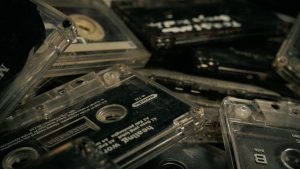
Cassette tapes, CD-Rs, and limited vinyl pressings circulated through a network of distros, trades, and concert merch tables. The physicality of these formats mattered. A dubbed demo tape carried a different sonic signature than a professionally pressed CD, and collectors learned to appreciate the lo-fi warmth of cassette recordings as part of the music's character. The broader cultural context of this community of collectors and their dedication to physical media is explored in depth when examining The Rise and Impact of Finnish Thrash Metal, where the social fabric supporting the sound becomes clearer.
The Bass Guitar's Elevated Role
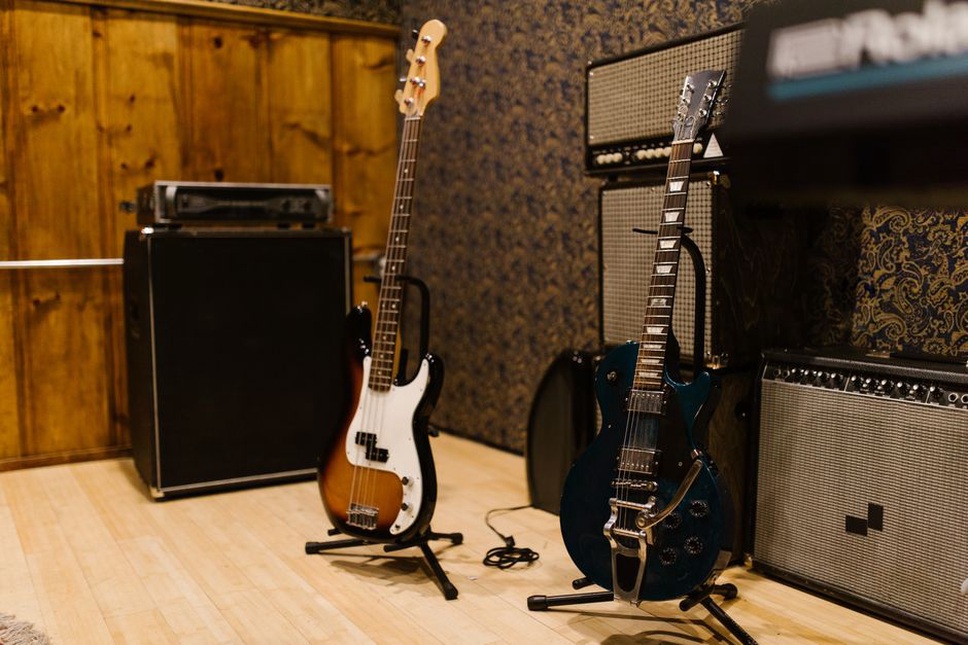
One of the most technically distinctive elements of the Finnish thrash sound was the treatment of bass guitar. In many thrash traditions, bass serves a supporting role, doubling the guitar riff and providing low-end weight without drawing attention to itself. Finnish bands frequently broke from this convention. Bassists used distortion and overdrive not as subtle coloration but as a primary element of their tone, creating a grinding, chainsaw-like texture that competed with the guitars for mid-range space.
This approach required careful arrangement to avoid sonic chaos. Guitarists responded by writing parts with more rhythmic space, often dropping out entirely during verses to let the bass and drums carry the groove. When guitars returned, the contrast amplified their impact. The resulting push-and-pull dynamic became a hallmark of the scene's most effective recordings, a textural interplay that rewarded attentive listening and powerful playback systems alike.
The visual dimension of these releases often mirrored the music's raw, handcrafted quality, with album artwork that reflected the same DIY ethos present in the recordings themselves. The relationship between sound and image in this context deserves its own careful consideration, which is why the subject of Exploring the Visual Language of Finnish Thrash Metal provides a complementary perspective on how the scene presented itself visually.
The Enduring Sonic Fingerprint
The sound that crystallized in Finnish thrash between roughly 2008 and 2014 was not the product of any single innovation. It emerged from a confluence of factors: the accessibility of DIY recording, the influence of neighboring extreme metal subgenres, the practical demands of relentless live performance, the geographic isolation that fostered regional variation, and the vinyl-conscious mastering approach adopted by small independent labels. The result was a sonic fingerprint that remains identifiable decades later: raw but articulate, rhythmically restless, darkly melodic, and built on a foundation of overdriven bass and unpolished guitar tone.
For listeners encountering these recordings today, the sound offers a document of a specific moment when a geographically scattered community of musicians, connected by shared values and a rejection of mainstream metal's excesses, collectively refined a language that honored thrash metal's past while insisting on its own regional voice. The recordings endure not as period pieces but as evidence that genuine sonic evolution happens most reliably not in expensive studios under commercial pressure, but in rehearsal rooms, basement shows, and the unglamorous, persistent work of musicians committed to finding their own sound.