
The Foundations of Finnish Thrash Metal
Finnish thrash metal found its roots in the late 1980s, but it wasn't until the late 2000s and early 2010s that the genre truly carved out its niche. Bands such as Lost Society, Stam1na, and Amoral played pivotal roles in shaping a sound that fused the raw power of traditional thrash with uniquely Finnish influences. These groups were trailblazers, creating a scene that balanced aggression with melody.
Key Albums That Defined the Era
Several albums from this period stand out as milestones in Finnish thrash metal. Lost Society's debut album, Fast Loud Death (2013), exemplifies this era with its frenetic pace and youthful energy, capturing the essence of thrash alongside the band's technical skill. Likewise, Stam1na's 2008 album, Raja, merged thrash with progressive elements, challenging genre norms with intricate song structures and profound lyrics.
Amoral, initially rooted in death metal, ventured into thrash with albums like Reptile Ride (2007), showcasing their knack for blending melody with intensity. This shift underscored the fluid nature of the Finnish metal scene, where bands often defied strict genre classifications in pursuit of creative exploration.
Independent Releases and the DIY Ethic
Embracing an independent spirit, Finnish thrash metal bands often took a DIY approach to producing and releasing their albums. This method afforded them greater artistic freedom and fostered a tight-knit community among musicians and fans. The ethos of raw energy and independence is further explored in The DIY Spirit of Finnish Thrash Metal.
Independent labels like Spinefarm Records and Svart Records were instrumental in distributing and promoting these releases. Their commitment to supporting local talent enabled bands to reach broader audiences without sacrificing their creative integrity.
Memorable Live Performances and Tours
Live shows were a cornerstone of the Finnish thrash metal experience. Bands such as Children of Bodom and Ensiferum, though not strictly thrash, often performed alongside thrash acts, contributing to a lively concert scene. These performances were marked by an intensity that matched the energy of their recordings, solidifying their status in the metal community.
European tours were vital for Finnish thrash bands, providing opportunities to build international followings. These tours frequently included stops at major festivals, offering exposure to varied audiences and fostering cultural exchanges with other European metal scenes.
The Aesthetic and Sound
Finnish thrash metal's aesthetic draws heavily from classic thrash traditions while incorporating distinct visual and sonic elements unique to Finland. Album covers often feature cold, apocalyptic imagery, echoing the stark beauty of the Finnish environment. This visual language is examined in detail in Finnish Thrash Album Covers.
Musically, Finnish thrash metal is known for its precision and technicality. Intricate guitar work and rapid drumming are hallmarks of the genre, with lyrics frequently addressing societal issues, personal struggles, and existential themes.
Exploring Discographies
- Lost Society: Renowned for their relentless speed and youthful vigor. Notable albums include Fast Loud Death (2013) and No Absolution (2020).
- Stam1na: A blend of thrash and progressive metal. Key albums are Raja (2008) and Elokuutio (2016).
- Amoral: Shifted from death metal to thrash with works like Reptile Ride (2007) and Fallen Leaves & Dead Sparrows (2014).
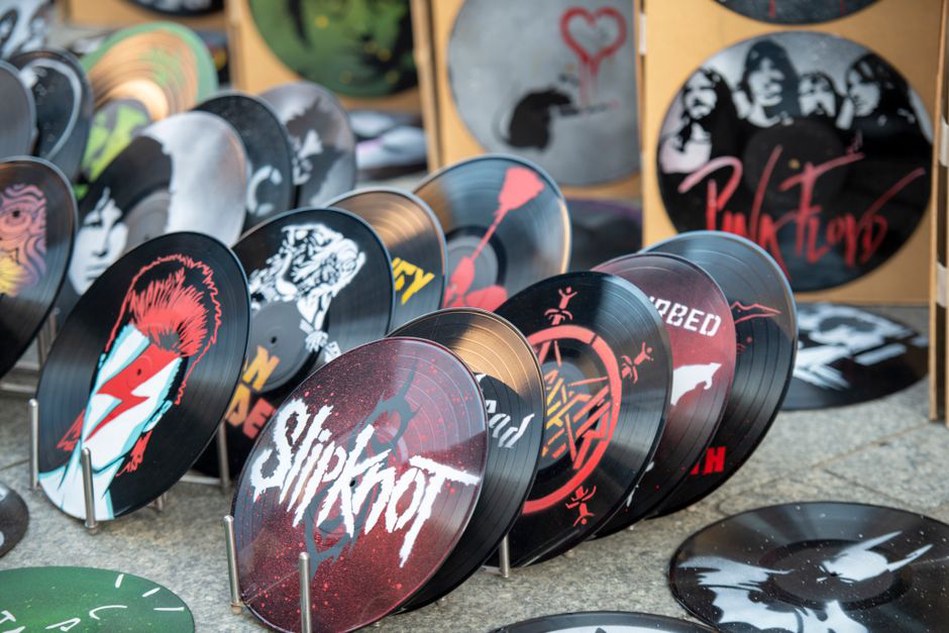
The discographies of these bands not only illustrate their individual evolution but also mirror broader trends in the Finnish thrash metal scene. Each album serves as a snapshot of its time, encapsulating the spirit of the era it represents.
For those eager to explore the origins and future of Finnish thrash metal, delving into these discographies offers insight into a scene that continues to grow while remaining true to its foundational principles.