During the late 2000s and into the mid-2010s, Finland's underground thrash metal scene was a whirlwind of creativity and dedication. This era was pivotal for Finnish thrash metal, marked by numerous independent releases, a lively concert scene, and a unique sound that both honored traditional thrash metal and pushed its boundaries.
The Rise of Independent Releases
Independent releases were the heartbeat of Finnish thrash metal during this time. Bands often worked with limited resources, recording in makeshift studios or even at home. This do-it-yourself approach, inspired by punk influences, gave bands greater artistic freedom. The outcome was a raw, genuine sound that resonated with metal enthusiasts.
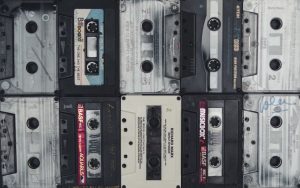
Many bands chose to release their music on vinyl, paying tribute to the iconic metal bands of the 1980s. Vinyl records provided a prestigious, tactile experience that digital formats couldn't match. For a deeper look at the cultural importance and the collectors' perspective on these releases, Preserving the Legacy of Finnish Thrash Metal Through Vinyl and Memorabilia offers an insightful exploration.
Concerts and Festivals: The Heartbeat of the Scene
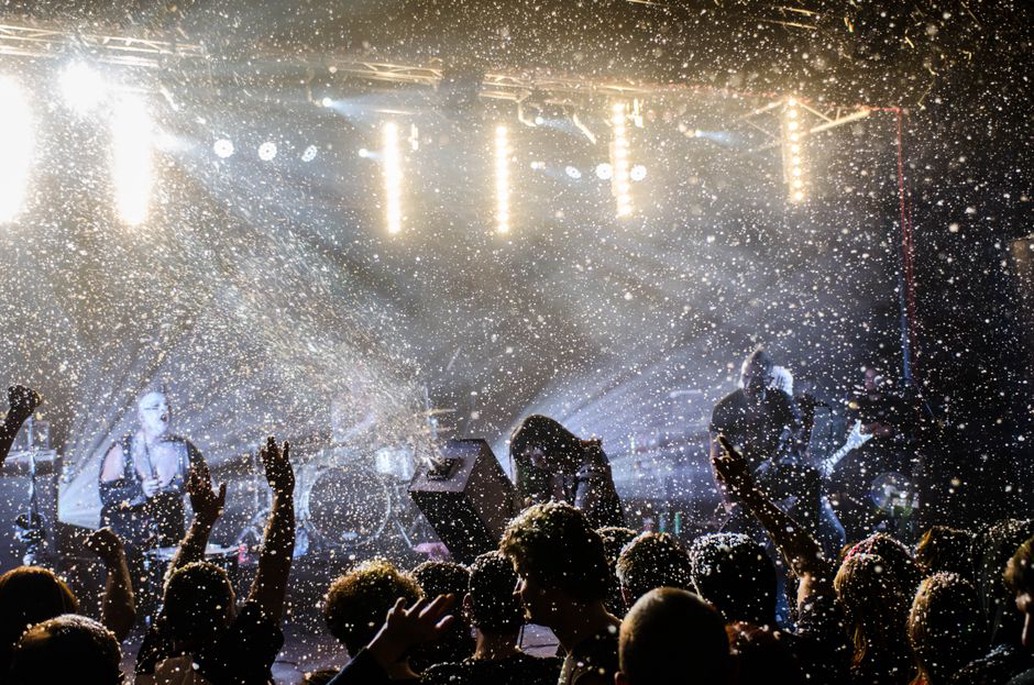
Live shows were essential for Finnish thrash metal bands to engage with their audience and gain visibility. Small, intimate venues hosted electrifying performances where fans and bands shared a mutual passion for the genre. The atmosphere at these concerts was electric, with mosh pits and headbanging becoming rites of passage for attendees.
Beyond local gigs, Finnish thrash bands also took part in festivals that celebrated metal music. These events allowed bands to reach larger audiences and fostered a strong sense of community among metal fans. The significance of these live performances is captured in Unforgettable Moments in Finnish Thrash Metal Shows, where fans share their most memorable concert experiences.
The Sound and Aesthetic of Finnish Thrash Metal
Finnish thrash metal bands of this era drew inspiration from the classic thrash sound of bands like Metallica and Slayer, but with their own twist. The music was fast and aggressive, featuring rapid guitar riffs and powerful vocals. Lyrically, the bands tackled themes from social issues to personal struggles, often with a rebellious tone.
The visual aspect was equally important in defining the Finnish thrash metal aesthetic. Album covers, with their intricate artwork and bold designs, played a key role in expressing the band's identity and message. This visual language is explored further in Exploring the Visual Language of Finnish Thrash Metal, which examines the artistic elements that defined this era.
European Tours and International Recognition
As Finnish thrash metal bands refined their skills and built a loyal fanbase at home, they began touring Europe. These tours were often challenging, with long distances and tough conditions, but they provided invaluable exposure and a chance to connect with a wider audience.
By performing internationally, Finnish thrash metal bands contributed to the global metal scene, earning respect from fans and fellow musicians. This cultural exchange enriched the bands' music and solidified Finland's reputation in the global thrash metal community.
The Community and Legacy
The Finnish thrash metal scene was more than just music; it was a community. Fans, musicians, and promoters all contributed to a supportive environment. This sense of community was nurtured through shared experiences at concerts and collaborative projects, celebrating thrash metal's rebellious spirit.
Today, the legacy of Finnish thrash metal from the late 2000s to mid-2010s lives on through the music, memorabilia, and memories of those who were part of this energetic scene. Its impact is still felt in the Finnish metal community, inspiring new generations of musicians and fans.