A bottle that keeps water cold for hours is little help if you cannot clean its narrow mouth or trust its lid in a bag. Think first about where you will carry it, how often you can refill it, and how you are willing to wash it. Those everyday details matter more than a long feature list.
Match the capacity to your refill opportunities
Capacity affects weight, size, and how often you need a tap. A smaller bottle is easier to carry on a short commute and may fit a crowded desk. A larger one helps when refills are inconvenient, but a litre of water weighs about a kilogram before you count the bottle. Check the stated capacity rather than judging by height: thick insulation and tapered sides can leave less room inside than you expect.
Think through an ordinary day. If you can refill at work, roughly 500–750 mL may be enough between stops. If drinking water will be hard to find for several hours, you might want a larger bottle or a second container. Hot weather and physical activity change how much water you need, but you need not carry your entire day's supply at once.
Measure the spaces the bottle needs to fit, checking its diameter and its height with the lid or handle attached. Cup holders, backpack sleeves, bicycle cages, and refrigerator shelves all impose different limits. The capacity on a label will not tell you whether a bottle fits securely on your commute.
Choose a material for the way you use it
The main options are stainless steel, plastic, glass, and, less commonly, aluminum. Each affects weight, durability, how easily you can see the contents, and the care required. Check the lid as well as the body; they may be made of different materials.
Stainless steel
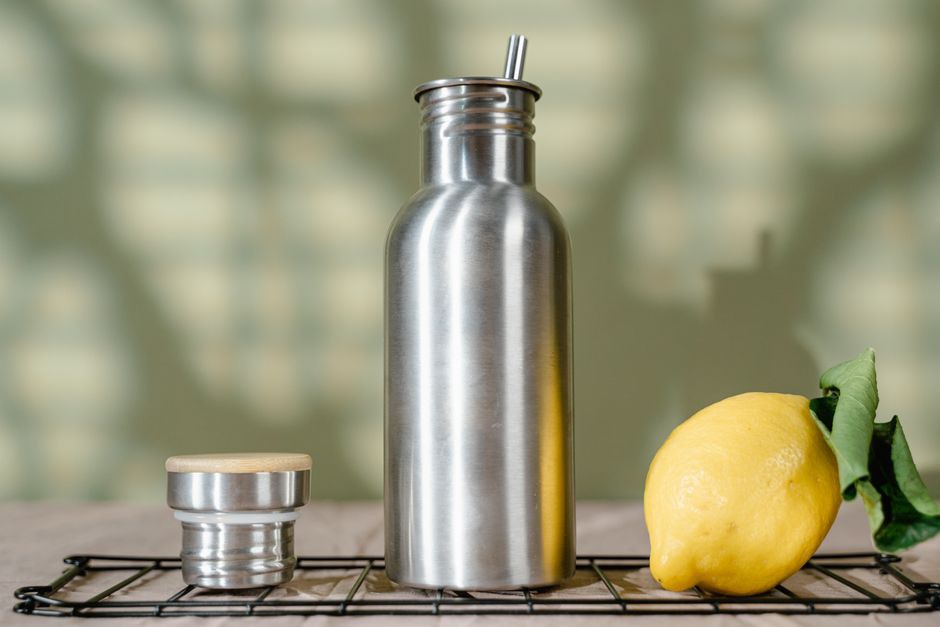
Stainless steel is durable and comes in single-wall and insulated designs. An uninsulated bottle is usually lighter and slimmer than a comparable vacuum-insulated one. Insulated bottles have two walls separated by a vacuum, which slows heat transfer but adds bulk and weight. That trade-off may be worthwhile if water gets unpleasantly warm during a long shift.
Steel can still dent. Some dents are cosmetic, but damage near the base or rim may affect how the bottle stands or seals. Stainless steel bodies are often sold without an internal lining, though caps may include plastic and silicone. If a coating or material matters to you, check the specifications for the exact model.
Plastic
Reusable plastic bottles tend to be light, which can make them easier to carry during exercise. A translucent bottle also lets you see the water level and inspect the inside. Over time, plastic may scratch, hold odors, or turn cloudy. Follow its temperature limits: a bottle made for cold water is not necessarily suitable for hot drinks or a dishwasher's heated drying cycle.
Look for clear instructions on how any food-contact plastic should be used and washed. “BPA-free” alone does not tell you whether a bottle tolerates boiling water, repeated dishwashing, or acidic drinks.
Glass and aluminum
Glass generally does not hold flavors, and you can easily see whether the inside is clean. It is heavier than other options and can break when dropped, even with a silicone sleeve to help with grip and minor bumps. It may be better suited to a desk or home than a gym floor or a bag that gets knocked around. Check whether you need to remove the lid or sleeve for washing.
Aluminum is light, but aluminum bottles commonly have an interior lining that keeps the drink from touching the metal. Follow the maker's care instructions and watch the lining's condition. If it chips, peels, or gives the drink an unusual taste, stop using the bottle until you can determine whether it needs replacing.
Decide whether insulation earns its extra space
Insulation is useful when drink temperature matters. A vacuum-insulated bottle can keep cold water cool longer and reduce condensation outside. Results depend on the bottle, how full it is, the water's starting temperature, and whether the bottle sits in direct sun. A label's temperature claim may reflect test conditions unlike your usual day.
There are costs to that performance. Insulated bottles tend to be heavier and hold less water for their external size; some will not fit a cup holder. You also cannot tell by touching the outside whether a hot drink is still hot. If you carry hot and cold drinks, check that both the body and lid are rated for hot liquids. Some straw lids are only meant for cold drinks. Open a bottle containing a hot drink carefully, especially if it has been shaken or pressure may have built up.
If you mostly drink room-temperature tap water and refill often, a lighter, uninsulated bottle may be easier to carry and clean. Otherwise, you may be hauling extra bulk for a feature you rarely use.
Examine the lid as closely as the bottle
The lid affects how a bottle drinks, cleans, and holds up inside a bag. A screw cap has fewer moving parts than many flip or push-button lids, though it usually takes two hands to open. A straw or spout is handy while walking or exercising, but its channels and seals take more work to clean. A wide opening makes filling and brushing easier; it can also spill more readily when you drink on the move.
Do not confuse a leakproof closure with a splash-resistant one. A lid that withstands a bump on a desk may leak when the bottle lies sideways next to books or electronics. Read the description for the specific lid, since one bottle range may offer caps with different leak ratings. If you can inspect it in person, make sure the threads engage smoothly, the gasket sits evenly, and the latch does not pop open with a light knock.
Give the handle or loop a look, too. A flexible loop may feel fine for a short carry but awkward on a heavy, full bottle. A rigid handle adds height and might catch on a bag sleeve. If you intend to clip the bottle to a backpack, check that the maker permits it; a small lid loop may not withstand the full bottle's weight and repeated jolts.
Make cleaning a buying criterion
Even a water-only bottle needs regular washing. Moisture on a mouthpiece, condensation in a straw, and residue around a gasket can allow buildup. Sweet drinks call for prompt, thorough cleaning. If you know you will not take apart an intricate lid after each use, buy one with fewer hidden surfaces.
Look for instructions showing which lid parts come off. Can your brush reach the bottom? Is there a brush that fits the straw? Can you lift the seal without damaging it and put it back securely? Replacement gaskets and straws can help you keep using a bottle, provided they are available for that model.
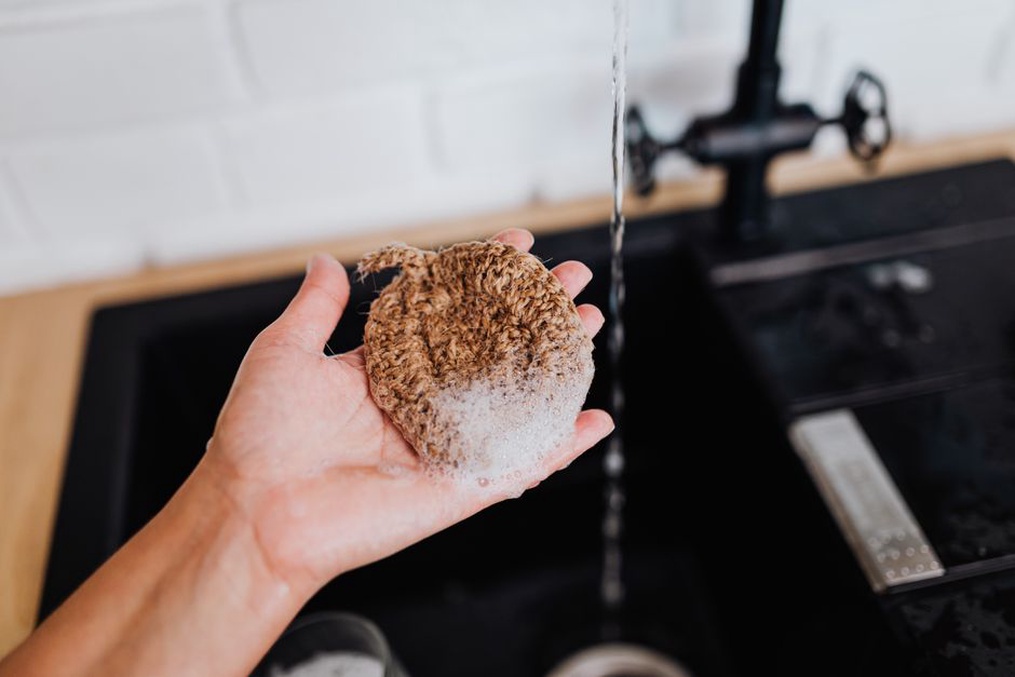
“Dishwasher-safe” may apply only to part of the bottle. The body might be dishwasher-safe while the lid requires hand-washing, or a coated exterior might need gentler care than bare steel. Follow the stated guidance on temperature and rack placement. For hand-washing, use warm water, dish soap, and a brush that reaches the base and threads. Rinse removable parts and let everything dry fully before reassembly or storage. A damp bottle left closed can develop odors.
If a smell remains after proper cleaning, check the straw, seal, and scratched surfaces before throwing away an otherwise sound bottle. Replace a gasket that is torn, misshapen, or no longer stays seated; the closure cannot remain leakproof without it.
Check durability, repairability, and replacement parts
Daily wear often shows up first in the closure. Hinges, buttons, threads, and seals get handled more than the body, so a simpler lid may be easier to maintain over time. See whether you can buy caps and seals separately, and confirm they fit the exact size and version you are considering. Similar-looking lids are not always interchangeable.
Inspect the base and finish as well. A broad base is less likely to tip on a desk. Powder coating may improve grip but can chip where a bottle rubs against a holder. A sleeve can quiet a steel bottle against hard surfaces, though it is another piece to remove and dry. On a glass bottle, check that the sleeve grips firmly without making the base unstable.
Keeping a bottle for years does not mean overlooking damage. Retire glass with a crack or chipped drinking rim. Check plastic for deep scratches, warping, or damaged threads. If an insulated steel bottle suddenly sweats heavily or no longer holds temperature well, its vacuum seal may be compromised. Do not keep using a damaged bottle just to extend its life.
Consider what will go into it
Plain water is straightforward in most bottles, provided you follow their temperature limits. Other drinks complicate matters. Coffee can leave flavor in lid seals, while smoothies and sports drinks can collect in narrow channels. Carbonated drinks can build pressure, so do not assume that a watertight bottle is suitable for them. Some makers explicitly rule out fizzy drinks, especially with straw or flip-top lids.
For drinks with sugar, dairy, or fruit pulp, a wide opening and accessible lid parts make washing easier. Insulation slows temperature change; it does not keep perishable drinks safe indefinitely. Follow normal food-safety practices and wash the bottle promptly afterward. If strong flavors linger when you switch back to water, a separate lid or bottle may help.
Compare cost by likely years of use
Price alone says little about value. An inexpensive bottle you find comfortable and wash easily may see more use than a premium insulated one that stays in the cupboard. A separately available cap, meanwhile, can spare you from replacing a sturdy bottle when its lid breaks. Check what comes in the box—a brush, straw, extra cap, or sleeve affects the cost only if you will use it.
Keep environmental claims in proportion. Reusing a bottle can reduce reliance on single-use containers, but buying several to fix small annoyances also uses materials. If you already have a sound bottle, see whether a better-fitting lid, new seal, or cleaning brush solves the problem. If not, choose one you can realistically carry, wash, and keep using.
A quick comparison before you buy
- Daily carry: Check the filled weight and whether the bottle fits your usual bag or holder.
- Drinking access: Pick an opening that works where you normally drink.
- Leak protection: Confirm that the specific lid is rated for how you carry the bottle.
- Cleaning: Make sure you can reach the base, mouthpiece, straw, and removable seals.
- Temperature: Pay for insulation if keeping drinks hot or cold matters to you.
- Long-term care: Check whether compatible lids and gaskets are available.
Still deciding between two bottles? Measure the opening of the bag sleeve, cup holder, or bicycle cage you use most, then compare it with each bottle's dimensions. A few millimetres can determine which one actually leaves the kitchen counter.