A gig flyer tells you what was advertised, not what happened on the night. If the promoter announced a venue change or a replacement band, file that notice beside the flyer. For a Finnish thrash-metal gig from the late 2000s or early 2010s, those two pieces of paper may be easier to consult than what little survives online. Together they show what was originally billed and what changed, without asking either document to prove more than it can.
Sort by what you need to find
Start with one band, one release or one run of shows. Gather what you already have: inserts, label mailouts, running orders, ticket stubs, interview transcripts and relevant correspondence. Save attachments if they contain details missing from the message itself. The rest of the boxes and old email accounts can wait.
Think about what you reach for first when you look something up. If it’s the band name, give each band a folder with sections for releases, gigs and interviews. If you mostly work on a festival or venue, file by event or venue, then by year. A note in a band folder can point to the event record instead of duplicating it. That way, a correction won’t leave an outdated copy elsewhere in the archive.
- Releases: Booklets, inserts, catalog sheets and label notices. File editions separately when the credits, track lists or packaging differ.
- Live activity: Flyers, tickets, timetables, cancellation notices and published live reports. Keep the itinerary with the tour record and refer back to it from individual dates as needed.
- Interviews and scene coverage: Published zine pages, transcripts and editorial correspondence. Note the issue number and page on the record for any loose clipping.
- Restricted records: Agreements, private correspondence and documents with addresses or financial details. Keep these apart from material you routinely consult or share.
Keep a small inbox for items you can’t yet place, such as a loose booklet or a schedule with no year. A plain folder will do for paper; for digital files, put the inbox at the top of the archive. It’s better to leave a document unfiled for now than to make a guess that will look like a fact later.
Give paper and digital copies a shared reference
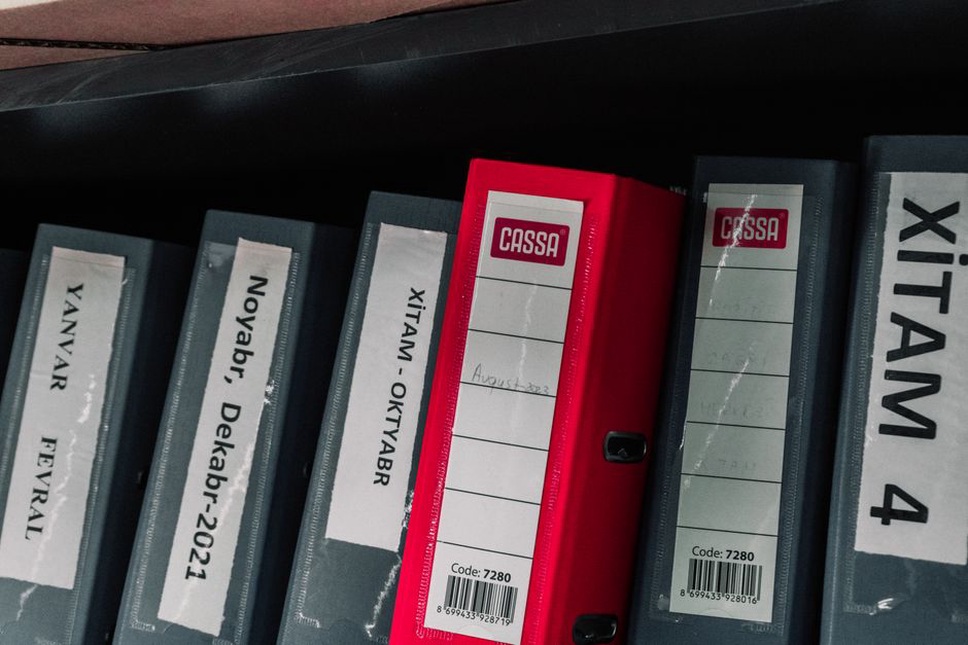
Use labeled folders or sleeves large enough to support the whole sheet without folding it. Store folders upright with enough support to keep them from slumping, or flat if the contents are oversized or fragile. A dry interior cupboard is preferable to a damp basement, a hot attic or a shelf in direct sunlight. Keep adhesive tape off the originals and write labels on the folder tab or a separate slip of paper, not on the item.
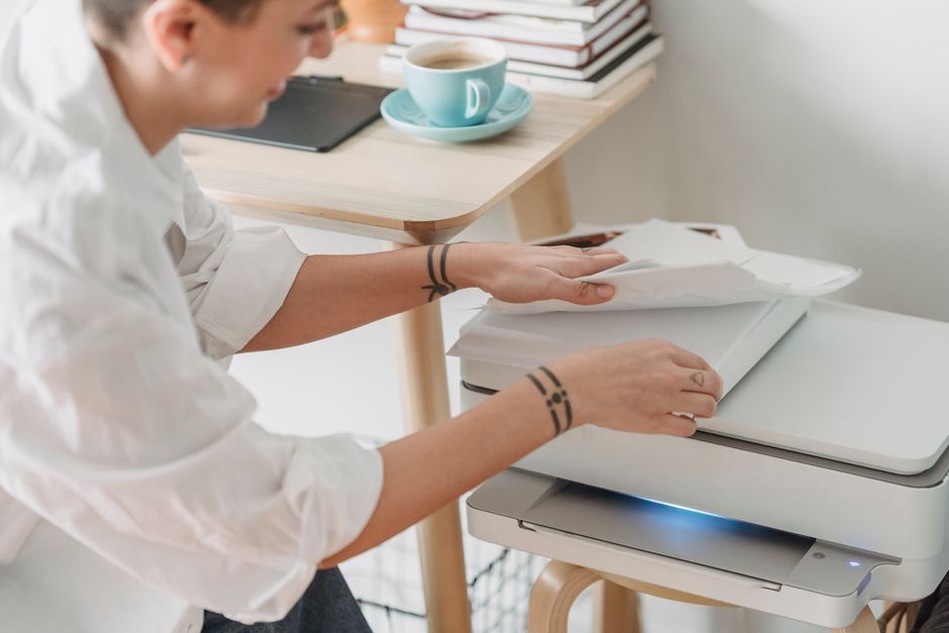
Scan for evidence, not just for a good-looking illustration. The back of a ticket may give the venue address. The inside of an insert may tell you who played on the recording, as distinct from the lineup pictured on the cover. Scan both sides when they matter, and check that small print and handwritten notes are legible. Save the full scan before cropping a copy for an article or transcription. If a fragile fold won’t open easily, don’t force it flat.
Give each item a simple ID, such as LIVE-0042, and put it in the filename and on the folder or sleeve. Keep that ID even if you correct a date or reorganize the archive. In the index, record a location precise enough to find the paper again: “Box 2, Live, folder 6,” for example. Note whether the original is in your collection, on loan or held elsewhere. The scan alone won’t tell you.
Use filenames that say what the document is
You should be able to pick out a file without opening it. Start with the date, if known, followed by the band or event, the document type and the ID. Keep the order consistent and write full dates as year, month and day so they sort chronologically. If all you know is the year, don’t add January 1. Use undated when there’s no firm date, and record any possible date range separately.
undated_venue-flyer_LIVE-0042_front.tif and undated_venue-flyer_LIVE-0042_back.tif are two sides of the same item. A working transcription can use the same ID, with transcript in the filename.
In the index, say what the date refers to. The date on a flyer is usually the advertised show date; it doesn’t tell you when the flyer was printed or confirm that the gig happened that day. Likewise, a label sheet with a projected release date doesn’t prove that a particular pressing went on sale then.
Keep an index that records what you can verify
A spreadsheet is enough for most personal collections. Give each item a row for its ID, description, band or event, date as printed, source, location and notes. If you expect to quote or reproduce material, add a field for access or publication restrictions. The folder tells you where to look; the index tells you why the document is there and what you know about it.
Separate the document’s claim from your finding
Say a printed timetable puts a band on the main stage and a promoter’s notice moves the set to another room. Record what each source says and, if you can establish the sequence, which came later. Leave the actual stage unconfirmed until you find evidence of what happened. A live report written at the time that describes the room may help. A tour itinerary, on its own, is still a record of the plan, not of what happened on every date.
Record origins before they are forgotten
Note whether an insert came from your own copy, a zine scan came from its editor or a notice was saved from a public announcement by the promoter. If someone forwarded a document, distinguish the person who sent it to you from the person who created it.
Keep Finnish titles and place names as printed, including their diacritics. Put English translations and alternate spellings in a separate field so English-speaking readers can find the record without losing the original wording.
Protect originals and control what gets shared
Keep an untouched digital master. Make working copies for cropping, annotations, optical character recognition or redaction. Searchable scans are useful, but recognition software can misread small print, stylized lettering and Finnish names. Check names, catalog numbers and dates against the original before citing them. A transcription helps you find a passage; it doesn’t replace the document.
Back up the files and the index together on separate storage. Keep at least one copy away from the main computer, or use a service that can restore earlier versions. Two devices with the same synchronized folder can both lose a file when it’s deleted on one. Test the backup: retrieve an item and look up its index entry without opening your usual working folder.
Owning a flyer, booklet or letter doesn’t automatically give you permission to publish a full scan. Check permissions before posting documents, and keep private correspondence and sensitive paperwork out of shared folders. If you need to remove an address from a copy you’re authorized to publish, use a redaction method that permanently removes the underlying text or pixels. Check the exported file: a black rectangle can look like a redaction while leaving the text searchable or the cover removable.
Make filing part of the work you already do
File new documents at the end of a research session or while putting away a new record. Assign an ID, note where the item came from, link it to the relevant release or event and put the paper in its folder. If the document leaves a question open, write down a specific next step. “Look for a report confirming the revised venue” gives you more to work with than a pile marked “check dates.”
Next time you compare two editions of a release, pull both inserts and note exactly where each credit appears: on a booklet page, on the tray card or on a separate sheet. If only one edition names a musician, cite that edition for the credit. For the other, write “not listed on this insert.” A missing name isn’t evidence that the musician didn’t play.