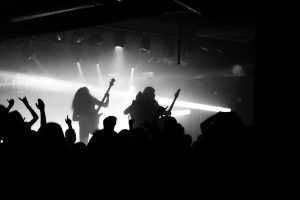
The Essence of Finnish Metal Festivals
Finnish metal festivals are celebrated for their electrifying performances and the strong sense of community they foster. These events are a vital stage for both seasoned and up-and-coming bands to display their musical prowess. While the performances often take center stage, the behind-the-scenes efforts are just as important. The detailed planning, logistical coordination, and community involvement all play a part in the festivals' success.
Planning and Coordination
Putting together a metal festival in Finland is a complex endeavor involving many moving parts. Planning usually kicks off more than a year ahead, with organizers locking down venues, acquiring necessary permits, and signing up bands. Choosing the right venue is crucial, as it affects the festival's size and ease of access. Many Finnish festivals are held in picturesque settings, which adds a special charm that complements the music.
Once the venue is chosen, logistics become the focus. This involves setting up sound and lighting systems, constructing stages, and working with local authorities to meet safety standards. Organizers also need to address the needs of both performers and festival-goers, from backstage amenities to camping arrangements.
Curating Lineups
The lineup is the lifeblood of any festival. Finnish metal festivals often boast a mix of international stars and local acts, showcasing the variety and depth of the metal genre. Creating a lineup means balancing crowd favorites with the chance to introduce lesser-known bands. This strategy not only draws a wide audience but also helps nurture the local music scene.
- International Headliners: Famous bands draw large crowds and put the festival on the global map.
- Local Talents: Including Finnish bands supports the homegrown metal scene and gives new artists a platform.
- Genre Variety: Featuring different metal subgenres offers a rich and engaging experience for festival-goers.
Community Engagement
Community participation is crucial for the success of Finnish metal festivals. Organizers often team up with local businesses and volunteer groups to enhance the festival experience. This collaboration might involve partnerships with local food vendors, craft beer makers, and artisans, offering attendees a taste of Finnish culture beyond the music.
Volunteer programs are also key. Volunteers help with tasks like ticketing, managing crowds, and liaising with artists, which keeps the festival running smoothly. This involvement builds a sense of community pride and ownership, enriching the festival atmosphere.
Challenges and Solutions
Organizing a metal festival comes with its own set of challenges. Weather, especially for outdoor events, can be unpredictable. To counter this, organizers often have backup plans, such as alternative indoor venues or weather-resistant setups. Ensuring the safety and security of attendees is another priority, requiring detailed emergency plans and on-site medical services.
Financial sustainability is another hurdle. Festivals depend on a mix of ticket sales, sponsorships, and merchandise income. Organizers need to juggle these financial aspects while keeping ticket prices reasonable to maintain attendance.
The Impact of Finnish Metal Festivals
Beyond the immediate thrill, Finnish metal festivals leave a lasting mark on both the local and international music scenes. They offer a space for cultural exchange, allowing Finnish bands to reach global audiences and vice versa. This interaction enriches the music world, sparking creativity and innovation.
Festivals also boost the local economy by drawing visitors who support local businesses. They help position Finland as a cultural hotspot, enhancing its status as a center for metal music.

In conclusion, organizing Finnish metal festivals is a complex task that demands careful planning, innovative lineup choices, and strong community connections. These festivals are more than just events; they are cultural milestones that continue to influence and define the global metal scene.