The Underrated Backbone: Bass in Thrash Metal
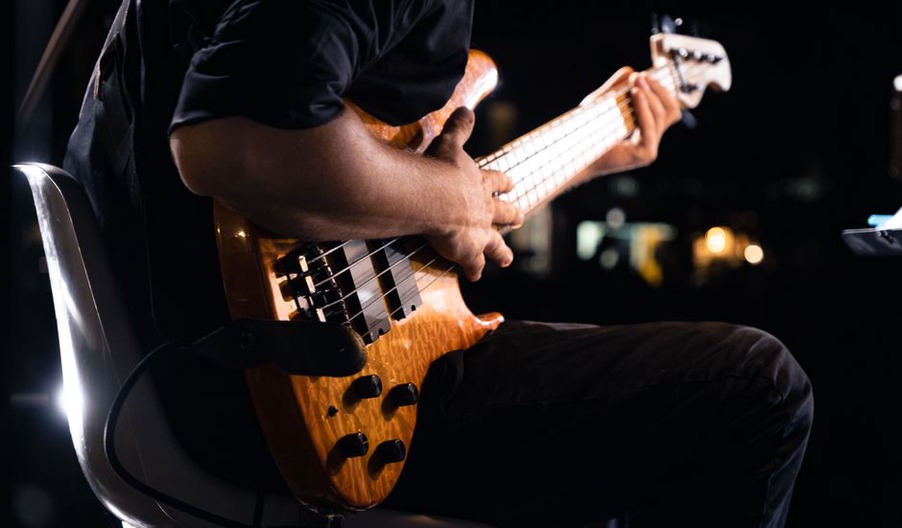
In Finnish thrash metal, the bass guitar plays a crucial yet often understated role. While the genre is celebrated for its rapid guitar riffs and aggressive drumming, the bass provides the foundational depth that enhances the overall sound. Finnish bands have long recognized its importance, using it to add layers that complement the energetic nature of thrash metal.
Depth and Dynamism: Key Contributions
Bassists in Finnish thrash bands employ techniques that bring both depth and energy to their music. Intricate bass lines weave through the rapid-fire guitar riffs, filling the sonic space and adding rhythmic complexity that keeps audiences engaged during live performances.
- Rhythmic Anchor: The bass acts as a bridge between percussion and melody, anchoring the band's rhythm.
- Melodic Interplay: Bassists often engage in melodic exchanges with guitarists, creating a dialogue that enriches the music's texture.
- Tonal Foundation: Providing lower-end frequencies, the bass enriches the band's sound, making it fuller.
For example, BBC's coverage of Finnish music has highlighted how Finnish thrash bands use bass to maintain a cohesive sound amid the high-octane frenzy that characterizes their music.
Influential Finnish Thrash Metal Bassists
Several Finnish bassists have made significant contributions to the thrash metal scene. Their unique styles and technical prowess have defined their bands' sounds and influenced the broader genre. Janne Joutsenniemi, known for his work with Stone, has set high standards for technical skill and creativity.
Joutsenniemi's bass lines are a master class in blending speed with precision, offering a blueprint for aspiring thrash metal musicians. His work shows how bass can be more than just a background instrument, transforming it into a central piece of the musical puzzle.
Live Performances and Festival Appearances
In concerts, the role of the bass becomes even more pronounced. Finnish thrash metal bands, known for their energetic live performances, rely on the bass to drive rhythm and maintain show intensity. The bass's ability to cut through the mix ensures it remains audible, providing the groove that keeps fans moving.
Festivals like Tuska Open Air have showcased numerous Finnish thrash bands, where the power of the bass is palpable. The live setting allows the bass to shine, as the raw energy of the performances highlights its essential role in the band’s sound.
Independent Releases and the Bass's Role
Independent releases are a staple of the Finnish thrash metal scene, with the bass playing a pivotal role. Without major label constraints, bands can experiment with their sound, allowing the bass to take on a more prominent role. This independence has led to innovative bass lines that challenge traditional thrash metal norms.
In our previous article about the independent spirit of Finnish thrash metal in the 2010s, we explored how bands used their creative freedom to enhance their music's depth and complexity, with the bass being a key component of this evolution.
Conclusion: The Bass as a Pillar of Finnish Thrash Metal
The bass in Finnish thrash metal is more than a supporting instrument; it adds richness and depth to the music. As bands continue to evolve and push the genre's boundaries, the bass remains a steadfast pillar, ensuring the music's power and emotional resonance. Next time you listen to a Finnish thrash metal track, pay attention to the bass lines—they might surprise you with their complexity and depth.