
A guest should have somewhere to set down a bag without moving a stack of storage boxes first. In a small room, a clear chair, a little closet space, and an unobstructed path to the bed are more useful than new décor. Those simple changes let someone arrive, unpack, and settle in without asking where everything goes.
Start with the space a guest actually uses
Walk into the room carrying an overnight bag. Where would you put it? Can the door open fully, and can you reach the bed without edging around furniture? If the room doubles as an office or storage area, you needn't hide every trace of its usual purpose. Move work papers out of sight, secure fragile items, and clear the surfaces your visitor will need.
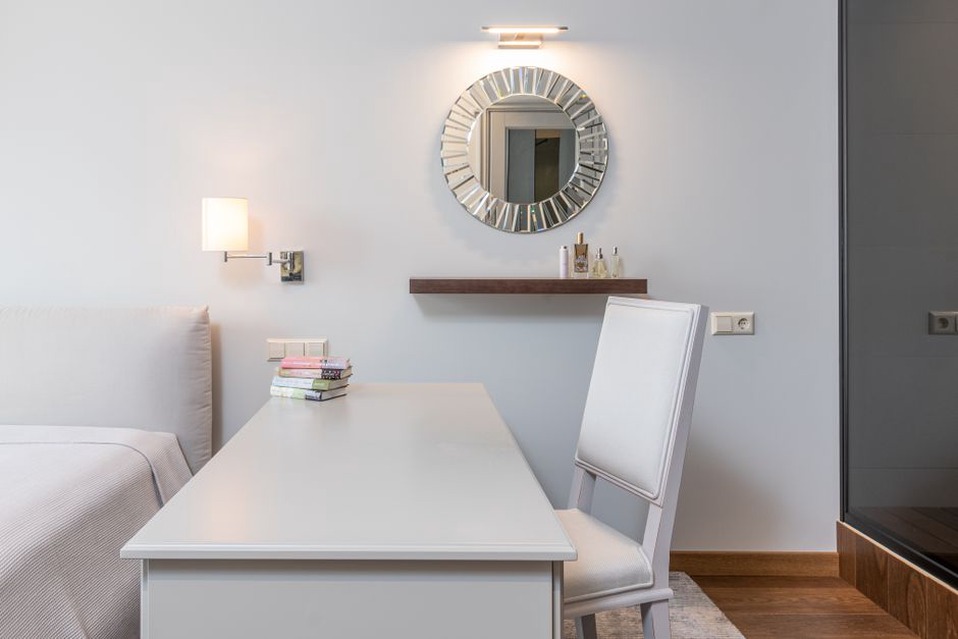
For a short stay, an empty drawer is nice but not essential. A luggage rack, sturdy bench, or cleared chair keeps a suitcase off the floor and makes it easier to open. Add a few spare hangers if there's a closet, and make sure any hooks offered for coats or towels are firmly attached.
Give belongings an obvious place
Leave room on the bedside table for a phone, glasses, and a glass of water. No table? A stable shelf within reach of the bed works too. A small tray can catch keys or earrings, as long as it doesn't take over the whole surface. Put a wastebasket where it's easy to see so guests aren't left carrying a tissue or snack wrapper to the kitchen.
Make the bed easy to live with
Fresh sheets matter more than a pile of cushions. Wash bedding early enough for it to dry completely, and check stored pillows and blankets for musty smells. Strong detergent scents and room sprays can bother visitors; a clean, neutral-smelling room is a better default.
Leave a spare blanket where guests can add or remove it themselves. One pillow per sleeper is a starting point, with an extra nearby for anyone who wants a different height or more support. If they'll sleep on a sofa bed, open it ahead of time and lie on it briefly. You may find a protruding bar, a sloping mattress, or a cushion that needs moving.
Check the mattress protector and bed frame, not just the visible sheets. If the mattress is stained, use a clean fitted protector rather than trying to conceal it under extra layers. Keep the bedding simple enough that a guest can find the end of the duvet and remake the bed.
Put light, power, and temperature within reach
Someone may get up before dawn or read after the rest of the house is asleep. Test the bedside lamp and make sure its switch is easy to find. Then turn off the main light and check the route to the bathroom. A dim night-light can help in an unfamiliar hallway, provided it doesn't shine into the sleeping area.
Show guests an accessible outlet, preferably with a free socket near the bed. If you need an extension cord, check its condition and place it where nobody will trip. Don't run it under a rug or overload it. A charging cable is useful only if it's clean, working, and compatible with the guest's device; the outlet is the more reliable option.
Explain any quirks in the temperature controls. A sticking window, slow radiator, or fan with unfamiliar settings is especially frustrating at bedtime. Where possible, let guests adjust the warmth themselves, and keep heaters away from bedding and curtains. Check that the curtains close fully and that a streetlight doesn't fall across the pillow.

Make the bathroom arrangement unambiguous
Set out a clean bath towel and hand towel for each guest, or make it clear which towels are theirs in a shared bathroom. Give damp towels a hook or rail where they can dry. Leave toilet paper within easy reach and a spare roll somewhere obvious. Before guests arrive, check that the door latches and the shower controls work as expected.
A few basics can cover common packing omissions:
- An unopened toothbrush and a small tube of toothpaste
- Unscented soap and a simple shampoo
- Tissues and a lined bin
- A clean drinking glass or reusable cup
There's no need to arrange them like hotel amenities. Put them together in a clean, visible spot and let guests know they can use them. Keep personal medication out of the guest area, and don't assume everyone can use scented products.
Offer useful information without a house tour
A short note saves a guest from waking someone to ask for the Wi-Fi password. Include the network name and password, where to find fresh towels, and any essential front-door instructions. If the household has an alarm, explain how to leave and return before the guest first goes out. Mention whether pets may enter the room or whether the bedroom door needs to stay closed.
Keep the note easy to scan. Say comfort-related house rules, such as quiet hours or whether shoes are worn indoors, aloud as well. If a guest will be home alone, show them how to lock the door and which key to use. Don't leave a spare key outside or write an alarm code where others might see it.
Check access, not just appearance
Ask ahead about anything that could affect the setup: difficulty with stairs, fragrance sensitivity, space for a mobility aid, or a need for a firm sleeping surface. Don't guess based on someone's age or appearance. A clear route to the bathroom, reachable light switches, and room to turn beside the bed may matter more than an accessory. If you can't fix a limitation in the available room, tell your guest before the visit so they can plan.
Do a final five-minute check
Open the window briefly if conditions allow, then close and secure it. Wipe any dust from the bedside surface, test the lamp, and make sure the towel is dry. Stand in the doorway with a bag in mind: check that there's a place to set it down and a clear route to the bed and bathroom. Just before your guest arrives, put a clean glass by the bed, leaving space beside it for a phone.