
A Finnish thrash record can be genuinely scarce without becoming mythical. The distinction is straightforward: a limited demo, self-released CD, or small-run 7-inch is an underground document when its details can be traced through band credits, a contemporary review, a gig flyer, or multiple surviving copies. It becomes a “lost classic” only after listeners have tested the music—not because a listing is expensive or a download is difficult to find.
That distinction matters for the Finnish scene of the late 2000s through the mid-2010s. Thrash existed beside Finland’s much larger traditions in death metal, black metal, doom, and melodic metal. Even strong local bands could release a compact recording, play a run of club dates, and remain largely unknown outside the country. The most rewarding finds were rarely hidden on purpose. They circulated through rehearsal rooms, promoters, labels, distros, and a small but committed audience.
What makes an underground thrash gem?
“Gem” is not a genre label, nor does it imply technical perfection. It is a listening term for a release with a clear identity, enough surviving evidence to place it in context, and qualities that remain compelling after the novelty of obscurity has faded. In Finnish thrash, that might be a tightly played demo with unusually sharp arrangements, a full-length balancing old-school aggression with clear production, or a live recording that catches a local band at its most direct.
There is no single Finnish thrash sound. Some groups favored the muscular, mid-paced attack associated with 1980s European thrash. Others drew on crossover’s speed, skate-punk energy, and gang vocals, while some used cleaner guitar separation and more melodic lead work. The better lesser-known releases make those choices with conviction. A record does not need to follow Bay Area or Teutonic models closely to matter; its riffs, transitions, rhythm playing, and vocal phrasing simply need to work as a whole.
That variety belongs to a longer national continuum. Stone’s documented history offers useful background on one of Finland’s foundational thrash names, but the later underground should not be reduced to an 1980s reenactment. Musicians active between roughly 2008 and the middle of the 2010s had older records, digital communication, affordable home recording, and a broader international revival audience at hand. Their music could be reverent without sounding historically frozen.
Start with release trails, not inflated reputations
The most reliable way to find overlooked material is to follow a release trail. Start with a band whose style you already enjoy, then trace its earliest available recordings, associated acts, compilation appearances, local support slots, and label connections. A demo often tells a different story from a later album: rougher tones may sit alongside faster tempos, different personnel, or songs later rerecorded with changed arrangements.
Evidence that a release is worth investigating
- Consistent credits: Band members, recording location, mastering information, artwork, and catalogue numbering match across sleeves, posts, reviews, or interviews.
- A discernible sequence: A demo leads to an EP or album, or the same songs return in a more finished form. That progression makes artistic development audible.
- Local context: The group appears on a credible bill with related underground metal or hardcore acts rather than existing only as an isolated online profile.
- Physical specificity: A disc, cassette, or vinyl release has identifiable artwork, inserts, matrix information, or a stated pressing format. Scarcity alone does not establish significance, but tangible details make research easier.
- Musical durability: Repeated listens reveal choices beyond the opening riff: shifts in momentum, bass-guitar interaction, memorable choruses, or a lead break that serves the song.
Be cautious with claims about pressing totals, unreleased albums, or alleged line-up histories that cannot be verified. Scene memory matters, but it is not automatically a source. When accounts conflict, retain the uncertainty: “reported as a small run” is more accurate than assigning a precise number without evidence. For collectors, that restraint protects historical accuracy and a collection’s provenance.
Listen for the details that survive rough production
Independent budgets shaped many underground recordings, but a raw mix does not mean a lack of craft. Thrash relies on articulation. Even where guitars are abrasive or drums sit high in the mix, a good recording lets the listener follow palm-muted figures, hear whether the drummer locks into riff changes, and recognize how the bass supports or pushes against the guitar line.
Several musical tests are useful when assessing a little-known Finnish release:
- Riff economy: Does the main figure establish tension quickly, and does the band know when to return to it?
- Tempo control: Fast playing alone is not enough. Strong bands make slower sections feel deliberate, using them to reset the song or sharpen a later acceleration.
- Transition writing: Does a bridge, solo, or breakdown grow naturally from the preceding riff, or does it interrupt the song?
- Vocal placement: Vocals can ride above the riff, strike with its accents, or create contrast. A harsh delivery works best when its rhythm has purpose.
- Album pacing: On a full-length, shifts in tempo and texture matter. A short instrumental, a more melodic lead passage, or a compact closing track can keep uniform speed from turning into a blur.
These criteria help separate archival interest from personal taste. One listener may dislike a thin guitar sound while recognizing disciplined writing. Another may value a frantic demo precisely because its rough performance preserves the urgency of a particular rehearsal-era line-up. Both responses are valid when the recording is described accurately.
Live bills reveal the scene around the record
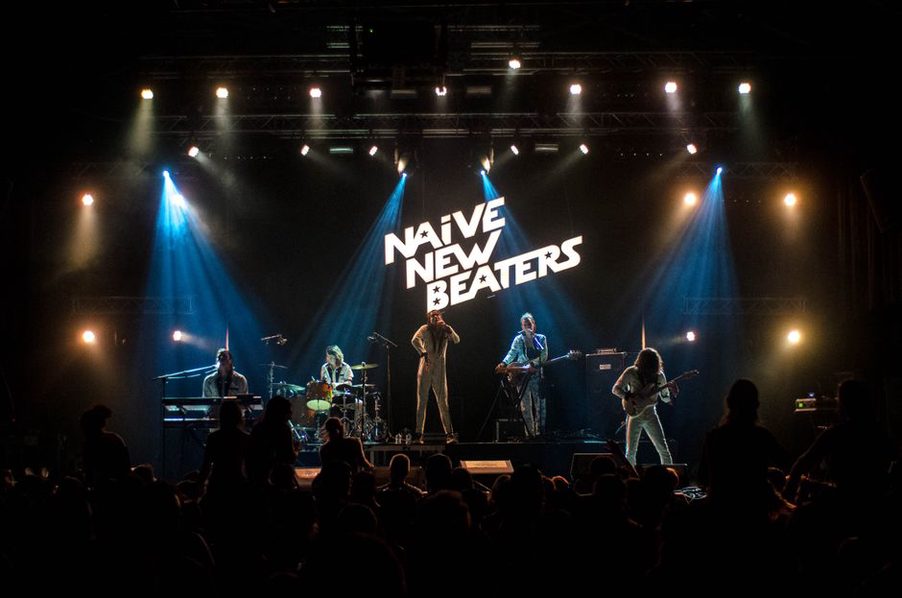
Recordings take on more meaning when considered alongside the spaces in which they circulated. Finnish thrash bands in the late 2000s and early 2010s often shared bills with speed metal, traditional heavy metal, punk, hardcore, and other extreme-metal acts. That overlap shaped the audience as much as the music: a single show could draw collectors seeking physical releases, local musicians assessing new bands, and regular club-goers attracted by a mixed underground bill.
Festival appearances need careful reading. A slot at a regional metal event or a broader Finnish festival could bring useful exposure, but it did not automatically make a local act an international touring concern. Conversely, a band playing mainly clubs may have had a much closer relationship with its immediate scene. Attendance records, promoter archives, dated posters, venue calendars, and contemporary reviews are more reliable than retrospective assumptions.
European touring also came in degrees. Short runs through neighboring countries, one-off foreign dates, and support appearances could strengthen cross-border contacts without amounting to a sustained tour cycle. This helps explain how small releases traveled: a CD at a merch table, a tape exchanged with another band, or a distro order could reach listeners long before streaming services made catalogues easier to sample.
The relationship between performance and recording is explored from another angle in The Unique Appeal of Finnish Thrash Metal, which examines stage presence and the reasons live settings mattered to the style. For researchers and collectors, the narrower point is simple: a dated bill can show that a release belonged to an active network, even if its original distribution was modest.
Formats, editions, and collector discipline
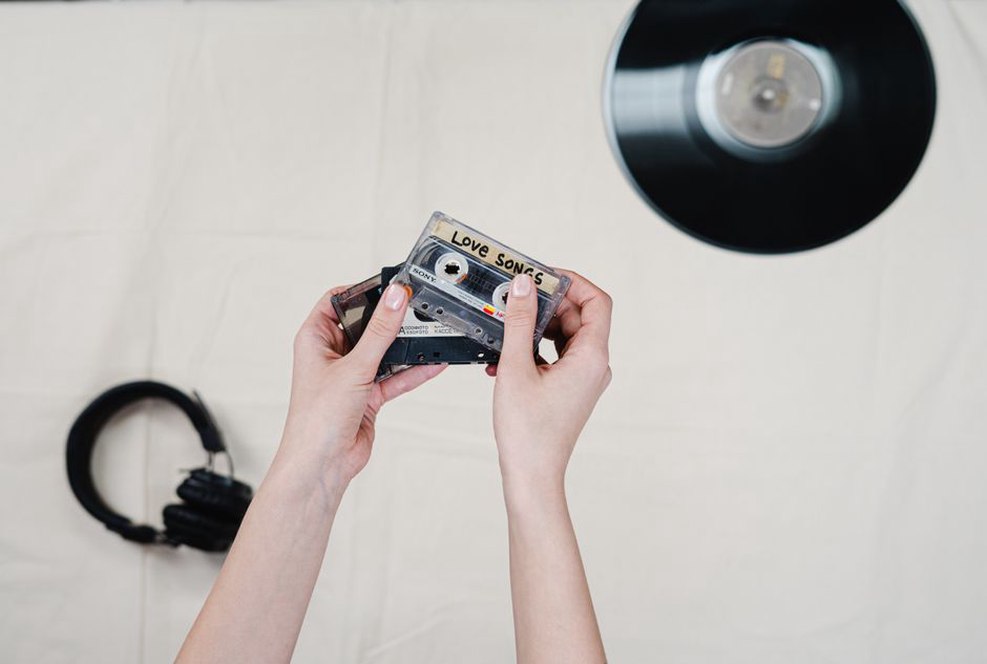
Physical media is especially useful for this period because it often preserves information missing from platform metadata. A cassette J-card may name a rehearsal room. A CD booklet can list guest vocals, artwork credits, or a thank-you section connecting several local acts. A vinyl insert may establish that an edition came after the first CD issue. None of this proves musical quality, but it makes a release easier to place historically.
| Format | What it can reveal | What to verify |
|---|---|---|
| Demo cassette | Early repertoire, DIY artwork, rehearsal-era identity | Track order, duplicated versus professionally manufactured copies, date evidence |
| CD or CD-R | Small-label or band-funded release details, booklet credits | Catalogue number, disc face, matrix data, complete inserts |
| 7-inch or LP | Artwork choices, mastering differences, possible alternate mixes | Runout inscriptions, edition indicators, condition and sleeve completeness |
| Digital release | Access to later reissues or archival uploads | Whether it reproduces the original track list, credits, and release date accurately |
Condition and authenticity require patience. Compare covers and labels with documented examples where possible, distinguish later represses from original issues, and note where and when each item was acquired. Unofficial uploads should not be treated as archival replacements for legitimate editions. Band-authorized digital pages, active labels, second-hand record shops, and direct sales from artists remain the soundest options when a release is available.
A practical discovery method
Research is easier when listening is paired with modest record-keeping. Use a private spreadsheet or notebook to record the artist, title, format, year stated on the item, personnel, label or catalogue code, source of information, and one or two observations about the music. The point is not to rank every discovery. It is to retain the connections that make a small scene understandable.
Build outward from one verified item
Take a confirmed EP or demo and inspect its credits. If a drummer later joined another local band, follow that discography carefully. If a thank-you list names a promoter or label, check other releases tied to that name. If a flyer places the band alongside a crossover act, listen to the other act rather than assuming the two shared the same style. This method yields more than searching generic phrases such as “rare Finnish thrash.”
Keep the categories clear. A revival-era band may be connected to Finland’s earlier thrash tradition without sounding the same. A short European run is not necessarily a major tour, and a sold-out item is not automatically an essential record. The strongest underground discoveries rest on ordinary evidence—credits, songs, dates, bills, and physical objects—that lets a listener hear a release as part of a real musical community. When you find a cassette or CD, photograph both sides of the artwork and transcribe its credits before filing it away; those small details are often what later research depends on.