
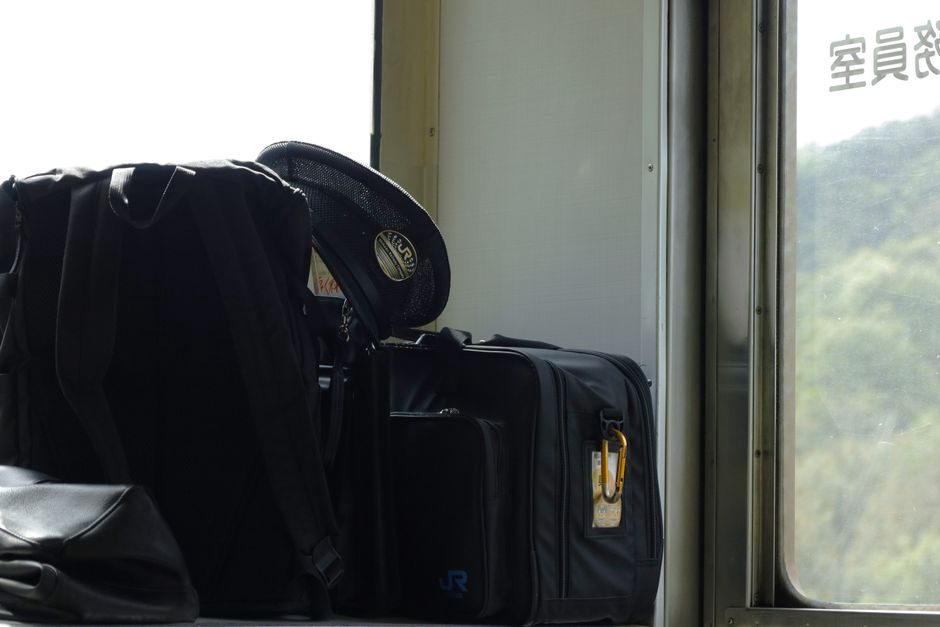
Keep your ticket, identification and medication in a small bag that stays with you, not in a suitcase on the luggage rack. On a long train trip, the useful divide is between what you’ll need at your seat and what can stay stowed until arrival. You’ll appreciate it on a crowded train, during a connection, or when you need a charger without opening your suitcase.
Check the journey before choosing what to carry
Look at the timetable and the operator’s current baggage rules first. A daytime trip with several connections calls for different packing than a night in a sleeper. Check how long you’ll be aboard, whether food and drinking water are sold, where luggage can go, and whether you’ll cross a border. Don’t count on power outlets, Wi-Fi or catering working for the whole trip.
Check the weather at both ends, too. A warm carriage won’t help much when you arrive on a cold platform at night. If you’ll face stairs, tight transfers or a walk between stations, take a bag you can lift and move yourself. Measure bulky luggage against the operator’s limits before leaving; even an allowed bag can be awkward in a narrow aisle or small overhead rack.
Use two layers of packing
Put what you expect to use onboard in a daypack or compact tote. Clothes for later, spare shoes and other things you won’t need until arrival can go in your main bag. If you have a short connection, one manageable bag may be easier to handle than a suitcase and several loose shopping bags.
Keep these within reach
- Ticket or booking details, identification and any required travel documents
- Phone, charging cable, power bank and headphones
- Medication, glasses and other essentials you can’t do without
- Water, food and a few napkins or tissues
- A light layer for a cool or air-conditioned carriage
- Wallet, keys and anything difficult to replace
Give the smallest essentials a pouch or designated pocket so they don’t disappear to the bottom of the bag. Take valuables with you to the restroom or café car. A luggage label with your name and a way to contact you can help you spot your suitcase among similar ones; leave off personal details you don’t need to display.
Documents, payments and access
Save tickets so you can open them without a signal. Check whether the operator requires its app, a printed ticket or identification matching the booking. A screenshot is handy only if the operator accepts it in place of a live ticket. For an international trip, check passport, visa and entry requirements through official channels well before departure.
Bring a payment method that works at your destination, plus a modest backup if appropriate. The onboard café may be cashless even if a station kiosk isn’t. Write down a crucial connection or address in case your phone dies. Keep enough prescription medicine for the trip and reasonable delays, in its original packaging when practical, and check the rules before carrying it across a border.
Food and water without a messy seat
Pack for the time you’ll actually spend traveling and the food your trains offer. A meal service may cover only part of your route, and a station stop may be too short for shopping. A refillable bottle helps where safe drinking water is available; fill it before boarding if you’re unsure about refill points.
Choose food you can eat cold, that will keep for as long as it’s unrefrigerated and needs little preparation. Sandwiches, sturdy fruit, crackers and shelf-stable snacks are straightforward choices. Perishables need suitable cooling, not hours in a warm bag. Don’t assume train staff can heat or refrigerate your food.
Think about the people sharing the carriage. Strong smells, crumbs and elaborate meals are harder to manage in close quarters. Bring any utensil you need, perhaps a spoon, and a small bag for wrappers until you find a bin. Pack liquids securely so a tipped bottle doesn’t soak your documents or clothes.
Comfort for sitting and sleeping
Carriage temperatures can change over a day, so wear comfortable clothes and take a layer you can remove. Socks may make a long stretch in your seat more pleasant, but keep your shoes handy for walking through the train and getting off promptly.
On an overnight ride, an eye mask and earplugs can help with lights and ordinary travel noise. A neck pillow is worth carrying only if it works for your seat or sleeping position. Check what bedding a sleeper provides before packing a blanket. If you’re sleeping in a seat, keep your gear out of the aisle and your neighbor’s space.
Long periods of sitting can leave you stiff. Clothes you can move in and shoes you can walk in will often do more for you than another comfort gadget. Get up and walk along the train when it’s safe, without blocking doors or other passengers. If prolonged sitting raises a medical concern for you, follow advice specific to your circumstances rather than relying on packing alone.
Power, entertainment and quiet hours
Charge devices before you board, and pack the right cable and any plug adapter your route requires. A power bank is a useful fallback if a socket is missing, occupied or faulty. Check the operator’s rules for batteries and other electronics, especially on international services. Keep cords out of walkways and unplug them before leaving your seat.
Download maps, tickets, music and reading ahead of time if coverage may be patchy. Headphones spare your fellow passengers the soundtrack, while downloaded files save mobile data and battery. Think about whether you’ll really use a laptop onboard: carrying it, its charger and the responsibility of watching it may not be worthwhile if you’d rather read or rest.
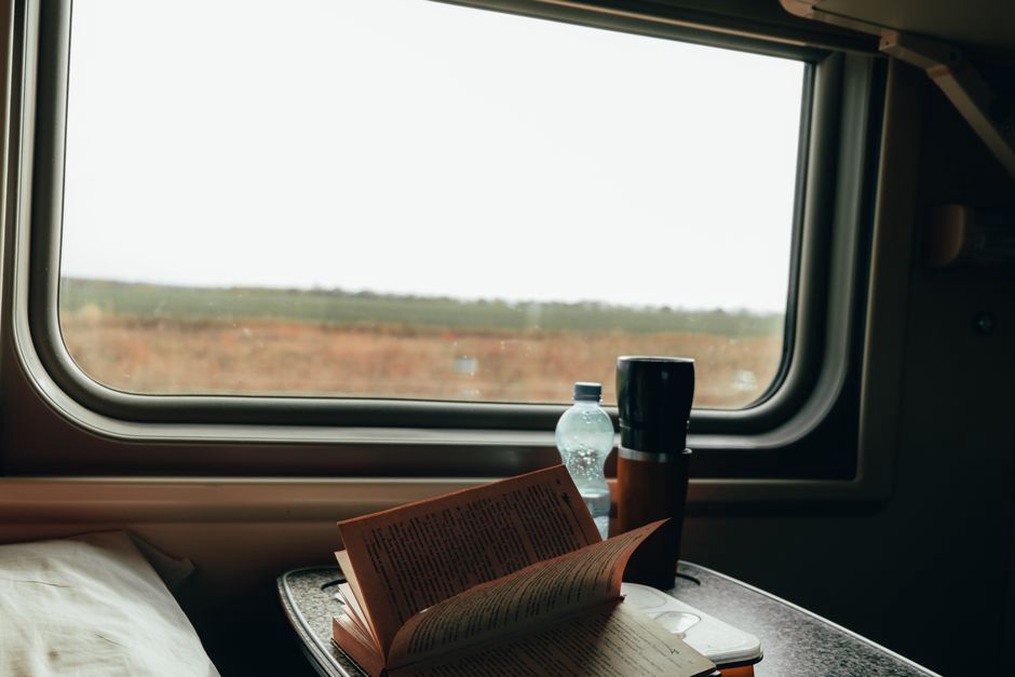
A paper book or small notebook needs no power and is easy to pick up between stops. There’s no need to load up on entertainment; one book and a few downloads are usually easier to carry than three heavy books.
Hygiene and a compact change of clothes
A small wash kit makes a long ride more comfortable: toothbrush, toothpaste, hand sanitizer, tissues and any personal care products you’ll need before arrival. Use containers that close securely and put anything likely to leak in a separate pouch. Train toilets vary, so your own tissues are sensible; an entire bathroom cabinet isn’t.
For an overnight service or a particularly long itinerary, clean underwear and socks take little space and give you a fresh start. Add a spare top if you’ll arrive before you can reach your main luggage or accommodation. If you have a sleeper berth, pack sleepwear you’d be comfortable wearing in shared facilities. Keep worn clothes in a small bag away from clean ones.
Adjust the list for companions and special equipment
Children may need regular snacks, a change of clothes and quiet activities without pieces that scatter across the floor. Keep urgent supplies in an adult’s accessible bag, not beneath several suitcases. For a baby, allow nappies and feeding supplies for the scheduled trip plus a delay, and confirm what changing facilities and water access the train has.
If you’re carrying an instrument, fragile recording equipment or archive materials, check the operator’s size and handling rules before departure. Use protective cases; keep irreplaceable material in carry-on luggage you can watch, within the permitted allowance. Don’t leave a case in a doorway or put it on another passenger’s seat. For mobility aids or other essential equipment, contact the operator ahead of time if you need to confirm assistance, space or boarding arrangements.
Make the final check about access, not quantity
Once packed, check that you can lift your bag, close it easily and find your ticket without unpacking. Put what you’ll need in the first hour at the top of your daypack. Leave the space at your feet and around your seat usable, and stow larger bags only where permitted.
Before heading to the station, charge your phone and power bank and fill your water bottle. Then check separately for your ticket, identification, medication and house keys. You can buy a forgotten snack on the way; a missing travel document may stop you before you board.