
Put incoming mail in a tray, not on the nearest clear surface. A bill left beside the keys can vanish under a grocery receipt; in a tray, everyone knows where to find it. The tray is only a landing spot, though. You also need a brief sorting routine, a place for paperwork awaiting action, and storage for records worth keeping.
Set up three places for paper
Start with three locations: an incoming tray where you usually open mail, a small folder for papers that need a decision, payment, signature, or reply, and a filing box or drawer for completed records. If more than one person handles household paperwork, agree on where each of these lives.
Keep a recycling bin and a shredder—or a secure bag for later shredding—nearby. Otherwise, unwanted paper tends to form another pile. Matching containers aren't necessary; a sturdy folder and a few labeled dividers will do.
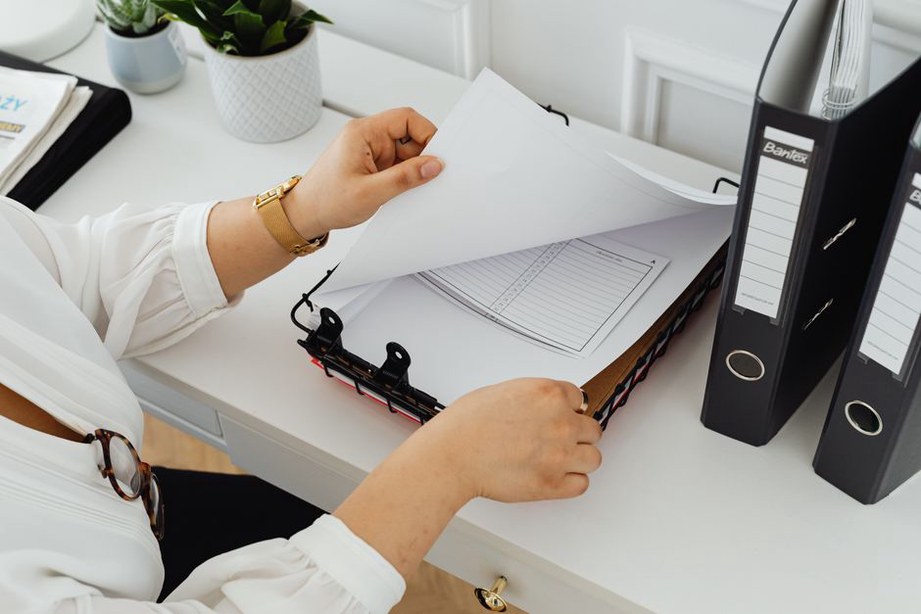
Keep the categories broad
Use labels that reflect the papers you actually receive. For example:
- Home: lease or mortgage documents, property records, and important repair paperwork.
- Money and tax: tax documents, loan agreements, and statements you have a reason to retain.
- Health and insurance: policies, claims, and significant medical records.
- People and pets: identity-related records, school paperwork, and veterinary documents.
- Purchases and warranties: receipts and instructions for items you still own.
A label isn't a reason to keep every paper that fits it. Add a divider when a category gets hard to search, and use names anyone in the household would understand. “Car—insurance and service” is more helpful than a private filing code.
Sort by the next action, not by paper type
Empty the incoming tray on a regular day each week. Give every item one destination: recycle, shred, act, or file. Open envelopes and remove duplicate inserts before filing. If something needs attention, write its due date on the paper or add it to a calendar, then put the paper in the action folder. A deadline hidden in a folder is easy to miss.
Divide that folder into to do and waiting, using two pockets or clips. A signed form awaiting confirmation goes in “waiting,” with a note of when you sent it. When the matter is finished, file the final record if it has lasting value and securely discard routine duplicates.
Get rid of obvious junk mail straight away, but don't let sorting turn into an obligation to finish every task on the spot. It's enough to give each paper a destination. Set aside a separate time for longer jobs, such as disputing a charge.
Decide what deserves storage
Keep originals when the original document matters: birth certificates, passports, signed agreements, and other hard-to-replace records. Store sensitive originals away from casual access and with reasonable protection against water or fire. A lockable, water-resistant container may be suitable. A scan can provide a useful reference, but it won't necessarily replace the original.
How long to keep a record depends on where you live and what the document is for. Check the rules that apply to your taxes, benefits, insurance, and property before throwing out supporting paperwork. Keep records tied to an unresolved claim, dispute, or warranty until the issue is settled, even if you'd normally discard that kind of statement sooner. A one-page note in the file box can hold the retention rules you've checked.
For an everyday receipt, ask whether it supports a return, warranty, reimbursement, tax claim, or record of a major asset. If not, it may not need filing. Manuals are often available digitally, but keep paper instructions you use for safety or maintenance, or for an uncommon product.
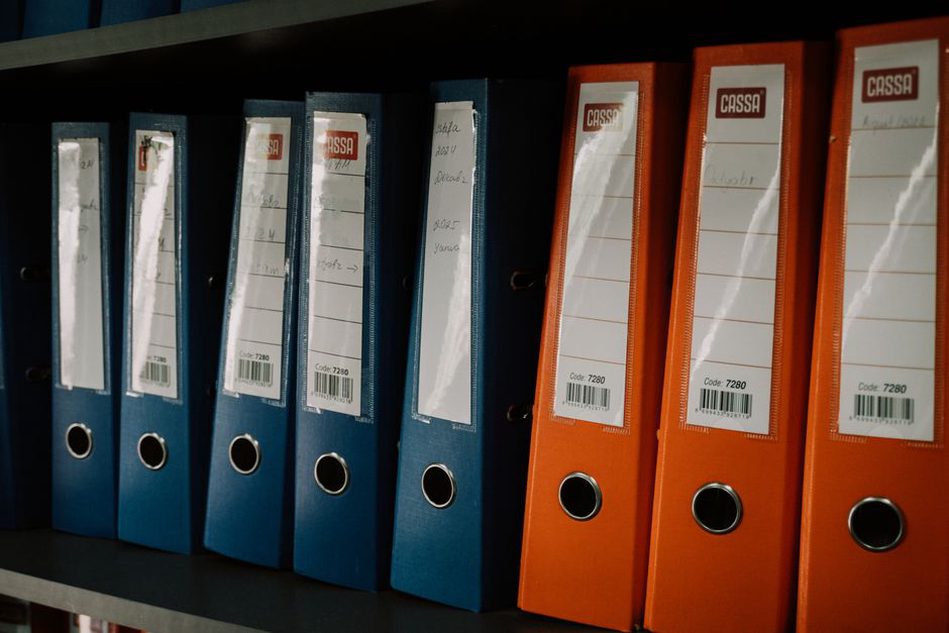
Make digital records follow the same logic
A digital bill is no easier to find if it's buried in email, downloads, or a phone camera roll. Make a main household folder with the same broad categories as your paper files. Give saved documents a date and a useful description—“2025-03 home insurance renewal,” for instance—so the name makes sense even outside its folder. Stick to one date format to keep files in order.
Scan a document when the digital copy has a purpose: sharing it with someone who needs it, keeping an accessible reference, or clearing paper you don't have to retain. Before discarding an eligible original, check that every scanned page is complete and legible. Protect sensitive files with device security and a reliable backup; a copy kept only on one phone can be lost with it. Avoid emailing identity documents unless necessary, and remove temporary copies from shared devices.
A short index helps when records live in different places. It might say “Passport originals: locked box; home insurance policy: digital insurance folder.” List locations, not passwords or full identification numbers.
Keep the routine small enough to repeat
A ten-minute weekly check and a longer review every few months are often easier to maintain than a marathon clear-out. Each week, empty the tray, look through the action folder, and check upcoming due dates. In the longer review, clear out expired instructions, duplicate statements, and records for things you no longer own, while following any applicable retention rules.
If two people share the work, decide who watches each type of paperwork and how you'll mark a task as finished. A dated note—“paid 12 April” or “form submitted 12 April”—can prevent duplicate work. Keep labels clear enough that someone else can find the insurance policy. If you're also deciding which documents need to be available in an emergency, a household emergency plan everyone can use can identify the records you may need quickly.
Already facing a stack? Start with current mail and time-sensitive notices. Put older papers in a separate box marked “to review,” then work through small batches using the same four decisions: recycle, shred, act, or file. Write a review date on the box so it doesn't quietly become permanent storage.