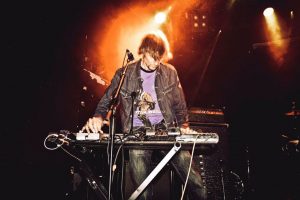
Finland's thrash metal scene is a testament to the enduring power of the DIY ethic, a philosophy that has fueled its authenticity and energy. From the late 2000s through the mid-2010s, Finnish bands embraced this approach, creating a distinctive sound and community that continues to thrive.
The Core of DIY in Finnish Thrash Metal
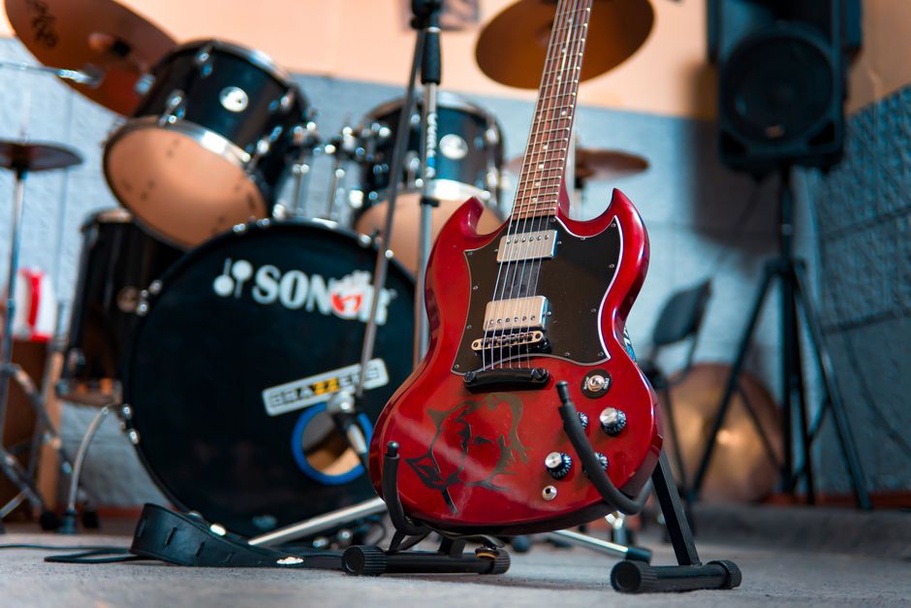
At the heart of Finnish thrash metal is a commitment to self-reliance and independence. Bands often bypassed traditional recording studios, opting instead for home studios or local rehearsal spaces. This choice allowed them to maintain creative control and produce a raw, unpolished sound that became synonymous with the genre.
Recording and Production
Self-production was a common path for many Finnish thrash metal bands. By handling their own recording processes, they not only cut costs but also stayed true to their artistic vision. Musicians often delved into the technical aspects of recording, viewing it as a rite of passage. This hands-on method encouraged experimentation, leading to innovative sounds.
- Home studios, equipped with only the essentials, became standard.
- Bands frequently collaborated, sharing gear and expertise.
- The focus was on capturing the energy of live performances over studio perfection.
Independent Releases and Distribution
Releasing music independently was another key aspect of the DIY ethos. Many bands established their own labels or distributed music at live shows and online platforms. This direct approach fostered a close-knit community, where fans felt a stronger connection to the artists.
Physical media like vinyl and cassettes held a special appeal for collectors, offering a tactile experience. This preference was both a nod to the genre's roots and a counter to the ephemeral nature of digital downloads.
Concerts and Festivals
Live performances were vital for Finnish thrash metal bands. With limited resources, many organized their own tours and local shows, ensuring their music reached a wide audience. This grassroots strategy was crucial for community building.
Local festivals provided a stage for talent, enabling bands to network and collaborate. Often organized by the musicians themselves, these events exemplified the scene's collaborative spirit. For more on the evolution of these events, see The Finnish Thrash Metal Scene: A Decade of Raw Energy and Innovation.
The Sound and Aesthetic
The DIY ethic influenced not just the production but also the sound and aesthetic of Finnish thrash metal. The music is characterized by aggressive guitar riffs, rapid drumming, and raw vocals. Album art and stage visuals, often created by band members or local artists, added a personal touch.
Finnish bands drew on classic thrash influences from the 1980s, infusing them with their own cultural elements. This blend of traditional and local sounds gave Finnish thrash metal its unique identity. The role of guitarists in shaping this sound is further explored in The Rise of Finnish Thrash Metal Guitarists.
Community and Legacy
The DIY ethic has left a lasting legacy on the Finnish thrash metal scene. Musicians, fans, and local businesses continue to support one another, creating a sustainable environment. This interconnected network promotes growth and innovation, with new bands emerging and established ones continuing to flourish.
The enduring spirit of DIY in Finnish thrash metal showcases the power of self-determination and community support. It underscores the importance of staying true to one’s artistic vision while embracing the collaborative nature of this energetic music scene.