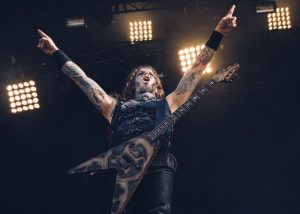
Finnish thrash metal loyalty wasn't built by a marketing department or a single hit record. It grew out of a consistent, physical relationship between bands and listeners, shaped by the geography and social fabric of Finland's small cities. In Tampere, Kuopio, and Helsinki, the gap between stage and floor was often close to nothing. At a place like Dog's Home in Tampere, you might end up standing next to the guitarist you'd just watched play—not because there was a scheduled meet-and-greet, but because the backstage area was just a corner near the toilets. That proximity created a social contract. The audience wasn't a passive consumer base. It was an extension of the scene: friends, fanzine editors, fellow musicians, all holding the bands to a standard of authenticity.
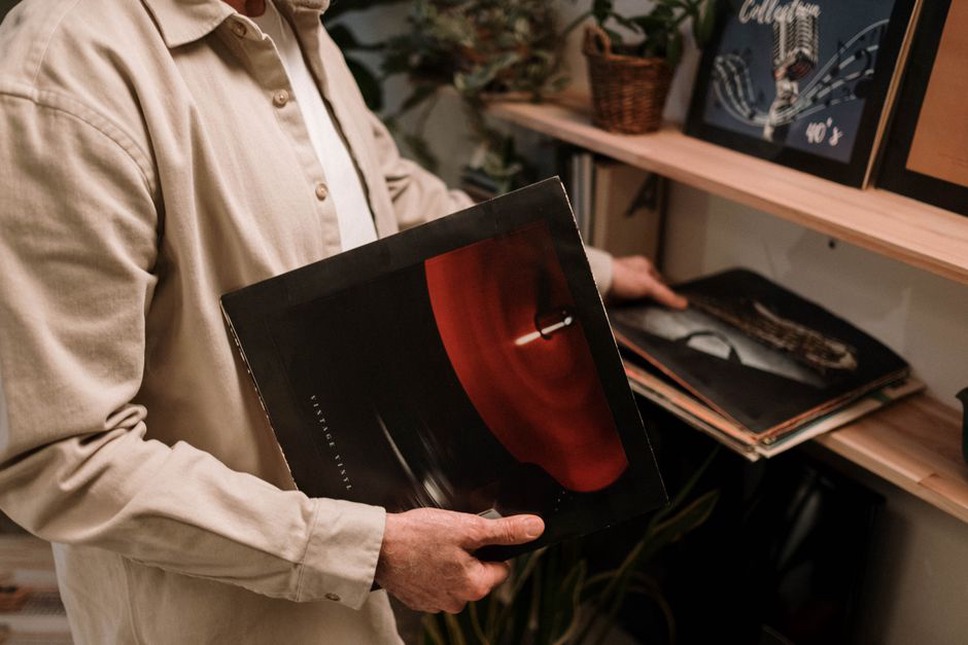
Release practices reinforced the same dynamic. Labels like Violent Journey Records and Inverse Records, along with a steady stream of self-released efforts, treated the physical object as art. A vinyl debut from Lost Society or Forced Kill might come with hand-numbered sleeves, lyric sheets full of detailed illustrations, and credits that read like a map of the local underground studio circuit. The collector wasn't an afterthought. When a run of 300 cassettes sold out at a release show, it wasn't just scarcity—it was a direct transaction that skipped the impersonal machinery of larger distributors. Every purchase carried the weight of a personal endorsement. Fans became archivists, cataloging demo tapes and tracking how a band's sound shifted across self-financed EPs.
The music itself deepened the bond. Finnish thrash of the late 2000s and early 2010s didn't try to reinvent the genre. Instead, it held a detailed conversation with the classic Bay Area and Teutonic templates, executed with a precision that rewarded close listening. Axegressor channeled the relentless riff-salad attack of early Slayer and Dark Angel. Ranger pulled from high-velocity speed metal, complete with piercing falsetto vocals and denim-and-bullet-belt imagery. The audience caught these reference points immediately. Appreciating a Deathchain record meant understanding the lineage from Bonded by Blood to Pleasure to Kill, and recognizing how a Finnish band was adding its own chapter. That shared literacy turned listening into an active, communal experience. In record shops and online forums, people dissected guitar tones, comparing the dry, mid-scooped crunch of a Jiri Mustajärvi production to the wetter, reverb-soaked drum sounds from a different studio session.
Concerts were where the loyalty got forged. Finnish thrash shows were physically intense. The expectation was kinetic participation, not passive observation. A circle pit at a Mokoma or Stam1na show—two bands that folded thrash into a broader metal palette but shared the same circuit—ran on unspoken etiquette. It was aggressive, but protective. If someone fell, they got pulled up. The shared sweat and bruises attached themselves to the music as visceral memory. Smaller club gigs, often organized by collectives like Helsinki Thrash Patrol, turned into rituals. The same faces appeared at the front of the stage, tour after tour, a mobile community moving between cities. A band from Lappeenranta playing in Jyväskylä didn't face a room of strangers. They saw familiar patches, familiar jackets, and heard familiar voices shouting back lyrics to demo tracks that had never been officially released.
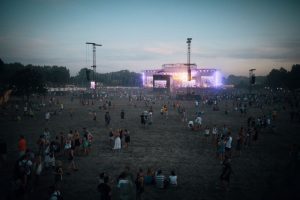
Festivals served as annual gathering points for this dispersed tribe. Jalometalli in Oulu, before it ended, and Steelfest Open Air in Hyvinkää became essential destinations—not just for the headliners, but for the curated undercard of domestic thrash acts. The programming reflected a deep understanding of the subculture. A 3:00 PM slot on a secondary stage wasn't a demotion. It was a showcase for a band that had just driven ten hours in a van, and the audience that gathered early was the most dedicated segment of the fanbase. These festival sets often became testing grounds for new material. A band could gauge a new riff's effectiveness by watching the pit react, getting immediate, unfiltered feedback no online stream could replicate. The informal marketplace at these festivals, where labels and distros sold rare pressings, solidified the sense of an active, self-sustaining economy.
European touring in the early 2010s extended this community-building across borders. When Lost Society opened for a larger international act in Germany or the Czech Republic, they brought a distinctively Finnish approach to the road. The merchandise table wasn't just a point of sale. It was a consulate. Band members manned it themselves, talking about setlists, gear, and upcoming tour dates. For a German fan, meeting the band directly created an investment that went beyond the music. Buying a CD meant supporting people you'd actually spoken to. This translated into a network of European contacts who later helped book shows in smaller cities, hosted bands overnight, and translated lyrics. The loyalty ran both ways. Finnish bands honored these commitments, returning to the same small clubs in Poland or the Netherlands tour after tour, building a following one handshake at a time.
The visual aesthetic anchored this identity. Album covers, often created by artists who were themselves part of the metal community, drew on a specific visual vocabulary. The work of illustrators for bands like Ranger or Speedtrap featured jagged, monochromatic logos, post-apocalyptic cityscapes, and a palette of cold blues, blacks, and stark whites. This wasn't the colorful, cartoonish horror of some other metal subgenres. It was colder, more desolate, and it resonated with the Finnish landscape. Wearing a t-shirt or a patch with this imagery was a declaration of belonging. It signaled an understanding of a specific corner of the metal world—one that valued precision, aggression, and a certain bleakness. The consistency of this visual language across releases, flyers, and merchandise made the scene instantly recognizable, a unified aesthetic front that made the music feel part of a larger, coherent world.
The Finnish language and lyrical themes added another layer. Many bands sang in English to reach wider audiences, but the presence of Finnish-language thrash—or the distinctively Finnish vocal delivery in English—carried cultural specificity. Themes often moved beyond typical thrash fare of politics and social decay into more introspective or nature-bound narratives, reflecting the country's literary traditions. This gave the lyrics a weight that invited closer reading. A fan might not understand every word of a Finnish-language track, but the phonetic texture—the harsh consonants and rolling r's—became another instrument in the aggressive soundscape. The linguistic distinctiveness made the music feel less like a product for global export and more like an artifact of a specific place, one that demanded effort from the listener and deepened the connection in return.
The shift into digital spaces didn't dismantle this community. It got absorbed and repurposed. When Bandcamp became central, the same ethos of direct exchange persisted. A digital download of an Axegressor EP came with high-resolution scans of the artwork, PDF booklets, and detailed liner notes. The digital format was treated as a delivery mechanism for the same archival material the physical collector craved. This let the international fanbase, who couldn't attend release shows at PRKL Club in Helsinki, participate in the culture of collecting. The conversation moved to specialized forums and social media groups where the quality of a rip, the accuracy of a discography, and the history of a particular demo pressing were debated with academic seriousness. Digital archiving ensured that loyalty extended beyond the live experience to the historical record of the scene itself.
The continuity of this fanbase shows in how it has sustained musicians who move between projects. A drummer from a defunct thrash band might reappear in a hardcore or death metal group, and the audience follows. The loyalty isn't always to a single band name but to the network of individuals who constitute the scene. This creates a resilience where the end of one band doesn't mean the end of a community. The shared history of those early 2010s tours, the limited cassettes, the packed club shows—all of it forms a foundation new projects can build on. The fanbase acts as a living archive, carrying forward memories of specific performances, knowledge of rare recordings, and standards for what constitutes an authentic Finnish thrash sound. That self-perpetuating cycle of memory and participation is what turned a regional musical movement into a durable culture.