Finnish thrash metal reached international listeners through a steady flow of recordings, personal contacts, and live appearances rather than one defining breakout act. In the late 2000s and early 2010s, a small-run vinyl release, a strong demo, a festival appearance, or a connection with another underground band could carry a group well beyond Finland. That modest but durable network gave the country a clear role in the wider revival of classic thrash.
Finland already had an international reputation for heavy music, especially death metal, melodic death metal, doom, and gothic or symphonic metal. For thrash bands, that brought credibility as well as a problem: they could easily be treated as a minor offshoot of Finland’s better-known exports. Most answered by committing to sharp riffs, forceful rhythm sections, concise songwriting, and an aesthetic tied to 1980s tape-trading and independent-label culture rather than trying to reinvent the style.
A national scene inside an international revival
The thrash revival of the 2000s meant that Finnish bands no longer needed major-label backing to be heard abroad. Fans of speed-driven traditional metal were looking for new recordings with the urgency of early Bay Area, German, and Brazilian thrash—without reducing the music to tribute work. Labels dealing in vinyl, cassettes, and limited CD editions circulated releases through Europe, North and South America, and Japan. Print and online reviews, record-trading communities, and touring contacts gave those small editions a life beyond their initial pressings.
Finland’s contribution belonged to this wider movement rather than a self-contained national story. Bands shared bills with visiting acts, exchanged contacts with labels and promoters, and entered the same collector-oriented market as groups from Sweden, Norway, Germany, Spain, Portugal, and the United States. The scene’s importance is best measured through participation and continuity, not chart success or large venues.
A local band could remain unknown to casual metal listeners yet matter greatly to committed fans if its record became a reference point for a particular kind of riffing, production, artwork, or live intensity. Finnish thrash of this period often occupied that space: respected in specialist circles and tied to an international network of labels, distros, festivals, and collectors.
Why Finnish bands were recognizable abroad
Classic thrash is an international language, but local scenes develop their own accents. Finnish revival-era groups generally drew on familiar elements—palm-muted guitar figures, rapid down-picked passages, abrupt tempo shifts, barked or rasped vocals, and athletic drumming—while placing particular emphasis on tight playing and an uncluttered sense of space. The results could be raw without sounding careless.
Speed was rarely the only test of conviction. Many bands built songs around transitions and rhythmic tension: a mid-tempo passage could make a returning fast riff land harder, while a bass line might briefly clarify a guitar pattern before the full band locked back in. That discipline rewarded listeners who followed several releases from the same underground wave. For a closer account of how the genre’s low end supports this kind of arrangement, see the study of bass as thrash metal’s underrated backbone.
Tradition without a museum-piece approach
The strongest Finnish releases did not disguise their influences. Thrash has always relied on recognizable techniques, and listeners often welcome clear musical lineages. The difference between persuasive work and imitation came down to how those techniques were handled: whether the riffs followed their own internal logic, whether the vocal phrasing fit the music, and whether the record held its tension from opener to closer.
Production also shaped the scene’s reputation. Some recordings favored dry rehearsal-room directness; others separated the instruments more clearly with a modern approach. Neither method was automatically more authentic. What mattered was preserving drum attack, rhythm-guitar definition, and the physical weight of the bass. Heavy compression or excessive polish could dull thrash’s impact, while a weak recording could hide capable playing. Bands working with limited budgets had to make those choices carefully.
Independent releases as international passports
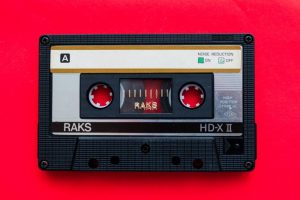
In underground thrash, a physical release is more than merchandise. It documents a band’s existence, serves as a calling card for promoters, and can circulate between scenes long after a show ends. Finnish acts used demos, EPs, splits, and full-length albums to build that kind of presence. A limited pressing might reach a distributor abroad, receive a specialist review, and later appear in a collector’s trade list or at a record fair.
Format culture mattered because it encouraged close listening and documentation. Cover art, lyric sheets, credits, catalog numbers, and mastering details helped fans identify a release and place it within a wider network. These details linked contemporary bands to the visual and tactile traditions of earlier thrash, but they were more than nostalgia: they formed a practical means of moving music through independent channels.
- Demos offered a low-cost way to establish a sound, contact labels, and secure early support slots.
- Splits created direct ties between bands or labels in different regions while sharing manufacturing and promotional effort.
- EPs kept a band visible between larger releases and often highlighted its most immediate material.
- Full-length albums provided the clearest test of songwriting depth and gave overseas listeners a lasting entry point.
- Vinyl and cassette editions connected releases to collector networks that remained especially important in underground metal.
Digital platforms widened access, but they did not replace the value of documented editions. A stream could introduce a Finnish band to someone abroad; a properly credited release bought from an authorized source, or obtained through a legitimate label or artist channel, gave that listener something reliable to revisit and helped support further activity.
Festivals, touring, and the value of physical presence
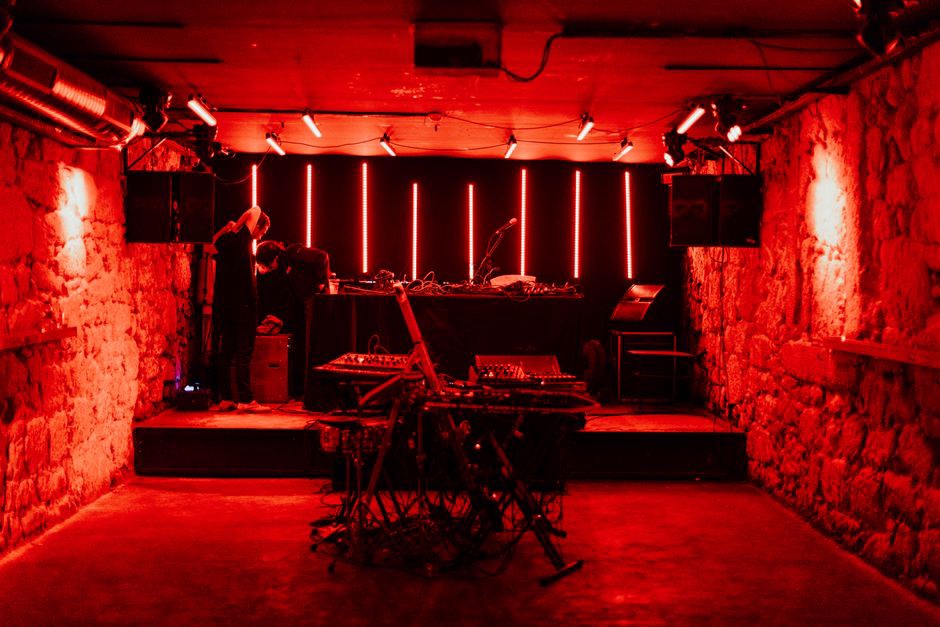
Thrash depends heavily on live proof. Precision on record can win attention, but a band’s standing often changes once it shows that the speed, stops, and coordinated arrangements hold together on stage. Finnish musicians built reputations in clubs and regional events before appearing at larger metal gatherings or on European bills. Finland’s geography made international travel especially consequential: crossing borders required more planning and expense than a short run through densely connected Central European cities.
When Finnish groups did travel, the point was not limited to ticket sales. A short tour could establish promoter relationships, introduce a band to local opening acts, and put records directly into listeners’ hands. Those listeners might later recommend the group to a label, festival organizer, or distributor. Shared stages also gave bands a practical measure against international peers. They learned quickly whether their set pacing worked, whether equipment could survive the road, and which songs communicated across language and regional lines.
| Connection point | How it worked internationally | Why it mattered |
|---|---|---|
| Club support slots | Finnish acts played before visiting or touring bands | New listeners encountered them in a setting where live credibility mattered most |
| European festival bills | Specialist festivals gathered artists and fans from several countries | One appearance could create label, press, and promoter contacts at once |
| Split releases | Two or more bands shared a record across scene boundaries | Each group reached the other’s established audience |
| Mail order and distributors | Independent outlets carried limited physical editions abroad | Recordings remained available after a local show cycle ended |
| Fan documentation | Reviews, photographs, flyers, and set reports preserved activity | Small events became part of a traceable scene history |

Finland’s role was connective, not merely national
It is easy to frame every revival scene as self-contained: a local band forms, releases music, and represents its home country abroad. Finland is better understood as a point of connection. Musicians, labels, audiences, and promoters took part in a broader circuit built on physical formats, direct communication, repeat attendance at small shows, and close attention to recordings. Finland supplied artists and releases, but it also functioned as a dependable northern stop within that circuit.
This challenges the narrow idea that global metal history is written only by major export acts or commercial breakthroughs. Underground influence often works quietly. A band may affect another through a split release, a festival meeting, a touring friendship, or a record passed between collectors. The influence can be musical, organizational, or motivational: evidence that a small group from a distant city can write convincing material, release it in tangible form, and find listeners beyond its borders.
What collectors and historians can usefully track
Claims about the scene’s international reach need better evidence than nostalgia. Discographies, label catalogs, release credits, contemporary reviews, flyers, festival programs, and authorized reissues can show who released a record, how it circulated, which bands shared a bill, and when a title reached wider distribution. Personal memories add valuable texture, especially when supported by surviving documents.
- Identify the original format, label, catalog number, and release year of a recording.
- Compare first pressings with later reissues instead of assuming every edition carries the same audio or artwork.
- Check credits for producers, studios, guest performers, and label relationships that may reveal scene connections.
- Use dated flyers and festival material to confirm live appearances rather than relying on unverified recollection.
- Keep the difference clear between broad international visibility and recognition within specialist underground communities.
These methods matter because the late-2000s to mid-2010s period falls between older print-centered documentation and the unstable abundance of social-media posts. A deleted page or broken video link should not erase a band’s work, yet it should not be replaced with invented dates or inflated claims about its reach.
A durable contribution to thrash’s wider map
Finnish thrash metal earned its place in the wider scene through consistency rather than spectacle. Its bands joined the international revival with records grounded in classic genre mechanics, a live culture that rewarded discipline, and independent practices that allowed small releases to travel. The scene did not need to displace Finland’s better-known metal traditions to matter; it broadened the country’s musical profile through patient work, technical conviction, and a clear understanding of underground exchange.
For anyone building a historical collection, begin with one Finnish release and trace it outward. Find the original edition, note its label and collaborators, then follow the split partners, festival bills, and later reissues connected to it. That route often shows exactly how a record made in Finland entered an international thrash conversation.