A Finnish thrash demo may be more useful historically with its plain rehearsal-room insert intact than as a pristine disc on its own. A handwritten contact address, stapled lyric sheet, shop stamp, or flyer tucked into the case can show how a release circulated, which line-up it documented, and where a band stood before a better-recorded album appeared. For collectors of the Finnish scene from the late 2000s to the mid-2010s, these details are not incidental. They are pieces of the underground record.
This is different from simply collecting rare vinyl. Finnish thrash collectors often keep CDs, cassettes, small-run EPs, self-released recordings, posters, tickets, set lists, photographs, and press clippings alongside commercial releases. Such private archives help correct a familiar imbalance: well-funded albums and later, more visible bands usually leave the clearest digital trace, while local support acts and short-lived projects may fade from public memory despite their place in the scene.
What makes a collection an archive
An archive links objects to evidence. Two copies of the same CD-R may differ in track order, cover artwork, or a handwritten note from a band member. Those differences should be documented, not dismissed as mistakes. Small independent releases were often assembled in changing batches, and variation in artwork or disc printing does not necessarily indicate a separate official edition.
The strongest collections keep each item with its context. Basic documentation can include:
- artist name, release title, format, and catalogue number if one exists;
- the exact wording on the cover, spine, disc, cassette shell, and insert;
- track titles and sequence as printed, including spelling variants;
- release information only where it is supported by the item, a contemporary announcement, or direct documentation;
- physical details such as sleeve type, disc colour, numbered copies, and inserts;
- how and when the copy was obtained, clearly separated from facts about the release itself;
- scans or photographs of all relevant components, named so they can be found later.
A collector's acquisition date is not necessarily a release date. Likewise, a note reading “limited” should be transcribed as printed unless a reliable source confirms the run size. That restraint matters in a scene where informal distribution and handmade editions were common.
Physical evidence from a DIY period
Between the late 2000s and the mid-2010s, Finnish thrash moved through overlapping networks of rehearsal rooms, youth centres, small clubs, independent labels, mail orders, festivals, and European support slots. A physical release might pass through several of these channels. Its insert may contain a social-media address that later disappeared; its acknowledgements may identify allied bands, studios, or promoters; its artwork may preserve a logo or visual style the band soon left behind.
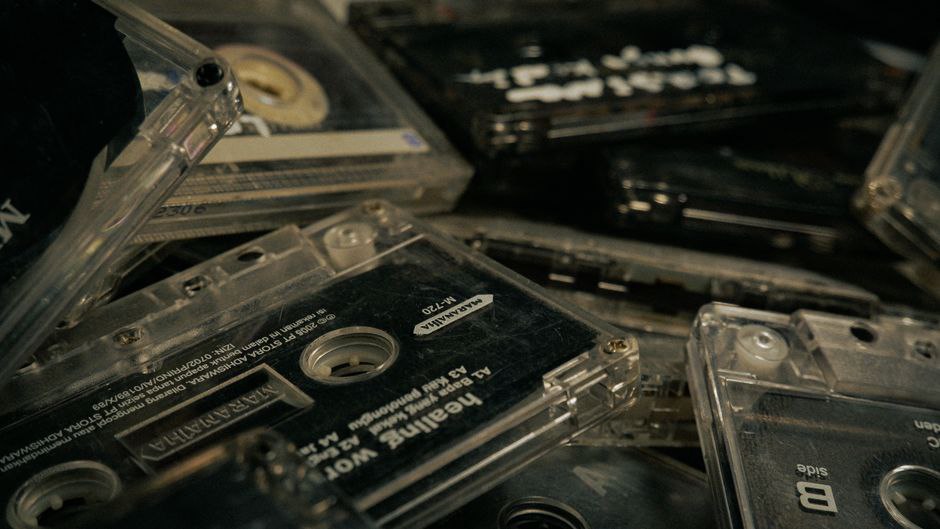
Homemade features are not automatically defects. Uneven photocopied covers, duplicated cassette labels, and minor differences between hand-assembled copies may be part of an edition's production history. Condition still matters, of course. Mold, warped media, adhesive damage, and marker writing can affect playability and legibility. A careful catalogue separates condition from authenticity: a worn original can be more informative than a clean but undocumented later copy.
Why provenance matters
Provenance is the documented history of an item's ownership or source. Here, it is rarely about prestige. It may be as simple as recording that a CD was bought at a particular show, ordered from a label, or obtained directly from a musician. These notes can help identify a tour-era batch or explain a signed insert, but they should not become claims that cannot be verified.
Modest wording is best. “Purchased at a Helsinki club show, according to the original owner” is clearer than claiming that the item was sold only at that concert. If a former band member confirms a detail, note the person's name, the date of the communication, and precisely what was confirmed. Preserve correspondence where consent and privacy permit, and do not publish private contact details simply because they appear on an old flyer.
Building a reliable catalogue
A spreadsheet can support a serious archive if entries are consistent. Collection-management software may help, but the fields matter more than the platform. Give each release an internal identifier so scans, audio notes, and related ephemera can be connected without vague filenames such as “thrash demo final.”
| Field | What to record | Why it helps |
|---|---|---|
| Release ID | A stable internal code | Connects scans, notes, and duplicate copies |
| Title as printed | Exact capitalization and punctuation | Preserves the primary source |
| Format | CD, CD-R, cassette, vinyl, digital card, or other | Separates distinct editions and distribution forms |
| Source note | Where the copy came from and when known | Provides cautious provenance |
| Evidence level | Item itself, contemporary source, later recollection | Prevents uncertain claims becoming fixed facts |
| Associated material | Flyer, ticket, review, poster, correspondence | Retains the release's community context |
Keep a separate notes field for uncertainty. “Date not printed; seller's estimate only” is useful archival information, and it is preferable to assigning an exact but unverified year. If better evidence appears later, the entry can be updated without hiding what was previously unknown.
Duplicates deserve examination before they are discarded. Comparing two copies may show that a difference came from home assembly, or it may reveal a changed cover, revised mastering, or a second run. Photograph copies side by side and transcribe their differences before deciding how to store them.
Concert papers and the problem of verification
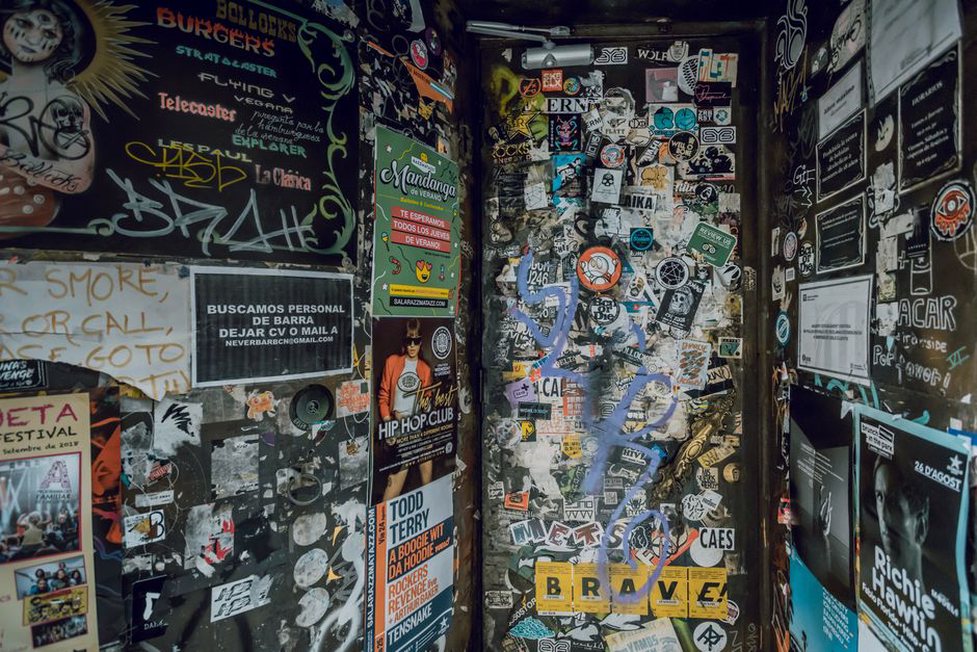
Flyers and tickets are often the only surviving evidence of a local bill, but they need careful reading. A flyer proves that an event was advertised; it does not always prove that every listed band performed. Cancellations, substitutions, and venue changes were ordinary realities. A soundcheck photograph, contemporary review, artist post, or attendee's dated image can strengthen the record, though each source has its limits.
The safest method is to preserve the flyer's statement exactly and record verification separately. Catalogue it as “advertises Band A, Band B, and Band C” rather than “Band C played” unless supporting evidence exists. This prevents assumptions from slowly becoming accepted fact.
Venue material can also show the scale and geography of the revival. The local rooms discussed in The Small Rooms That Shaped Finnish Thrash Metal were more than backdrops. Their flyers, door stamps, and schedules may reveal recurring promoter relationships and bills that brought thrash into contact with hardcore, death metal, punk, and traditional heavy metal audiences.
Preservation without removing the music from circulation
Archiving does not mean locking everything away. The aim is to preserve original objects while supporting legitimate access to artists' work. Store discs vertically in stable cases, keep paper inserts away from direct sunlight and damp, and use acid-free sleeves for fragile flyers or posters. Avoid adhesive tape on original paper. Keep cassettes away from strong magnetic fields and extreme heat, and test them gently on maintained equipment rather than risking an irreplaceable tape in a damaged deck.
Personal reference copies can be useful for preservation and research, particularly when repeated handling would wear a fragile release. They should not become a route to unauthorized distribution. Share catalogue facts, cover scans where appropriate, and documented release details, but do not upload or circulate music without permission from rights holders. If an artist, label, or estate has made material available officially, note that authorized version in collection records rather than replacing it with an unofficial copy.
Talking with musicians and fellow collectors
First-hand testimony can clarify a confusing discography, though memories may conflict. Ask focused questions: whether a cassette was sold before or after a particular recording, whether a logo change marked a new batch, or whether a listed song title was revised. Treat replies as attributed testimony rather than automatic final proof. A respectful collector sends scans back to contributors, welcomes corrections, and does not pressure anyone to disclose private history.
This is particularly helpful for bands whose material appeared across several formats. A rehearsal recording, local demo, independently pressed EP, and later label release may share songs while representing different stages in a band's development. The musical continuity may be easy to hear; the history of the objects often is not. For broader context on Finnish thrash moving between clubs and larger bills, Finnish Thrash Metal: From Club Shows to Larger Stages traces the performance side of that shift.
A practical entry for an obscure release
A useful archive record might read: “Artist — title as printed — CD-R in slim jewel case; black-and-white folded insert; five tracks listed; no catalogue number; acquired from original owner in 2013; release date unconfirmed; accompanying flyer advertises a local date; flyer retained separately under event ID.” It does not claim to know the pressing quantity, release month, or full performance history. It does, however, give future researchers enough to compare another copy, identify shared artwork, or assess a later recollection.
When scanning such an item, capture the front cover, back cover, disc face, both sides of the insert, and any handwritten annotation at a readable resolution. Name files with the archive ID and component—such as “FT-014_insert-inside”—and keep unedited original scans in one folder, with resized access copies stored separately.