A Finnish thrash band often proved more in a small all-ages room than in a polished support slot. A cramped stage, rushed line check, and audience close enough to catch every missed change quickly showed whether the songs worked. In the late 2000s and early 2010s, modest clubs, youth centres, association halls, rehearsal-space events, and bills assembled by independent promoters gave emerging groups the setting in which riffs became sets and local acquaintances became a scene.
Calling these spaces a “birthplace” does not suggest that Finnish thrash came from one venue or city. Finland’s metal infrastructure was dispersed. Musicians learned in rehearsal rooms, through recordings and friends’ bands, and from earlier Finnish heavy music traditions. Underground venues were where those strands met in public. A band could test its tempo, refine its stage movement, sell a small run of recordings at the merch table, and leave with contacts for another show in another town.
What made a venue underground?
The term describes a way of operating rather than a particular kind of building. An underground venue was often small, locally run, and financially precarious. It might depend on volunteers, a sympathetic booker, a youth-work organization, a bar willing to host heavier music, or bands sharing promotion duties. The same room could host punk, hardcore, death metal, crust, or traditional heavy metal on other nights. That mix mattered: Finnish thrash did not grow in an isolated circuit.
These shows served a different purpose from established festivals and large concert halls. Festivals could bring visibility, but smaller bills allowed repetition. Bands could play often enough to sharpen a twenty-five- or forty-minute set, learn which songs drew a response, and master the less glamorous work of loading gear, meeting curfews, and dealing professionally with promoters.
The room as a working test
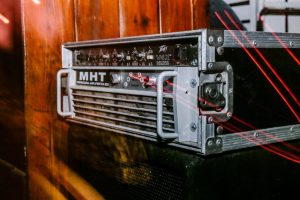
Thrash metal relies on collective precision. Fast palm-muted passages, sudden stops, and lead-guitar transitions expose weaknesses quickly when a band is playing through unfamiliar backline equipment. In a close room, musicians also had to hear one another with limited monitoring. The result was often practical songwriting: clearer count-ins, less cluttered intros, repeatable transitions, and riffs that still carried weight without studio overdubs.
Audience response offered useful evidence, though it was never a simple popularity contest. A fast song might get the floor moving but still fail if its structure blurred. A mid-tempo section could produce the strongest collective reaction and earn a permanent place in the set. Playing under those conditions helped newer bands move beyond enthusiasm for 1980s thrash records and develop an identity that held up in front of people.
Local bills created practical networks
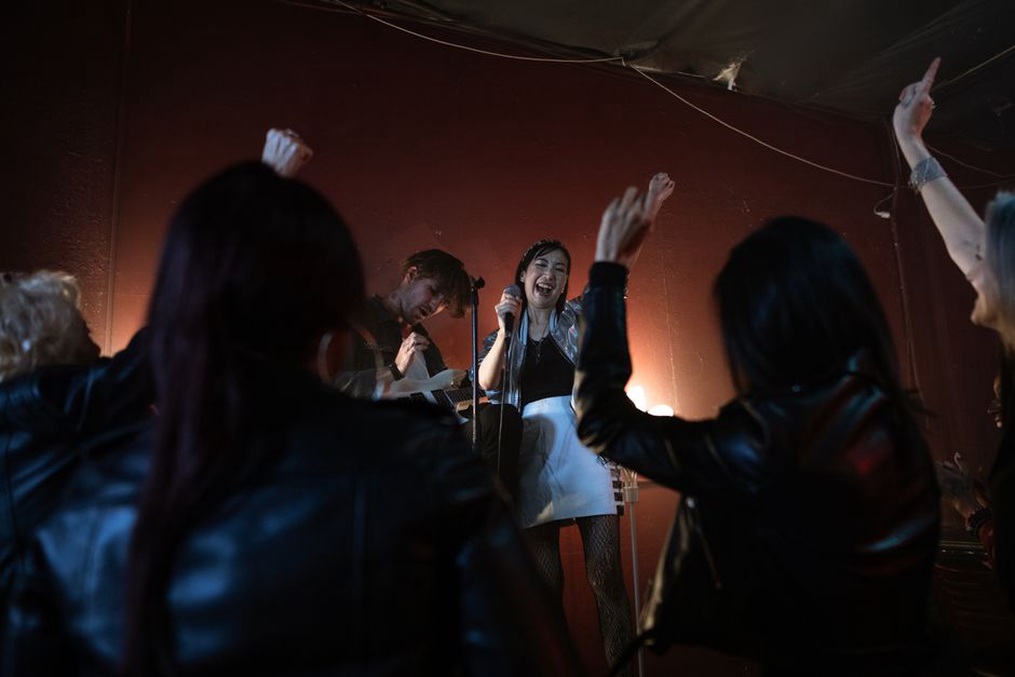
A typical independent bill made connections visible. Bands borrowed or shared equipment, exchanged details with visiting acts, and met photographers, designers, zine writers, and regular attendees. The most lasting results were often mundane: someone able to arrange a return date, a dependable opening act, or a recommendation for a rehearsal room. Such links helped music move between Finnish towns before bands had formal representation.
For an overview of how the movement connected with neighboring scenes, Finnish Thrash Metal and Its Place in the Nordic Underground places local activity within a wider Scandinavian context. At venue level, those connections were concrete. A visiting group could bring a different audience and the prospect of an exchange show, while Finnish bands gained experience presenting their material beyond a circle of familiar friends.
Why mixed-genre nights mattered
Pure thrash bills existed, but they were not the only important setting. Shared shows with punk and hardcore favored direct songs, quick changeovers, and an unpretentious stage presence. Bills with more traditional metal bands put thrash musicians in front of listeners attentive to guitar leads, tight rhythm sections, and songwriting. That crossover does not mean every band sounded alike. It reflects the social conditions in which musicians and listeners encountered related ideas about speed, aggression, melody, and DIY organization.
- Promoters assembled bills that made financial and stylistic sense for a particular room.
- Opening bands received an early serious test of their material and stage discipline.
- Headliners drew attendance and set a standard for younger musicians.
- Attendees spread information informally, carrying flyers, demos, and recommendations between scenes.
From rehearsal tapes to physical releases
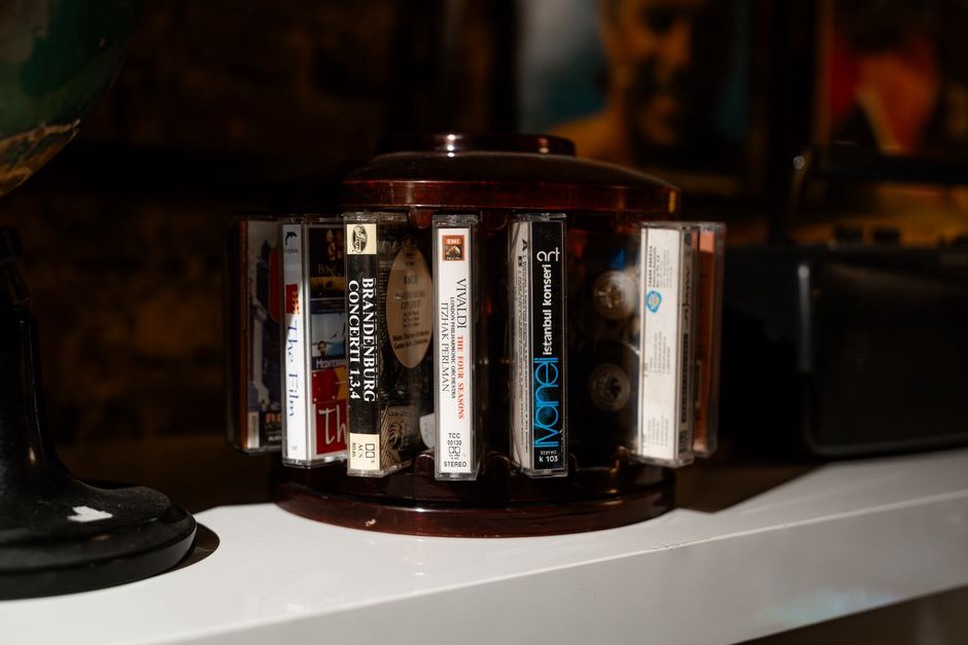
Venue culture and independent releases reinforced one another. A demo or EP was more than a product: it gave a band something tangible to hand to promoters, reviewers, and listeners after a show. Small runs on CD-R, cassette, compact disc, or vinyl could be linked to a release concert, but their value extended beyond that night. A listener who liked a local set could take the music home, recognize the band at a later event, or recommend it elsewhere.
Collectors should distinguish a documented edition from an item described only as “original” by a seller. Useful evidence includes a catalog number, sleeve credits, mastering details, matrix information where applicable, and contemporary announcements from the label or band. Physical media has long been central to metal history; the Wikipedia overview of heavy metal music offers broad context for the genre’s development, while Finnish local releases need closer, item-by-item verification.
| Venue function | Effect on a developing thrash band |
|---|---|
| Low-risk first booking | Allowed unfinished material to be tested before recording an album. |
| Shared local bill | Built relationships with musicians, promoters, and new listeners. |
| Release-night performance | Linked a physical recording to a memorable live encounter. |
| Visiting-band exchange | Created routes toward regional and later European dates. |
Limits of the venue-centered story
Underground rooms mattered, but they were not automatically welcoming or sustainable. Limited payment, travel costs, equipment failures, age restrictions, and uneven promotion could restrict who performed and who attended. A packed show did not guarantee a viable tour, and a quiet night did not prove that a band lacked merit. Archival accounts should not treat attendance figures, recollections, or surviving flyers as complete evidence without corroboration.
The venues themselves were often temporary. Renovations, licensing changes, management decisions, rising costs, and changing local priorities could remove a room from the circuit. This makes surviving posters, ticket stubs, setlists, photographs, and flyers valuable historical material, while demanding caution: a flyer advertises an intended event, not necessarily a performance that took place.
How to document a local show responsibly
For researchers, collectors, and scene participants, the strongest record draws on several sources rather than memory alone. Preserve digital files with basic context, and keep physical items in stable conditions. When identifying a show, record the venue name exactly as it appeared at the time, the municipality, the full date, the billed lineup, and the source for each detail.
- Start with an original flyer, ticket, venue calendar, or band announcement.
- Compare it with a contemporary photograph, review, setlist, or performer’s archive.
- Label uncertainty clearly when a lineup change or cancellation cannot be confirmed.
- Ask permission before republishing personal photographs or scans.
- Keep a note of provenance: who supplied the item and when it was digitized.
A flyer naming a venue, date, and four-band bill can be catalogued without claiming more than it proves. Paired with a dated stage photograph or contemporary review, it becomes much stronger evidence of how the small rooms in Finland helped thrash bands learn to function as live acts.