
Finland’s contribution to thrash metal has never rested on numbers alone. Its importance lies in the practical network behind the music: players used to demanding forms of heavy metal, listeners who supported small physical editions, and connections between rehearsal rooms, independent labels, specialist distros, and audiences abroad. Between the late 2000s and the mid-2010s, that network gave Finnish thrash a place in the international revival without reducing it to imitation.
This was not one unified “Finnish sound.” It was a point where local metal traditions met an international vocabulary of sharp riffs, speed, abrasive vocals, denim-and-patch aesthetics, and DIY record culture. Bands could draw on the classic 1980s thrash canon while playing with the confidence of musicians raised within Finland’s wider metal community. Even modest underground releases could therefore carry an identity that listeners outside the country recognized.
A small scene with international reference points
Thrash metal has long moved through recordings, tape trading, fanzines, mail order, and touring networks more readily than through mainstream media. Online platforms widened access by the late 2000s, yet physical formats retained particular weight in the underground. A cassette, CD, seven-inch, or LP was more than merchandise: it served as a calling card for labels, reviewers, promoters, and collectors in other countries.
Finnish artists entered this international circuit with a useful advantage. Finland was already known abroad for extreme metal, melodic death metal, doom, gothic metal, and less easily classified strains of heavy music. Thrash remained a relatively small part of the national scene, but foreign listeners were prepared to take Finnish metal seriously.
That did not guarantee recognition. Most acts faced familiar underground limits: short pressing runs, changing line-ups, restricted travel budgets, and fierce competition for attention during the revival. What mattered was whether a release could be understood and obtained outside Finland. Clear artwork, reliable credits, accessible ordering, usable live footage, English-language song titles or promotional material, and relationships with independent labels all helped turn a local project into something listeners abroad could find and follow.
Why Finland’s metal culture mattered
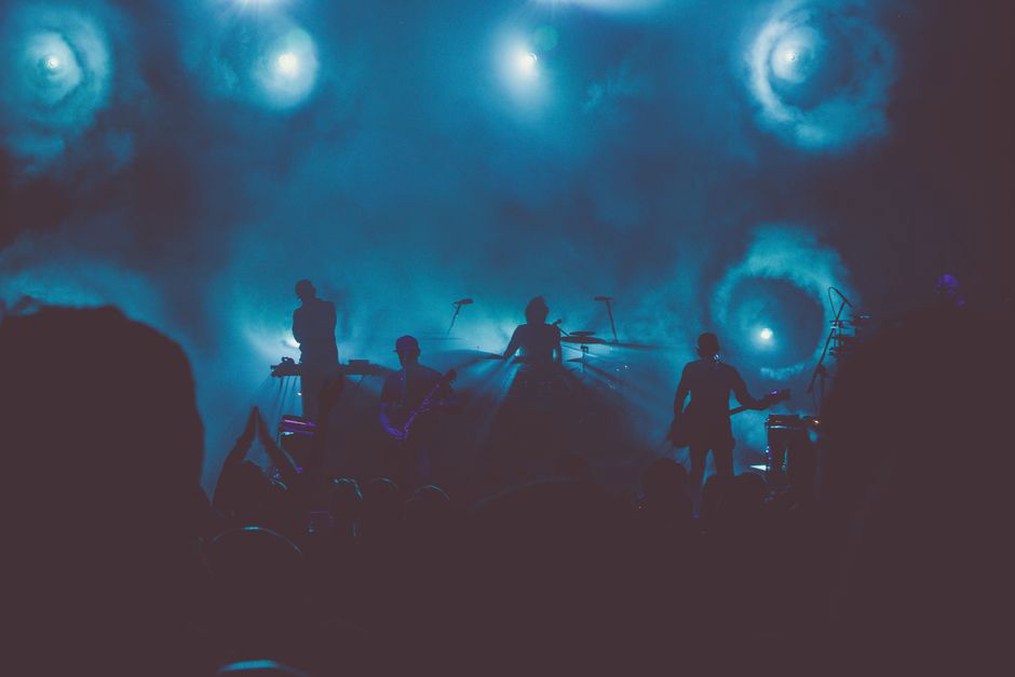
Finland’s wider musical environment supplied skills and expectations that served thrash well. Metal was not treated as an unusual or socially isolated pursuit. It had a visible place in youth culture, music education, rehearsal facilities, record shops, and live venues. Independent bands still faced real obstacles, but aspiring players could draw on peer networks and a knowledgeable audience.
Technical ability mattered. Classic thrash demands more than fast downpicking: arrangements shift quickly, rhythm sections need stamina and precision, and guitarists must combine disciplined riffing with expressive lead work. Finnish musicians often came to those demands with experience in death metal, power metal, hard rock, punk, or progressive settings. The results could be cleaner and more exact than deliberately raw revival thrash elsewhere while retaining an underground edge.
Community shaped the work behind the recordings as well. Friends traded recording advice, lent equipment, shared bills, designed covers, and passed promoter contacts to one another. A release might be tracked in a modest studio or recorded independently, but finishing it usually depended on practical cooperation rather than a simple band-against-industry story. Those same connections later supported foreign bookings, split releases, and distribution arrangements.
Continuity rather than imitation
International listeners sometimes hear later Finnish thrash mainly as part of the 1980s revival. That misses the country’s earlier connection to the style. Stone, formed in the mid-1980s, became an important domestic reference point through energetic, technically capable thrash that did not simply copy American models. Later musicians could draw on that legacy alongside Metallica, Slayer, Kreator, Destruction, Exodus, Sodom, Testament, and crossover punk.
This continuity mattered culturally as much as musically. Younger bands could treat thrash as part of local metal history rather than a retro style imported from abroad. The strongest releases used familiar genre tools as working discipline: concise riff construction, memorable transitions, forceful drumming, and an emphasis on live impact. They did not need to claim novelty in every detail to add something worthwhile to the wider conversation.
For a broader historical grounding, The Foundations and Evolution of Finnish Thrash Metal traces the scene’s earlier roots and development in greater detail.
Sound: classic vocabulary, Finnish accents
Finnish thrash from this period cannot be reduced to one production approach. Some recordings favored dry, direct guitar tones and compact songs associated with early speed-metal urgency. Others used a heavier low end, thicker drums, or darker melodic intervals shaped by the country’s deep familiarity with extreme metal. The distinction was usually one of emphasis rather than strict genre boundaries.
| Musical element | Classic thrash function | Common Finnish-era variation |
|---|---|---|
| Rhythm guitars | Fast palm-muted riffs and abrupt changes | Dense articulation, occasional darker melodic turns |
| Drums | Driving beats, rapid fills, high-energy transitions | Precision shaped by extreme-metal playing practices |
| Vocals | Shouts, snarls, or barked phrasing | Ranges from punky directness to harsher extreme-metal attack |
| Lead guitar | Brief, expressive solos and harmonized lines | Technical fluency without abandoning riff-centered songs |
| Atmosphere | Urban tension, confrontation, speed, satire | Cold-toned textures and severe, tightly controlled moods |
These are tendencies, not rules. Local identity often appeared in performance habits and tonal decisions rather than folklore or overt national symbolism. A Finnish band did not need to sound “Nordic” in a stereotypical sense to reflect its musical surroundings.
Independent releases as global circulation
The thrash revival of the late 2000s and mid-2010s relied on many small points of exchange rather than a handful of major gatekeepers. Finnish labels and self-releasing bands took part through limited pressings, cassette editions, split records, compilation appearances, and work with foreign partners. These formats reduced financial risk while putting a band in front of committed listeners across several territories.
Split releases were particularly useful because they joined audiences. Someone buying one band’s side might discover another act from a different city or country. Compilation tracks served a similar purpose, placing Finnish material beside bands from Europe, North America, Latin America, or Asia. Commercially, these were small channels. Within thrash, where collectors and scene participants actively sought unfamiliar names, they carried real weight.
- Physical editions provided tangible evidence of a band’s activity and preserved music beyond a single platform.
- Small labels handled manufacturing, artwork coordination, distribution contacts, and credibility within specialist networks.
- Reviews and fanzines gave context to listeners who could not see the bands live.
- Digital platforms made international discovery easier, while physical releases remained important to collectors.
- Cross-border splits and compilations linked local scenes directly without major-label support.
The international value of these records cannot be judged by sales alone. They kept the global thrash conversation varied. Underground culture depends on a steady supply of bands with distinct regional backgrounds, and Finnish releases offered another perspective on a style often treated as fixed to the United States and Germany.
Live exchange beyond national borders
Concerts tested whether recorded momentum could become a lasting reputation. For Finnish thrash groups, domestic club bills were the first proving ground. A short set had to work alongside death metal, hardcore, traditional heavy metal, or punk acts, often before audiences with mixed expectations. That encouraged direct arrangements and disciplined performances.
European travel extended the process. Nordic and Baltic circuits could be more realistic than distant markets, while central European festivals and club networks connected bands with the wider revival audience. Even a short run of dates could matter: shared backline arrangements, invitations to return, local promoter contacts, and face-to-face meetings with labels or distros all grew out of such trips.
International touring was neither constant nor equally available to every act. Visa requirements, fuel costs, transport, work schedules, and the effort of moving equipment imposed strict limits on small bands. Overseas appearances should not automatically be treated as evidence of a breakthrough. More often, they were incremental exchanges that made one scene visible to another.
Festivals as meeting places, not just stages
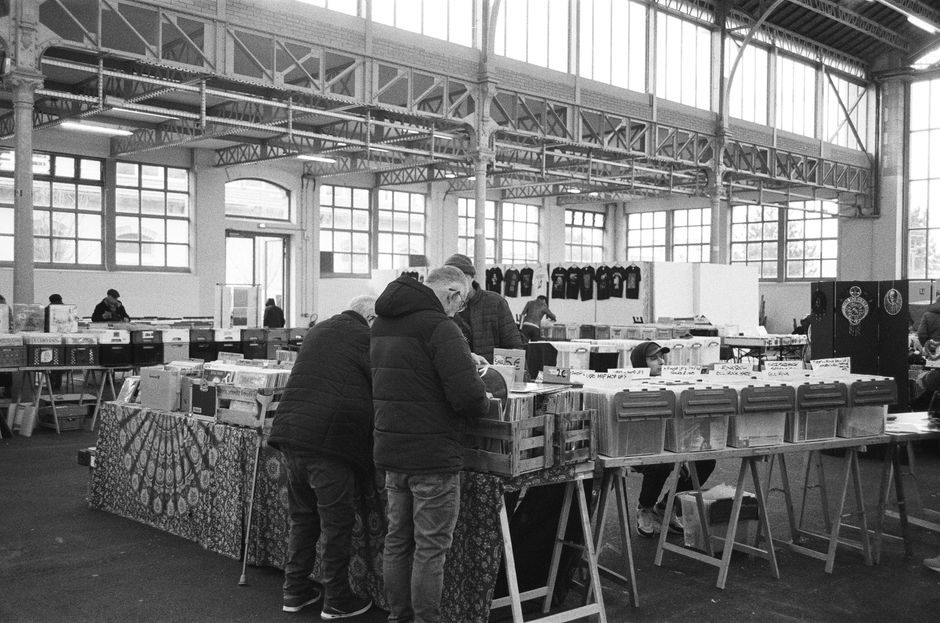
Festival appearances mattered for more than audience size. Shared bills placed Finnish bands alongside established acts and newer contemporaries, allowing journalists, label representatives, collectors, and visiting listeners to encounter the scene in person. A strong set could lead to reviews, distribution discussions, or later bookings, while festivals also strengthened informal ties among musicians.
It is most useful to see this role as part of the scene’s working structure. A stage slot was one link in a chain that included rehearsal preparation, recordings at the merch table, promotional material, and follow-up communication. Bands whose releases were easy to identify and order had a better chance of turning a brief appearance into sustained attention.
Place within the wider thrash revival
Worldwide, the late 2000s and early 2010s brought renewed interest in classic thrash forms. Some acts pursued a deliberately primitive 1980s aesthetic; others brought in crossover, blackened, death-metal, or progressive ideas. Finland took part without dominating the movement numerically. Its contribution came through skilled, committed bands working largely through independent channels.
That matters because music scenes are shaped by more than headline acts. They also depend on communities that maintain standards of playing, documentation, and exchange. Finnish thrash kept space open for riff-driven metal at a point when the genre could easily have been treated only as heritage. Respect for the past existed alongside active local work in the present.
Its influence is better understood through circulation and connection than through claims of one-way innovation. Finnish bands absorbed records from abroad, adapted thrash language to their own musicianship and communities, and sent recordings and live performances back into the same international network. That reciprocal exchange is one reason underground genres endure.
How to assess a Finnish thrash release in context
Collectors and researchers can avoid both overrating and overlooking a release by documenting it within its network. Rather than relying on genre tags alone, examine what can be verified around the recording.
- Record the exact edition: format, label, catalogue number, year, and matrix or runout information where applicable.
- Identify the credited musicians, recording location, producer, and artwork contributors from the sleeve or official notes.
- Check whether the release was a self-financed edition, a domestic-label issue, or a cross-border collaboration.
- Compare its musical choices with both classic thrash and Finnish metal practices without forcing it into a single national stereotype.
- Preserve flyers, reviews, set lists, and photographs with clear dates and provenance, separating documented facts from recollections.
A cassette demo with a legible date, complete credits, and a known local-label connection may be more historically useful than an undocumented rarity. Scanning the cover, tape shell, and any accompanying insert preserves evidence of how Finnish thrash entered the wider underground network.