
Stone’s “Get Stoned” opens with a riff that makes a good case for Finnish thrash: the guitar is fast and sharply articulated, but the rhythm leaves room for the hook to land. The band’s 1988 debut, Stone, showed that technically demanding thrash need not sound like a copy of an American record. What followed was hardly a tidy national style. Some Finnish bands pursued intricate arrangements, others drew on hardcore punk, and a later generation returned to the direct attack of 1980s thrash.
The records that established a Finnish identity
Stone — Stone (1988)
Stone’s self-titled debut is an essential starting point because its speed never flattens the songs into one shape. On “Get Stoned” and “No Anaesthesia,” the riffs change direction and the drums mark each turn; the leads sound like part of the arrangement rather than decoration laid over it. Singer and guitarist Janne Joutsenniemi’s rough delivery keeps all that precision from feeling clinical.
Finnish heavy metal was gaining a stronger domestic foothold when the album appeared, but thrash still had to find its audience through records and live appearances, without an established national circuit devoted to the style. Stone’s achievement is musical as well as historical: the songs hold up under close attention without needing it to make their impact.
Stone — No Anaesthesia! (1989) and Colours (1990)
Stone’s next two albums show how quickly the band developed. No Anaesthesia! sharpened its complex riffing without losing the attack; Colours ventured further into varied tempos and arrangements. Played in sequence, the three records make “classic Stone” a difficult sound to pin down. The interest in shifting song structures was there on the debut and grew more pronounced.
That distinction matters when later Finnish groups cite old-school thrash. They might be reaching for the debut’s immediate drive or for the more elaborate writing that followed. Both belong to Stone’s history, but they are not quite the same model.
Airdash — Thank God It’s Monday (1988)
Helsinki’s Airdash offered another early route into Finnish thrash. Their debut, Thank God It’s Monday, has late-1980s urgency, while its shifts and accents give the songs a restless character of their own. Put it beside Stone and it becomes harder to let one successful band stand in for the whole scene.
These records were made in conversation with international releases, but local differences mattered too: singers, rhythmic approaches and ideas about how much complexity a song could bear. Full albums make those choices easier to hear than a playlist made up only of the fastest tracks.
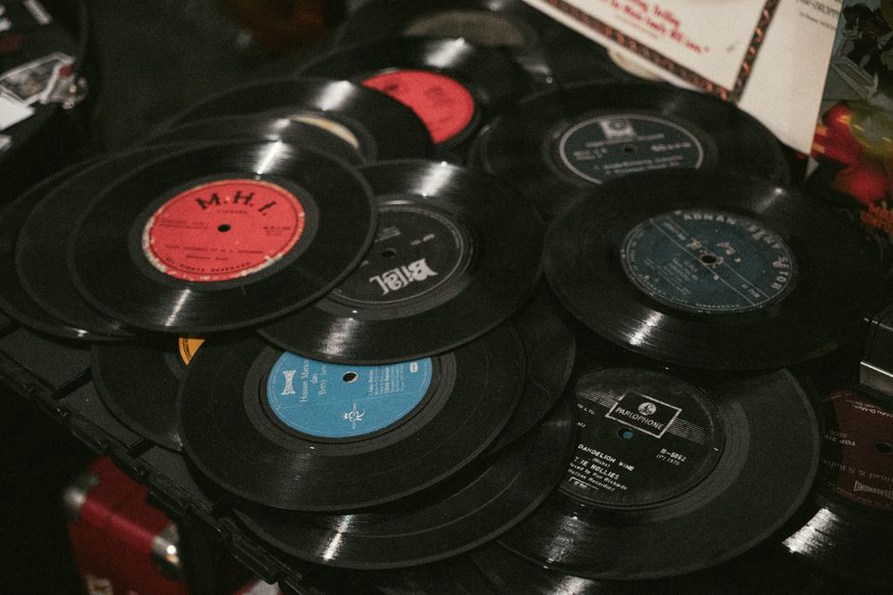
When thrash crossed into punk and stranger territory
National Napalm Syndicate — National Napalm Syndicate (1989)
National Napalm Syndicate’s self-titled album documents a rougher strand of the first wave. The band lets abrasive edges remain in the performance rather than smoothing them away. It makes a useful counterweight to Stone’s tightly composed material: both records belong in a Finnish thrash collection, but they put speed and aggression to different uses.
The name appeared on recordings long after that first release, so check the year and format when looking through a discography or second-hand listing. Not everything bearing the band’s name documents the same period. For a first-wave collection, start with the 1989 self-titled album.
Prestige — Attack Against Gnomes (1989)
Prestige’s debut, Attack Against Gnomes, is another reminder that Finnish thrash was not confined to one city or temperament. The title suggests mischief; the music delivers brisk riffs with direct force. Beside the better-known early releases, it gives a fuller picture of what Finnish bands were recording at the end of the 1980s.
Prestige followed it with Selling the Salvation in 1990 and Parasites in Paradise in 1992. Hearing that short run in order traces the band’s recorded development while thrash’s commercial and stylistic surroundings were changing. The debut makes more sense as part of that run than as an isolated curiosity.
Terveet Kädet — Black God (1984)
Not every record relevant to a thrash collection is itself thrash. Terveet Kädet’s Black God is a hardcore punk EP, and the distinction matters. Its compressed songs and abrasive velocity help explain why the meeting point of punk and metal was so productive for extreme music, without recasting the group as a thrash band.
Influence is not genre membership. Set Black God beside a tightly arranged Stone song and the contrast is instructive: one performance prizes brevity and impact, the other makes room for riffs to turn and develop.
The revival albums: old-school language, new recordings
By the late 2000s and early 2010s, Finnish bands were again recording thrash built around rapid picking, shouted vocals and active bass lines. Artwork often made their affection for the classic style plain. This was not one line-up carrying the first wave forward uninterrupted, but younger groups working in a different recording and touring environment. Independent releases and small-club bills coexisted with chances to reach listeners elsewhere in Europe. For more on the setting in which they emerged, see the blog’s account of emerging Finnish thrash bands from the late 2000s to mid-2010s.
Lost Society — Fast Loud Death (2013)
Lost Society’s debut announces its priorities in the title. Fast Loud Death pairs rapid riffing and gang vocals with an exuberant sense of performance. It sounds like a young band enjoying thrash’s physical charge, not trying to reproduce the limitations of an old recording. On “N.W.L.” and “Trash All Over You,” concise hooks cut through busy, propulsive arrangements.
Nuclear Blast released the album, setting it apart from the scene’s smallest DIY issues. Its wider reach does not make it the whole story of Finnish thrash at the time. It does show how a revival band could play in a recognisably old-school idiom with punchy, comparatively modern production. Terror Hungry (2014) and Braindead (2016) chart Lost Society’s recorded path beyond the debut; the latter moves further from a narrow retro-thrash template.
Axegressor — Command (2009)
Axegressor’s Command makes a telling companion to Fast Loud Death. Its debut is stern and tightly driven, with a more severe vocal presence and an emphasis on riff attack. The renewed interest in thrash did not dictate a single mood, even among bands drawing on similar classic-metal reference points.
Listen to the transitions on each record. On Command, changes tend to tighten the pressure; on Lost Society’s debut, they more often set up a burst of collective release. Neither is a test of authenticity. They are different ways to put familiar musical tools to work.
Deathchain — Deathrash Assault (2005)
Deathchain’s Deathrash Assault predates the late-2000s revival, but it helps map a neighbouring sound. As the title suggests, the record sits near the meeting point of thrash and death metal. Its vocals and overall weight separate it from cleaner, more overtly retro albums, even as the rhythm guitar keeps thrash’s forward drive.
Calling every fast Finnish metal album “thrash” blurs that difference. Play Deathrash Assault alongside Command and listen to the vocal timbre, drum emphasis and guitar density. Genre labels are more useful as prompts for that comparison than as a way to settle it beforehand.
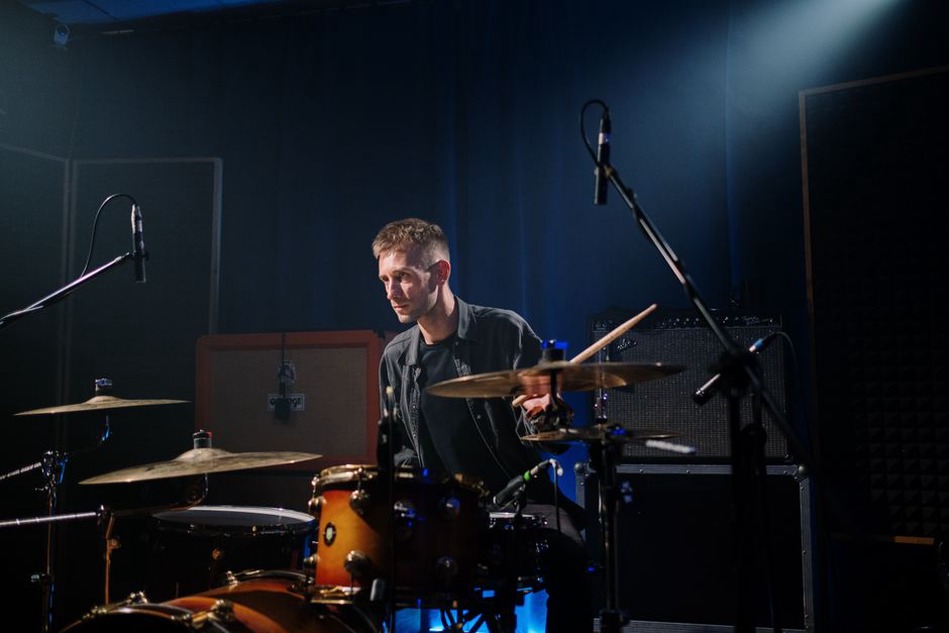
How to listen across the albums
Release dates give the stack an order. These pairings make the differences in songwriting and production easier to pick out:
- Start with Stone and Airdash: play Stone and Thank God It’s Monday for two late-1980s approaches to speed, phrasing and song structure.
- Follow Stone’s changes: move on to No Anaesthesia! and Colours, listening for longer passages and shifts in tempo rather than just faster playing.
- Hear the rougher edge: put National Napalm Syndicate’s debut and Prestige’s Attack Against Gnomes beside Stone instead of using one band as the first-wave template.
- Compare revival moods: hear Axegressor’s Command against Lost Society’s Fast Loud Death. The vocal styles and the balance of fun and menace differ sharply.
- Check the genre border: use Deathchain’s Deathrash Assault to hear thrash’s rhythmic drive in a heavier death-metal setting.
Original release years matter here. A later reissue may add bonus material, change the running order or use remastered audio. It may still be a good listening copy, but it can alter your sense of the album as first issued. Check the track list, separate the original programme from appended demos or live tracks, and confirm whether a collector’s listing describes an album, EP or compilation.
What “iconic” leaves out
A pivotal album need not be the rarest item in a collection, and a scarce pressing is not automatically a scene-defining record. Stone’s early albums became reference points through their music and contemporary visibility. Fast Loud Death matters differently: it documents a younger band reaching well beyond its immediate local setting. Command and Deathrash Assault, meanwhile, make any uniformly retro account of the revival hard to sustain.
Albums have their limits as evidence. They favour bands that reached the studio and leave less visible the demos, short releases and local support slots where musicians developed. The link between recordings and performance comes through in the blog’s history of Finnish thrash onstage, from club floors to larger crowds. An album preserves a set of songs; it cannot tell you on its own how they changed at a particular gig.
For a compact listening session, play the original album sequence of Stone, then Command, then Fast Loud Death. Before adding bonus tracks, note where each record makes its first substantial tempo change. It is a small detail, but one that brings the differences between late-1980s composition and two revival-era approaches into focus.