
A cassette sent to another town could do more for an unknown thrash band than a stack left at its rehearsal space. The recipient might play it for bandmates, write back, or pass the band's details to a gig organiser. Tape trading worked because the recording came through a person: someone had chosen to send it, and someone else had a reason to listen.
For Finnish thrash musicians in the late 2000s and early-to-mid 2010s, trading tapes was an inherited underground practice, not the only way to get music heard. Downloads, social platforms, CD-Rs and small-label releases were part of the scene too. Cassettes gave demos a physical form that could move between Finnish towns and reach listeners elsewhere in Europe, often through people already following underground metal.
What a tape trade actually involved
A trade could be as simple as swapping recordings by post or at a show. The item might be a band-made demo, a small-run cassette release or a compilation put together for a correspondent. A commercially issued cassette was not the same as a private dub, though both could circulate through the same network. The distinction matters when establishing permission, edition and authorship.
The audio was only part of the exchange. A band name, address, track list and indication of when the recording was made gave the recipient something to follow up on. A note about new songs or another band worth hearing could lead to further contacts. Sending something in return kept the exchange reciprocal; this was more than free promotion mailed to strangers.
- Band-to-band trades put demos in the hands of musicians who might suggest a shared bill or another contact.
- Trades with fans and collectors reached listeners willing to spend time with unfamiliar recordings and keep their packaging.
- Fanzine and radio contacts could lead to a review or airplay, though a posted tape guaranteed neither.
- Show-floor exchanges let touring musicians carry a local band's recording to the next city without formal distribution.
These routes crossed constantly. A trader might also play in a band, write a zine or arrange shows. One cassette could be heard at home, discussed with friends and eventually brought to someone able to book or review the group.
Why the format travelled beyond a hometown
A local gig audience could hear a Finnish thrash band only if the band reached that town. Mailing a cassette separated discovery from touring. Musicians could introduce their songs before they had the money, time or contacts to travel; for a listener abroad, the tape brought music, artwork and a return address together in one package.
That does not mean every tape crossed a border or led to a European booking. Trading opened possible routes beyond a band's immediate circle. A recommendation from a trusted correspondent made an unfamiliar name easier to take a chance on. If the recipient liked the recording, the band might gain another contact without paying for formal distribution.
Small runs suited this approach. A band could set some copies aside for trades and sell others at shows, without needing shelf space in a shop. A home-dubbed tape and a professionally duplicated one might make different first impressions, but either could get a demo to someone who otherwise would not have heard it. There were limits: dubbing tapes, assembling covers, paying postage and answering letters all took time.
A route, not a straight line
The results were seldom traceable as a tidy sequence of tape sent, review published, tour booked. A recipient might wait months to listen. A musician might keep the insert, lose the letter and contact the band only after spotting its name on another release. Such delays help explain why physical exchanges can vanish from neat accounts of a band's rise: their effects surfaced in conversations, recommendations and later encounters.
Sales figures tell a different, equally incomplete story. Selling twenty tapes shows that twenty copies left the table, not who played them. A single trade with an active correspondent might reach more ears, but those listeners would be hard to count. Neither figure proves a breakthrough.
What the cassette carried besides songs
Thrash's quick rhythms, sharp guitar attack and forceful vocals could come through on a rough demo, though sound quality affected the first listen. One trader might hear the writing and energy in a rehearsal tape; another might struggle to make out the riffs. A legible label and insert helped the listener identify the players, find the right side and get in touch.
Handwritten sleeves, photocopied artwork and typed or hand-printed track lists also made individual copies identifiable. That matters beyond nostalgia. An insert might distinguish an authorised band-made edition from a later dub, preserve an old contact address or show which songs circulated together before appearing in another format. The relationship between sleeve design, physical formats and identity is explored in Finnish Thrash Metal Artwork: Sleeves, Formats, and Scene Identity. In a trade, the sleeve had a more immediate job: helping a stranger recognise and remember the band.
For musicians and listeners drawn to classic thrash aesthetics, a cassette could signal familiarity with an older underground tradition. It did not prove that the music sounded old. Nor did copying a digital recording onto tape make it an archival-era demo. Format, recording date and release history remain separate facts.
Trading alongside the internet, labels and gigs
A Finnish band in this period could post a track online and trade a physical demo at the same time. An upload offered immediate access; a cassette could start a slower exchange and leave the recipient with an object to keep. Neither method was inherently more authentic.
Independent labels and traders crossed paths as well. A small release could reach listeners through a label's contacts while the musicians kept swapping earlier demos themselves. At a concert, a tape made a useful follow-up to a conversation: instead of trying to remember a name after a loud set, a visitor took home the songs and contact details. That kind of encounter depended on DIY work, discussed more broadly in DIY Ethics in Finnish Thrash Metal, 2008–2015.
Access was uneven. Postage cost money, listeners needed a tape deck, and a newcomer could not easily reproduce an established trader's address book. Language and slow replies could complicate correspondence across borders. The network favoured people able to keep making copies and maintaining contacts, not necessarily the bands with the strongest songs.
How to assess a claim about a tape's reach
A surviving cassette shows that a recording existed in that form; it does not show how far it travelled. A letter with an overseas address is stronger evidence of an exchange. A dated review shows that someone heard enough to write about the music. To link a particular trade to a later booking, look for something more direct, such as correspondence or an account from someone involved.
When tracing circulation, separate evidence of production from evidence of reception:
- Record the exact title, track list, format and any date printed on the tape or insert. An undated cover is not a confirmed release date.
- Note whether the copy appears band-made, label-issued or privately dubbed. Similar-looking copies need not share an origin.
- Keep letters, envelopes and trade lists with the recording. Postmarks and addresses can establish a route more securely than a collector's later recollection.
- Compare reviews or gig correspondence with the tape's contents. A shared band name may refer to a different recording or edition.
Documenting a private dub does not call for distributing its audio without permission. A collector can record an item's existence and provenance without uploading the music or presenting an unofficial copy as band-approved.
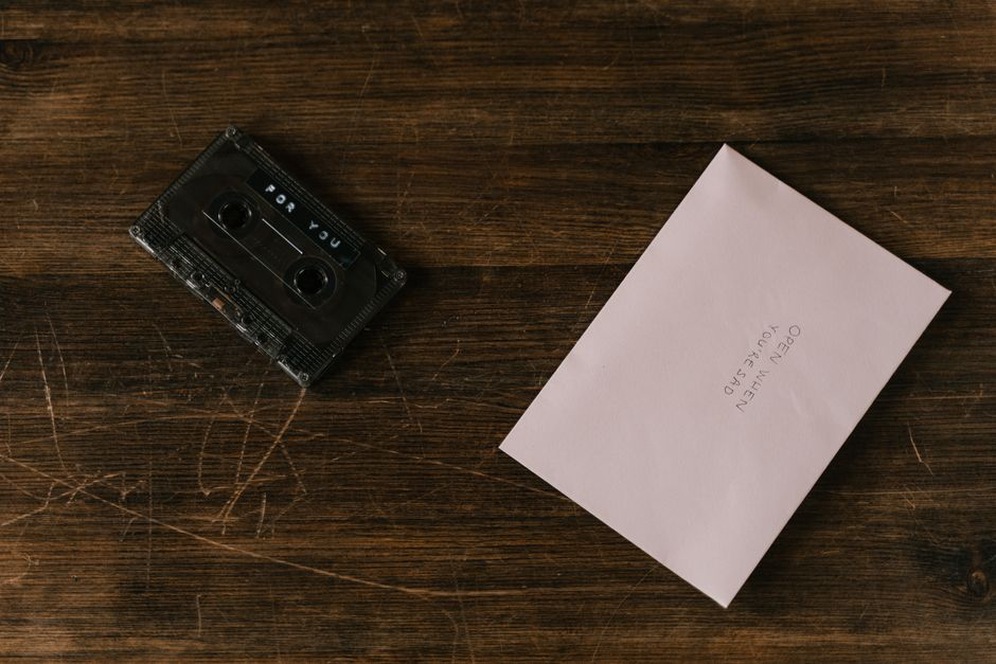
Keep an envelope, insert and reply together if they survive. A legible postmark can place the package on a route; the insert can identify the band; a reply naming favourite songs shows that someone listened and answered. The cassette alone cannot tell that whole story.