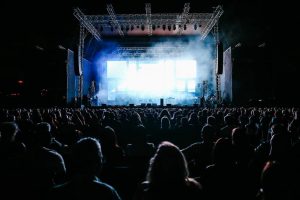
A flyer names a venue, a date and a band. Check those details against another source and you may have the opening for a Finnish thrash archive newsletter: here is what we can establish about this late-2000s or early-2010s show, and here is what we still cannot. That gives subscribers more to work with than a promise of “more history soon.” It also gives them a reason to read the next issue without treating every find as a revelation.
Readers may otherwise encounter the archive’s work in scattered entries: a corrected release credit, a documented tour stop, a comparison between recordings or an account of local concert life. An email can bring one such finding into focus. Make a specific claim, show its basis and keep recollection separate from the historical record. Staying connected does not require sending more mail.
Build each issue around a useful piece of evidence
A recurring “one object, one question” feature is a manageable starting point. Choose a demo sleeve, ticket, festival programme or dated advertisement and ask what it actually tells us. A ticket may establish that a show was advertised at a particular venue; on its own, it cannot prove which songs were played or even that every listed act performed. Say so in the caption. The limit is part of the finding.
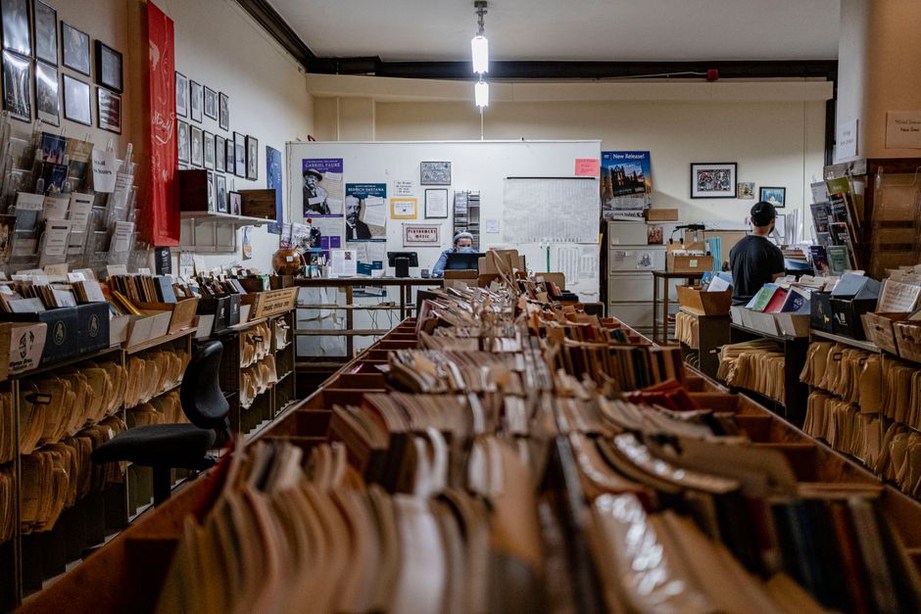
Nor does an issue have to wait for a complete band history. A legible scan and a careful paragraph can stand alone if the archive has permission to reproduce the item. If permission is unclear, describe it and give its identifying details rather than attaching a copy. For privately held material, credit the contributor as they prefer and record the provenance internally.
Try a release-detail note
Collectors spot differences that a general discography may miss: an alternate cover, a changed track order, a distinct catalogue number or a later digital edition. Set out the variants the archive has verified, and mark the rest as unconfirmed. Do not call a copy a “first pressing” unless the object or supporting documents establish its place in the sequence. Ask readers for the catalogue number and printed credits on copies they own, rather than unrestricted files of the recording.
For the wider context of how formats affected circulation, point readers to the archive’s discussion of Finnish thrash demos moving from physical copies to digital releases. The email should contribute a new observation, not repeat the post.
Give listeners something to hear more closely
New documents are not the only reason to write. A brief listening prompt can draw attention to a recording readers already own or can access lawfully: the way a drummer controls a fast passage, a riff’s shift in rhythmic emphasis, or a quieter introduction that returns later. Identify the recording precisely, distinguish a released version from a demo if both exist, and stick to what can be heard rather than guessing at the band’s intentions.
Three sentences are often enough: locate the passage, describe an audible detail, then say what it does for the song. If timestamps differ between editions, use a cue such as “after the second chorus.” Readers should be able to test the observation by listening instead of taking “raw” or “technical” on trust.
A comparison works best with clear limits. The openings of two independently released recordings might show contrasting guitar sounds; they cannot establish what an entire city’s scene sounded like. If the archive cannot license an audio excerpt, describe it without embedding or distributing the track.
Make corrections and open questions visible
A correction is worth an email when it changes how a record is understood. Give the earlier wording, the revised wording and the evidence for the change. If a flyer spells a band’s name one way and a release sleeve another, retain both spellings with their sources rather than silently standardising them. Readers can then see how the chronology is being assembled.
An “open question” section should ask for evidence, not rumours. For instance: “We have an advertisement for this date but no confirmation that the show took place. A ticket stub, contemporary review or dated photograph may help.” Do not solicit personal information about musicians or publish private correspondence without consent. Verify a reader’s lead before changing a public entry, and ask how they want to be credited.
Choose newsletter ideas that fit distinct interests
Some subscribers follow release documentation; others care more about concert history. A short sign-up choice—release documentation, live-history research or occasional archive updates—can spare the latter a dense pressing-variant note. Keep the options manageable. One reliable monthly email serves a small archive better than three categories it cannot update consistently.
- From the catalogue: A verified release detail, with the evidence used to identify the edition.
- From the gig file: One documented venue, festival appearance or tour stop, with gaps stated plainly.
- Listening note: A short, testable observation about a recording, without an unauthorised audio attachment.
- Source request: A narrowly defined appeal for a dated flyer, programme or other missing document.
- Archive change: A correction or newly supported attribution, linked to the relevant entry when available.
These are options, not five slots to fill every time. One well-sourced correction can be a whole issue. If there is nothing substantial to report, skip a scheduled send rather than recycle an old claim as news.
Use the subject line and layout to set expectations
Name the reason for the email in the subject line. “New evidence for a 2012 show listing” is more informative than “Thrash archive update”; “Two sleeve variants compared” makes a clear promise. Use “confirmed” only when the body explains what confirms the claim. If a date or credit remains unresolved, say that instead.
Make the first screen useful even when images are blocked. Open with a plain-text sentence stating the main finding, then show the image with its caption. Transcribe the essential wording from a flyer or sleeve so nobody has to decipher small print in a scan. Alt text helps, but the source, date and uncertainty also belong in ordinary prose. A reader on a phone should understand the point without opening an attachment.
For a longer story, give the finding in the email and direct subscribers to the full archive entry. A list of bare headlines is no substitute for a paragraph explaining why a source changed the record; that paragraph should stand on its own in the inbox.
Let replies improve the record, not just the numbers
Ask one answerable question tied to the issue, rather than “What do you think?” Does a subscriber’s copy have the same printed credits? Do they hold a dated programme for the advertised show? Specify what evidence would help, what information they should withhold and whether you might quote their reply. A memory can point towards a source, but it is not independent confirmation of a date.
To judge whether the exchange is useful, look at relevant replies, document-backed corrections, visits to the entry discussed and unsubscribes after particular types of issue. Mail software can affect open-rate tracking, so do not rely on that number alone. The archive’s guide to choosing analytics metrics for an independent music archive considers how to match measurements to editorial goals. For this newsletter, one documented correction may count for more than a high click count on an imprecise headline.
Keep the subscriber list separate from the historical collection
Someone who shares a scan has not agreed to receive marketing email; a subscriber has not agreed to have their reply published. Require an explicit sign-up, explain the expected frequency, offer an easy unsubscribe option and keep subscriber information only as long as needed. Check applicable email and privacy requirements before collecting addresses, particularly if readers live in several countries.
Keep contributor records, reproduction permissions and subscriptions distinct. Then a request to leave the mailing list will not erase the record of how a document was authenticated, and a donated item will not be mistaken for permission to publish someone’s personal details.
Plan one issue readers can use immediately
For a first issue, consider a documented discrepancy: a concert advertisement gives one date, while the archive entry gives another. Open with that difference. Reproduce the advertisement with permission, or describe it; say whether a second source supports a correction, and revise the entry only as far as the evidence allows. Close by asking for a dated ticket or programme for that event, and tell readers how you would credit a contribution. Even if the date remains unsettled, the email has given them a precise question to help answer.