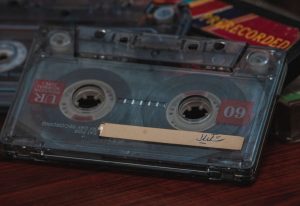
A cassette entry says 2011; the band’s discography says 2012. Before changing either date, check what each refers to. A sleeve might document an original release, while a later digital edition carries its own year. If both dates are valid, say so beside the entries. If one is wrong, correct it. A small contradiction can make the rest of a Finnish thrash-metal archive harder to trust.
The record of independent releases and gigs from the late 2000s to the mid-2010s is rarely complete. Readers do not need an archive to pretend otherwise. They need to see what a page claims, what supports it, and how to reach the material they came for.
Make uncertainty visible at the point of use
A release date can stand for several different events: recording, a limited demo run, a digital upload, or a later physical edition. If a sleeve gives only a year, publish the year; do not invent a day and month to make the entries uniform. When sources conflict, put a short note beside the date rather than a general disclaimer elsewhere: “Sleeve lists 2011; the later digital edition lists 2012.”
Gig listings need similar care. A surviving poster shows that a concert was advertised, not necessarily that every listed band played. Where it matters, distinguish an “advertised lineup” from a “confirmed performance.” That gives readers a fairer sense of what the archive can establish.
Leave a trace when a substantive correction is made. If “first album” becomes “first full-length album,” a brief dated note explaining the change is helpful to a collector who remembers the earlier wording. Spelling and formatting fixes do not need a public log.
Use labels that match the evidence
- Confirmed: supported by a physical release, contemporary announcement, or another identifiable primary record.
- Reported: attributed to a named account, with its limits made clear.
- Unverified: retained only when the uncertainty itself matters; otherwise, leave the claim out.
Use these as plain language in an entry, not as badges meant to look authoritative. If a claim cannot be traced to a record or account, marking it “unverified” does not make it worth publishing.
Put identification details before atmosphere
Someone identifying a record needs the artist, title, format, supported release year, and edition before a description of the sound. On a cassette page, say whether the image shows the original sleeve or a later reissue. If editions have different track lists, name the edition represented by the one on the page. These details tell a collector more than “rare,” which might mean a documented short run or simply an unfamiliar item.
There is still room to write about the music. “Fast, tightly picked riffs with an audible debt to classic thrash” gives a listener something to listen for; “essential underground masterpiece” offers a verdict without evidence. Describe rough production as it sounds rather than guessing at equipment or studio conditions. And when a band’s history has gaps, resist turning a few known releases and performances into a neat story of progress.
Titles and headings should be just as exact. “Band Name — recordings” is more honest than a heading promising a complete discography when the archive documents only selected releases. A visible “Last reviewed” date can help on a changing page, but only if someone has actually reviewed it. An automatically refreshed date says nothing about accuracy.
Fix what the visitor can test immediately
Broken navigation is easy to spot. Open an entry on a phone, follow its discography link, return to the band page, and try to read an image caption without zooming. If “Gig history” leads only to a short biography, rename the menu item or add the missing material. If an old URL has moved, redirect it to the corresponding entry, not a homepage that makes readers search again.
Check images in the same way. A poster may document an advertised date, but its tiny lettering can be useless on a phone. Transcribe the relevant venue, date, and billing nearby, and mark anything you cannot read. Give the image a concise description for visitors who cannot see it; alternative text should not claim more than the image shows.
Older band pages and other external references can disappear. Start by checking the references on the archive’s most-used entries rather than attempting every link at once. If a cited page is gone, keep whatever citation details you have and look for another reliable record. If the claim can no longer be verified, narrow or qualify it instead of silently presenting it as settled fact.
A short page-level inspection
- Read the title and first screen. Can a newcomer tell which band, release, or event the page covers?
- Check dates, formats, track lists, and image captions against the evidence named on the page.
- Follow the internal links, then test the most important external reference.
- View the page at a narrow screen width. Look for clipped text, unreadable images, and controls that are hard to use.
- Record substantive corrections so the next editor knows why the wording changed.
Do this one entry at a time. It leaves you with specific repairs to make, rather than a redesign plan that lets existing contradictions sit untouched.
Show who is responsible without inventing authority
An independent archive does not need to sound institutional. A short editorial note can identify who maintains it, what material it documents, and where to send a correction. Keep the promise realistic: submissions will be checked against identifiable evidence before an entry changes. Do not promise to verify every recollection or reply within a set time unless you can.
Put a correction route within reach of the entry. Someone reporting a wrong release year should be able to name the page, point to the disputed claim, and share supporting material. Ask for those details, but leave room for readers who have only a partial lead. Before naming a contributor or quoting private correspondence, get their permission.
Be equally direct about what the archive has examined. Do not imply you have handled an original cassette if you have only seen a photograph. “Track list transcribed from a sleeve photograph” and “format reported in a contemporary announcement” both tell a future editor what to recheck if better material turns up.
Keep outward links and reader data proportionate
A reference should support the claim beside it. The Encyclopaedia Britannica’s overview of heavy metal can supply broad genre context, but it cannot verify the pressing details of a Finnish demo. Keep general background separate from documentation of a particular release.
Trust can also improve when a site asks for less. A correction form needs no postal address or phone number. If email is optional, say so and explain whether it will be used only to clarify the submission. Avoid adding third-party tools to an entry just for convenience: they may collect visitor data or fail to load when the entry itself is all the reader needs. The archive’s guide to HTML privacy and preventing referrer leakage, tab-napping, and third-party tracking covers those technical risks in more detail.

If an external link opens a new tab, handle that safely and make the behavior predictable. Use descriptive link text when a reader is leaving the archive; an icon alone may not explain where they are going. None of this should get between a visitor and the entry or require them to accept a tracking prompt to read it.
Choose repairs by their effect on a real entry
Some errors matter more than others. A wrong track sequence or an unsupported claim that a musician played on a release can mislead researchers and collectors; fix those first. Then tackle broken paths to primary material, misleading headings, and captions that cannot be read. Punctuation can wait.
For a manageable weekly check, pick one frequently visited release entry. Compare its heading, format, year, track list, caption, and citations with the material the archive has. Note what you verified and what remains qualified. If the sleeve gives only a year, keep that year in the original release field and put a later edition’s date beside the later edition.