“Finnish thrash demo, rare” tells a record buyer almost nothing about the copy for sale. Is it an original cassette or a later edition? Which tracks are on it? Has it been played, and does it come with its printed insert? Answer those questions before calling it rare. In a small underground scene, packaging and distribution can vary; the details help listeners identify an edition and judge the condition of the copy in front of them.
A listing has two separate jobs: identify the release and describe this particular copy. Release details should be checked against the packaging or a reliable discography. Condition and contents require direct inspection. A general account of an album cannot tell you whether the copy on hand has every insert, track or printed detail associated with it.
Start with the questions that determine a purchase
A listener exploring Finnish thrash from the late 2000s may want to hear how a recording fits into a band’s output. A collector comparing editions will look for a label, catalog number and sleeve details. Someone buying a cassette to play needs to know whether it has been tested. A clear listing can serve all three by putting verifiable facts first.
- What exactly is this? State the artist, release title and format, then identify the edition as precisely as the evidence allows.
- What will I receive? List the sleeves, inserts, cases and other components included, and say what is missing.
- What condition is this copy in? Describe visible wear separately from playback results. Never imply a test took place if it did not.
- Is it the version I expect? Give the track listing and note verified differences, such as another cover or an additional track.
- How was it issued? Distinguish a documented self-release, label issue or later edition from a guess based on appearance.
These questions are also a useful check on a draft. “Early demo” says little without evidence for the date or edition; an accurate transcription of the cassette spine may say more. “Excellent sound” leaves a practical question unanswered if the listing never says whether the tape was played.
Identify the release without inventing a history
Transcribe first, interpret second
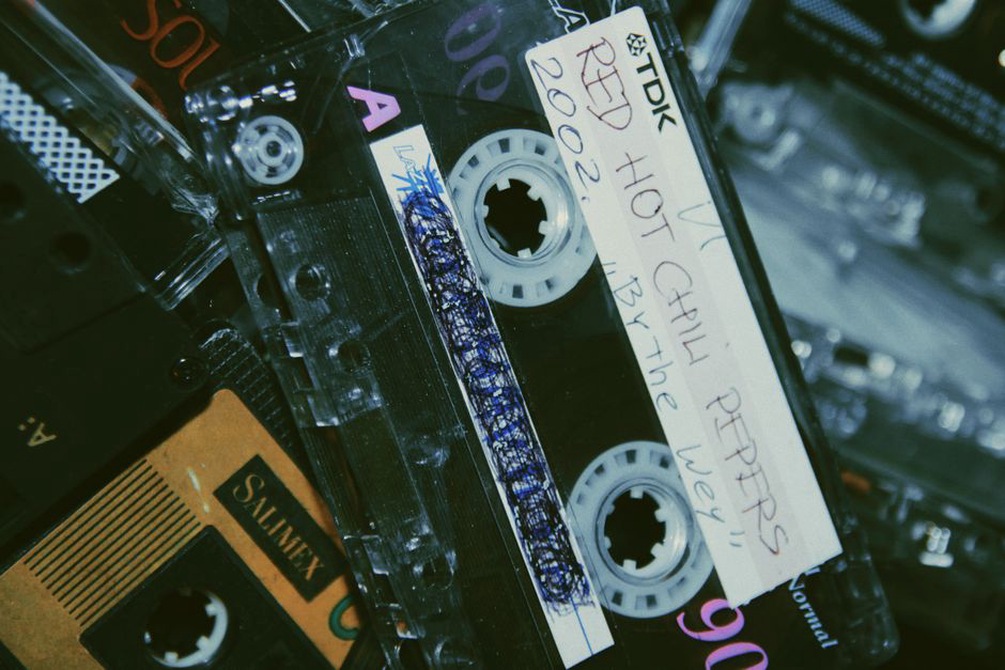
Start with the object: front cover, spine, disc or cassette labels, rear panel and inserts. Keep the printed spellings, even if later online listings use different ones. A catalog number can help separate editions that share a title. If none is printed, say that no number is visible rather than borrowing one from an unverified listing.
Take the same care with dates. A copyright date on the packaging, a recording year in the notes and the issue date of this edition may all differ. If the insert says the music was recorded in 2011, write “recorded in 2011, according to the insert”—not “2011 first pressing.” A Finnish thrash recording may have circulated as a demo before appearing in another format, and collectors tracing that path need the distinction.
When you cannot establish an edition confidently, describe what you can see: format, cover design, printing, legible matrix or runout text, and label information. “Edition unconfirmed; this copy has a black-and-white folded insert” is better than an unsupported pressing claim. If a distributor’s description conflicts with the copy itself, point out the conflict rather than choosing the more attractive account.
Keep scene context proportionate
A little context can help a listener place a recording. If you have checked both versions, you might note that a demo has a rougher arrangement than the later album take. A documented label connection is useful too, as are audible traits: rapid riff changes, shouted vocals or a raw rehearsal-room sound. None of those observations, on its own, establishes a band’s influence on the scene.
Skip claims such as “legendary,” “the band’s breakthrough” or “played at every local show” unless they can be supported. They rarely help identify the item, and underground histories often have gaps in their documentation. What is audible, printed or credibly documented gives readers more to work with.
Make condition statements that can be checked
Condition cannot be covered by one adjective. A clean sleeve may hold a disc with audible damage; an intact cassette shell says nothing certain about playback. Describe the components separately and state the most significant defect plainly. A general grade can sit alongside those details, but not take their place.
- Vinyl: Note visible marks, warping and label wear. Say whether it was played or only inspected visually.
- Cassette: Check the shell and labels, mention visible damage to the tape or pressure pad, and say whether it was played. Do not promise reliable playback on every deck.
- CD: Describe the playing surface and packaging separately. If tested, say whether you played the whole disc.
- Printed material: Identify creases, writing, tears, moisture marks and missing pages. Do not assume this copy has an insert because one appears in a photograph of another copy.
“Light scuffs visible on the disc; played through once without a skip on the test player” tells a buyer more than “near mint,” while keeping the claim within what was observed. If suitable equipment is unavailable, “visually inspected, playback untested” is useful information. “Appears fine” hides the limitation.
Use photographs of the actual copy, including any damaged areas, and name those defects in the text as well. A small image may not show a crease clearly. A photograph of another edition must not stand in for the item on offer.
Describe the music without disguising opinion as fact
Heavy-music buyers may want to know whether a recording sounds polished or abrasive, whether it stays fast or shifts pace. A brief listening note helps, but sound judgments are subjective and can depend on the playback copy. “Guitars sit forward in the mix and the vocals are noticeably distorted” is more informative than “crushing production.” If you have not heard the recording, do not imply that you have.
Comparisons work best when they describe a feature, not an undocumented connection. “The brisk, tightly picked riffs recall classic thrash conventions” describes a sound; saying a band was “inspired by” another group makes a claim about influence. Genre labels need similar restraint. Punk-like brevity can sit alongside thrash riffing without a short listing settling every boundary. For a closer look at that overlap, see Hearing Punk and Thrash in Finnish Metal.
Pay particular attention to versions. A title appearing on both a demo and an album does not mean the recordings are identical. If an earlier take might be the reason someone buys the item, say whether you have verified that it is different. Otherwise, say only that the title also appears on the other release. An accurate track order, spelling and durations, when available from reliable sources, may distinguish editions better than a broad description of style.
Put answers in an order that is easy to scan
Lead with the artist and title, format and identifiable edition. Follow with contents, condition and testing, track information, then a short note on the music or its context. Buyers can check first whether it is the recording they want, then read on.
On an archive showing several editions of one release, consistent fields make comparisons easier: “Format,” “Printed label,” “Catalog number,” “Included material” and “Playback test.” Save prose for an unusual variation that needs explaining. If a page also offers a copy for sale, make clear which details belong to the archive entry and which describe the available copy. That distinction is part of the navigation problem discussed in Better Navigation for an Independent Music Archive.
A compact before-and-after example
Vague: “Rare Finnish thrash cassette in great shape. Killer early material. Complete.” Which edition is it? What does “complete” include? Does the tape play?
Useful: “Cassette edition of the release named on the cover; no catalog number is visible on the shell or insert. Includes the folded, single-sheet track list shown in the photos. Shell has light surface wear; the insert has a crease along its fold. Playback has not been tested. The printed track order is transcribed below.” This avoids an unsupported date or rarity claim and shows exactly where verification stops.
Before publishing, check the draft against the copy again. Match the title to the spine, count the tracks on each side and confirm that every item listed as “included” is present. If the cassette label and insert give different track orders, transcribe both and name their sources. That small discrepancy could be what an edition-conscious buyer needs to know.