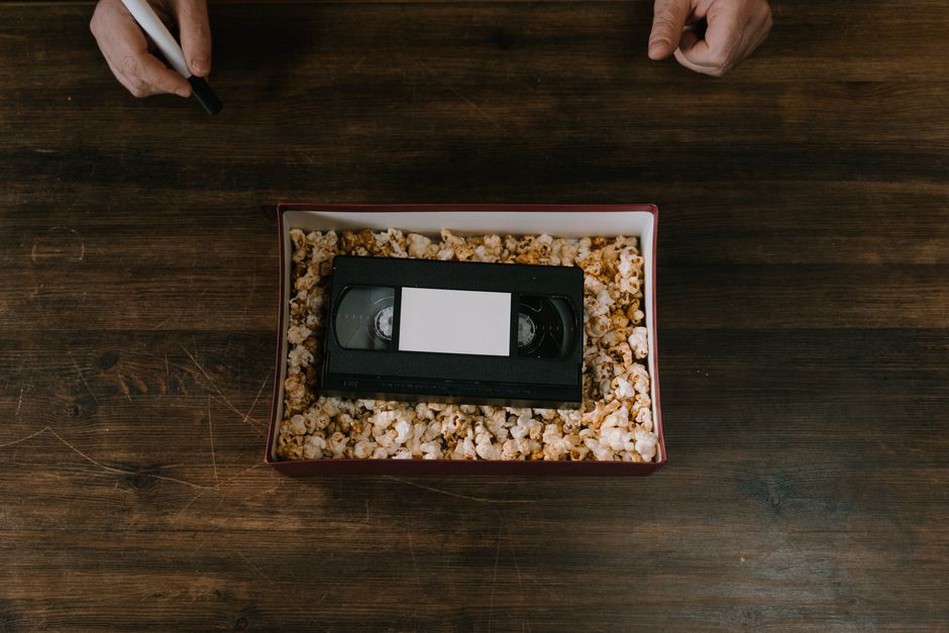
“Was this demo released in 2011 or 2012?” An archive FAQ needs to say what each date refers to before it picks an answer. The cassette sleeve may bear one year, while a surviving event flyer shows that copies were available at a later date. Giving only one year makes the record look settled at the very point where a collector needs to know what the sources actually say.
Visitors to a Finnish thrash archive may be checking a release before buying it, looking for evidence of a show, or deciding whether to send in a scan. An FAQ should help them judge what the archive knows, what remains unverified, and how they can use its material. Short answers are welcome; false certainty is not.
Give the FAQ a defined job
An FAQ cannot replace a discography, band history, or contact page. Its best questions recur across entries and affect how readers interpret the archive. “Why do some release dates differ?” belongs here; the full track list for one cassette belongs on that cassette’s entry. “Can I submit an old gig flyer?” fits an FAQ; the terms of a particular digitization project may need a page of their own.
Before drafting, write a one-sentence scope statement, such as: “This page explains how the archive identifies releases, handles uncertain evidence, and accepts corrections.” It can remain an internal editing test. When a proposed question falls outside that scope, put the information where readers are more likely to look. An FAQ that collects every stray detail becomes hard to use.
Name the subject plainly, too. “Archive FAQ” tells a visitor more than “Things You Asked.” If the page covers only recordings and submissions, say so. An accurate label does more work than a claim of authority.
Choose questions with consequences for the reader
Start with questions that resolve a decision or prevent a misunderstanding. Correspondence, corrections, search terms, and recurring confusion on record entries can all show what readers need to know before relying on an entry, contacting the archive, or sharing a photograph. There is little value in inventing questions just to praise the collection.
For an archive of Finnish thrash from the late 2000s to the mid-2010s, an initial set might ask:
- How does the archive distinguish an original demo from a later reissue?
- What does a date mean when the sleeve, announcement, and documented availability differ?
- Are shows listed only when supporting material has been checked?
- Can a visitor suggest a correction or submit a flyer scan?
- Does the archive provide recordings or copies of out-of-print releases?
- May photographs or scans from the archive be reused?
The first two help collectors identify what they are looking at. The show question sets an evidence threshold. The last three explain what the archive can receive or provide, and whose permission may be needed. A question that concerns only one band or event should usually be answered on that entry.
Phrase questions as visitors would. “Is this the first cassette edition?” is easier to find than “What are your criteria for release-state differentiation?” Introduce any necessary archival terminology in the answer.
Answer first, then show the basis
Put the essential answer in the first sentence. Then give its basis, its limit, and a next step if needed. For example: “We list a show only when we can connect it to a dated source such as a flyer, venue listing, ticket, or contemporary account. An undated recollection can help us investigate, but it does not by itself establish the date.” That leaves room for a contributor’s memory without treating it as proof.
Different claims need different wording. “The sleeve states 2012” reports what is printed on an object. “Copies were available by March 2012” concerns distribution and calls for other support. “Released in March 2012” may imply a date that neither source establishes. Explain the distinction in the FAQ so individual entries need not repeat the whole method.
Keep simple answers to a short paragraph; give rights or evidence questions more room when they need it. If the full explanation would crowd the page, answer directly and point readers to the relevant entry or policy page, if one exists. The FAQ should spare them work, not reproduce the entire site.
Show the boundary between evidence and inference
Underground releases often leave thin records. A copied inlay, a photograph of a merch table, and a later recollection can point in the same direction without establishing the same facts. Explain which details the archive transcribes from an item, which it confirms through other material, and which remain provisional. Use labels such as “attributed,” “reported,” and “unverified” consistently across the site.
One answer might say: “A year printed on a sleeve is transcribed as a sleeve date. We call it a release date only when other evidence supports that description. Where sources conflict, the entry notes the conflict rather than silently choosing one.” Readers can then apply that distinction throughout the discography, not just to disputed entries.
Make corrections possible without promising instant certainty
“Contact us if anything is wrong” gives little guidance to someone holding a better scan or a contemporary set list. Ask for the entry concerned, the disputed detail, suggested wording, and a description of the supporting item. If a visitor has an image, request permission to examine it; do not assume permission to publish it.
Describe what happens next in ordinary terms: the archive can acknowledge a submission, compare it with existing material, revise the entry if warranted, and note substantial corrections. Promise a fixed response time only if the people maintaining the archive can meet it. A correction also differs from a disagreement between sources; two contemporary accounts may conflict without either contributor acting in bad faith.
An answer to “How can I correct a concert listing?” could read: “Send the listing title, the detail you believe is wrong, and any dated flyer, ticket, venue notice, or other supporting material you can describe. We check submissions against the entry’s existing evidence and may retain a note when sources disagree.” Contributors know what will help, and an unresolved case can stay unresolved.
Handle recordings, images, and permissions plainly
Be direct about access to rare music. An archive can document a demo without having the right to distribute its audio. Say whether the site hosts recordings, and do not suggest that an out-of-print title is free to copy. “We do not supply unauthorized downloads or duplicate physical releases” says more than calling files “currently unavailable.” If some audio appears with permission, explain that exception without implying it covers every item.
Scans and live photographs raise their own questions. Owning a cassette or holding a scan does not necessarily confer permission to republish artwork or another person’s photograph. Distinguish permission to review an image from permission to display it, credit it, or license it for reuse. If terms vary by item, direct visitors to its credit and permissions note rather than treating the collection as one pool of reusable material.
Consider personal information as well. An old concert flyer may carry a phone number, home address, or name printed for a local audience at the time. The FAQ can say that submissions are reviewed before publication and that sensitive details may be obscured. It should not promise to reproduce every document unchanged.
Arrange the page around likely tasks
For a longer FAQ, group questions by what visitors are trying to do: “Reading release entries,” “Checking concert information,” “Sending corrections or material,” and “Using archive images and audio.” Put the most consequential questions first in each group. Someone comparing cassette editions should not have to read through submission procedures to learn how editions are identified.
Give question headings distinct purposes. “What is your evidence policy?” and “How do you verify entries?” could produce nearly identical answers. Combine them, or make one explain source labels and the other explain how new material changes an entry. Slightly different wording can otherwise make readers suspect a distinction that was never intended.
Use a clear heading hierarchy and visible answers. If answers sit in collapsible controls, give each control a descriptive label rather than an unexplained “More.” Phone, keyboard, and assistive-technology users should be able to reach the same information. The archive’s wider guidance on making a music archive accessible without losing its character can cover layout and controls in detail; the FAQ should put that guidance into practice.
Use examples that teach readers how to interpret an entry
A small hypothetical case can make an abstract policy useful. Suppose an entry identifies a cassette from a sleeve photograph but has no confirmed pressing quantity. An answer about rarity could explain: “A numbered copy establishes the number on that copy; it does not, by itself, establish the size of the full run.” It heads off an appealing but unsupported claim.
Concert histories need a similar distinction between a planned bill and a confirmed performance. A dated flyer shows that a band was advertised; it may not prove the band played, that the lineup stayed the same, or that the running order matched the print. Define what an event listing means on this archive rather than declaring every listing “verified.”
Mark constructed cases as hypothetical. Use a specific archival item only when the evidence and permission to discuss it are in place. An unsourced anecdote in an FAQ can easily be repeated as settled scene history.
Let the FAQ expose gaps, not conceal them
“We have not confirmed that” can be a useful answer. Where possible, name what is missing: a clear photograph of the rear inlay, a dated announcement, or evidence that an advertised show actually went ahead. Ask without pressuring readers to hand over privately held material.
Avoid guarantees that “all dates are accurate” or “every release is complete.” An independent archive may have strong documentation for one cassette and only a contemporary mention of another. Explain how entries show that difference, through source notes, qualified wording, or an explicit “not confirmed” label. Readers need to see how much weight each entry can bear.
Maintain answers alongside the entries they govern
An FAQ can grow misleading as the site changes. If the archive starts accepting scans, stops hosting audio it had permission to share, or changes its dating convention, revise the corresponding answer along with the affected pages. Give each policy area an editor, even if one volunteer covers several, so old answers do not contradict newer entries.
Review the FAQ when corrections arrive or a pattern of confusion emerges. If several people ask whether a digitized sleeve shows the first edition, clarify the edition label on the entry as well as the FAQ answer. If a term in an answer puzzles readers, replace or explain it instead of adding a second question to define it. The underlying record should improve along with the help page.
Before publishing an answer about edition dates, try it against a disputed entry. Read the FAQ, then check that entry’s date field and source note. If the answer says printed sleeve years are labeled as such but the entry calls one a confirmed release date, correct the entry or the answer before either goes live.