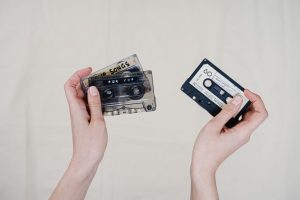
“Finnish thrash metal 2012 demo” might be a collector’s attempt to identify a cassette, a listener’s search for a band’s early sound, or a check on whether two editions contain the same recording. The words alone cannot tell you which answer belongs in an archive post. Work out the question behind them first: does the reader need an identification, an edition comparison, or a documented account of how the music changed?
Search intent is the reader’s immediate task
Search intent means what someone hopes to do with an answer, rather than simply the terms they typed. In a music archive, that might mean finding a credit, tracing a connection, distinguishing recordings, or finding reliable sources for further research. “Who played drums on this demo?” calls for a sourced credit. “Why does this demo sound different?” calls for listening and context, with a clear line between documented facts and interpretation.
An accurate post can still miss the mark. A long band history can bury the lineup credit a visitor came for; a discography table can name two releases without helping anyone determine whether they contain the same recording. The reader’s task tells you what to put near the top and how much explanation it needs.
For an archive of Finnish thrash from the late 2000s through the mid-2010s, those tasks usually concern releases, personnel, shows, tours, or a period’s sound. An unrelated search term is no reason to branch into unsourced current news or advice outside the archive’s remit.
Translate a query into a testable reader need
Start with the wording, but do not take it too literally. People leave out dates, use shorthand, and sometimes call a later reissue a demo. Break the query into three parts:
- Subject: the band, recording, venue, festival, or scene in question.
- Action: identify, compare, explain, verify, or find information.
- Constraint: a year, format, lineup, place, or edition.
Take “Finnish thrash band first vinyl.” No band is named, and “first” could mean the earliest recording to appear on vinyl, the first release originally issued on vinyl, or the first vinyl pressing of an earlier album. One unqualified sentence cannot safely answer all three. Research which distinction the evidence supports, then name it plainly.
Comments, correspondence, and conversations at shows can expose similar ambiguities. If collectors repeatedly ask whether a sleeve variation signals a different recording, they need help identifying copies, not a general history of cover art. Their questions tell you what readers want to know; they do not establish the release facts.
Recognize the main intent patterns
Quick factual identification
These searches ask for a credit, date, title, format, or location. Give the answer early, but qualify it where necessary. “The surviving sleeve credits name…” is more precise than claiming to know who performed on an otherwise uncredited recording. Cite the source and acknowledge genuine uncertainty. If sources disagree, say so rather than picking the neatest answer.
Comparison and disambiguation
Words such as “version,” “pressing,” “original,” and “same recording” often signal a need for side-by-side evidence. Compare what readers can inspect or verify: track order, printed catalog number, credits, packaging, and documented recording or mastering details. A different sleeve does not, by itself, prove a new mix. Describe the evidence clearly enough that someone can check a copy without relying on a label such as “definitive.”
Historical explanation
Searches framed around “how,” “why,” “scene,” or “influence” ask about relationships, not just dates. To explain a band’s move from local gigs to European dates, establish a defensible sequence of releases and documented performances. Keep the inferences modest: sharing a bill does not prove a close musical relationship, and a change in sound does not reveal a musician’s motive.
Finding a route to the material
Some visitors want to hear or obtain a release. Where verifiable, an archive can point to official channels, distinguish a demo from a commercially issued release, and describe what is known about availability. Do not direct readers to unauthorized uploads or suggest that a rare recording is easy to find. If access cannot be confirmed, its identification and provenance are still worth documenting.
These needs overlap. Someone looking up a festival appearance might want its date, the lineup onstage, and the recording associated with that period. Answer the main question first, then handle closely related ones below. A post built to answer every possible query often hides the answer people actually came for.
Use search results as clues, not historical evidence
Search results can show how a query is commonly understood. If most results concern an album rather than a similarly named festival, that warns you about ambiguity. A snippet is not proof of a date, personnel credit, or release description: it may truncate text, combine sources, or repeat a familiar error.
Note the likely reader need, then check claims against appropriate evidence: original release credits, period statements from a band or label, contemporary interviews, preserved event material, and dependable reporting. For broad genre background, Britannica’s overview of heavy metal has its place; it cannot confirm a particular Finnish demo’s track list. The source must fit the claim.
Check, too, whether the term has shifted over time. A band name may cover different lineups, and searches for an album title may surface later editions ahead of the original. Adding a year, format, or location during research can bring those differences into view. In the finished post, explain them in ordinary language rather than piling up search phrases.
Turn the intent into an article plan
Before drafting, write the reader’s need in one sentence: “A collector needs to distinguish the original demo from its later reissue.” Build the outline around the evidence needed to do that:
- Identify both editions and state what is known about the relationship between their recordings.
- List visible differences, such as sleeve text and track order.
- Explain documented differences in audio or credits.
- Mark details that remain unverified or vary among surviving copies.
- Add brief band history only where it helps explain the comparison.
That order will not suit every question. A piece about a local scene may need a chronology of documented events and connections. A lineup identification should lead with the credit and its source. Let the visitor’s task, not a fixed article template, determine the space each part gets.
One editing test: cover the answer in your draft and ask whether the remaining background earns its place. A long account of thrash’s global origins rarely helps identify a Finnish cassette edition. On the other hand, a single date is too little if the question is how venues and independent releases sustained a community over several years.
Account for different levels of familiarity
Readers can want the same answer without sharing the same knowledge. A collector may recognize a catalog number at once; a new listener may need to know where to look for it. Define specialist terms when they affect the conclusion. “First pressing” should mean an identifiable manufacturing run, not merely the oldest copy someone has encountered. Call something a “demo” because the evidence supports that description, not because it sounds rough.
People also arrive through different parts of the late-2000s Finnish underground: a festival bill, a European tour, or a recording found in a collection. Brief orientation can connect those entry points without treating them as the same question. Keep documented chronology separate from judgments about style. Fast riffing or a prominent bass tone can be described by listening; a claim that one band influenced another needs more than resemblance.
Know when the evidence cannot fulfill the intent
The answer a reader wants may not survive in the record. A dated flyer can confirm that a small show was advertised, but it cannot supply a complete setlist or, on its own, a detailed account of the performance. Say what the artifact establishes. Do not borrow a typical setlist from another night to fill the gap.
Treat conflicting dates with similar care. A flyer, ticket, contemporary review, and later recollection could concern an announced show, a rescheduled performance, or separate events. Identify what each source says instead of merging them into one confident story. When the conflict remains unresolved, a focused post about the documented artifact may be more useful than a broad account built on guesses.
Reader intent can also tell you when to leave a post unwritten. If the request is only for an unauthorized download, document the release without supplying one. Unreliably sourced personal claims about musicians, unrelated to the music’s history, do not warrant an archive entry.
Check the draft against the original query
In the edit, return to the one-sentence reader need and find where the draft first answers it. Move an identification up if it sits six paragraphs down. If a comparison depends on features readers cannot inspect, replace vague claims with verifiable details or state the limit. Headings should describe the distinctions the post actually makes, not promise a history the evidence cannot support.
Keep adjacent research questions in a separate note. A search for a recording’s personnel may lead to a worthwhile piece on later touring lineups, but the dates and sources need their own treatment. Otherwise, a reader could easily mistake the recorded lineup for the one that played every subsequent show.
For “2011 demo versus 2014 reissue,” put the draft beside the copies—or the available documentation—and check what a reader can verify. Can they locate the distinguishing details? Is it clear which claims concern packaging and which concern audio? If the relationship between the recordings remains unverified, say so beside the comparison, before an apparent verdict takes hold.