
The Visual Language of Finnish Thrash Metal
In the late 2000s to mid-2010s, the Finnish thrash metal scene carved out a distinct identity not just through its music, but also through its striking visual elements. Album art and imagery became essential in defining the genre's character. Finnish thrash bands have crafted a visual language that echoes the raw intensity of their sound, often blending horror, mythology, and dystopian themes to create a captivating style.
Elements of Finnish Thrash Album Art
Album covers in Finnish thrash metal often incorporate a range of thematic elements, such as:
- Mythological References: Many bands draw from local mythology and folklore, featuring mythical creatures or nods to ancient Finnish legends in their art.
- Dystopian Imagery: Reflecting the aggressive and politically charged nature of thrash metal, dystopian themes are common, with scenes of post-apocalyptic worlds and societal breakdown.
- Horror and Gore: Thrash metal's global affinity for horror is evident, but Finnish bands add a unique Scandinavian twist to these elements.
These artistic choices enhance the music's narrative, offering a visual extension to the lyrical themes and musical aggression.
Influential Finnish Thrash Metal Artists
Several Finnish thrash bands have left a mark with their distinctive album art. Notable among them are:
- Stone: Renowned for their intricate and colorful covers, Stone's artwork often features surreal and abstract designs that mirror their complex musical style.
- Axegressor: Their album "Next" exemplifies Finnish thrash aesthetics, combining horror and dystopian themes to match their aggressive sound. The rare demo of Axegressor also highlights their commitment to striking visual presentation.
- Lost Society: This younger band embraces traditional thrash aesthetics with a modern twist, their album art as chaotic and energetic as their fast-paced music.
These bands use album art to express their unique identities within the broader thrash metal genre.
The Role of Independent Artists
Many Finnish thrash bands partner with independent artists who specialize in metal album art. This collaboration fosters creative freedom and often results in more authentic and original artwork. Finnish artists are celebrated for capturing the essence of thrash metal with their distinctive styles.
The contributions of these independent artists are invaluable. They infuse the scene with artistic integrity and innovation, transforming each album cover into a standalone piece of art.
Impact on the Global Scene
The visual choices of Finnish thrash bands have not only shaped their local scene but also influenced the global thrash metal community. Finnish album art is praised for its quality and originality, setting a benchmark that many international bands strive to reach. This influence is evident in the trend towards intricate and conceptually rich album covers in thrash metal worldwide.
Finnish thrash metal festivals, as highlighted in The Thrash Metal Festivals That Defined Finland's Metal Scene, often feature this art, creating an immersive experience that weaves together visual and auditory elements.
Collectibility and Legacy
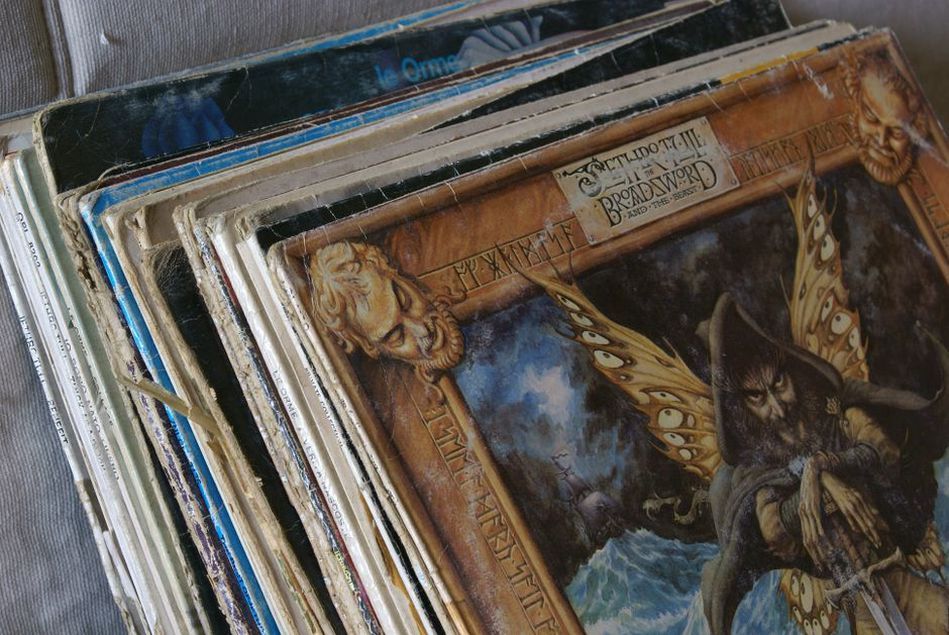
The album art of Finnish thrash metal bands has become highly collectible. Fans and collectors seek out physical copies not only for the music but also for the artwork. Vinyl records, in particular, have seen a resurgence, appreciated for their larger format that showcases the art in greater detail.
This collectibility highlights the enduring impact of Finnish thrash aesthetics. As the scene evolves, the focus on visual identity remains a defining feature, ensuring these albums are cherished by fans for generations.
The aesthetic of Finnish thrash metal is a testament to the creativity and vision of the artists and musicians involved. It stands as a powerful visual extension of the music, enriching the listener's experience and securing the genre's place in the history of heavy metal.