A ten-minute reading break can disappear while you search for a book, charge a device, or decide what to start. Leave a book open to a marked page and you can spend the break reading instead. For a busy reader, that bit of preparation matters as much as motivation: keep one book within reach and decide when you’re likely to pick it up.
Reading doesn’t have to compete with everything else in your day. Give it a repeatable slot that can survive changes in work, care responsibilities, and energy. Ten minutes you can usually manage are more useful than an hour available only on unusually quiet evenings.
Find a window that actually exists
Look at an ordinary week, not an ideal one. When do you wait, ride as a passenger, take a break, or settle down before sleep? Some gaps won’t work: a two-minute queue may be too short to find your place again, and a commute that demands your attention isn’t reading time. A dependable twelve-minute lunch break may offer more than a theoretical free hour after dinner.
Choose a primary window and a backup. You might read for the first ten minutes of lunch, then try a few pages before bed if lunch disappears. The backup isn’t a way to repay missed pages; it’s another chance to read.
- Attach reading to something you already do. “After I put my lunch away, I’ll read until my break ends” gives you a clearer cue than “I’ll read more.”
- Start small. Two pages or five minutes count on a crowded day. Anything beyond that is optional.
- Match the book to your attention. A demanding history may suit a quiet morning better than a noisy break; short essays may be easier to pick up between tasks.
- Leave room for rest. If your only unclaimed minutes are needed for sleep or a genuine pause, leave them alone.
Make the cue specific, but not so rigid that it fails whenever your schedule shifts. “When I sit down with lunch” works across different shift times; “at exactly 12:30” may not survive a late meeting. If mornings seem promising, setting up a less rushed morning routine may help you decide whether reading belongs there at all.
Make starting almost effortless
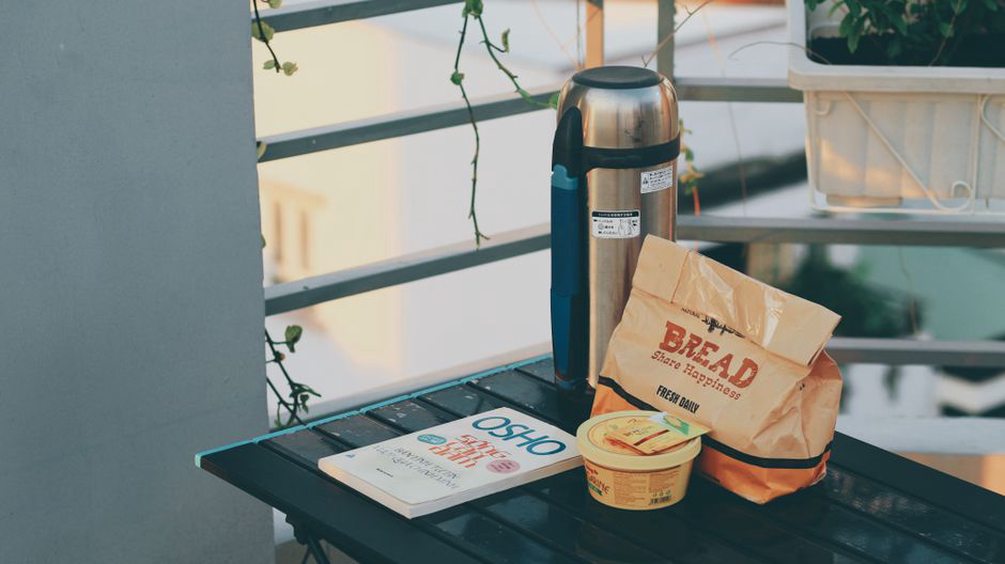
Put the book where you plan to read: beside your lunch bag, on a bedside table, or in a bag you already carry. Use a bookmark so you don’t spend the first minute finding your place. If you read digitally, open the app and download the book before leaving home, especially if you might be offline. Silence nonessential notifications during your reading break if you can.
Keep your active choices limited. A long reading list is handy for later, but it can turn a short break into a search for the right book. Pick one main book and, if useful, a lighter alternative. Choose the next one outside your reading window, whether you’ve finished the first or simply stopped enjoying it. Libraries let you try formats and titles without buying each one or finding room on your shelves.
Choose books for the time you have
You don’t need to stick to short books. You do need something you’ll want to reopen. Clear chapter breaks, essays, short stories, and nonfiction with self-contained sections can make brief sessions easier. A novel with a large cast may still hold your attention; after a few days away, a quick note about the characters or where you stopped can help.
Give a book a fair chance, but don’t make finishing it a condition of keeping the habit. If you keep avoiding a title, it may suit a different time of day or work better as an audiobook. It may simply not be for you. Set it aside, and keep it on a future list if your interests might change.
Use different formats for different circumstances
Print, ebooks, and audiobooks each have practical strengths. A paperback needs no battery, but it needs light and space in your bag. An ebook lets you adjust the text size and carry several titles, though a phone also puts messages a tap away. An audiobook can fit a walk, household task, or trip when you can’t look at a page. Skip it when listening would interfere with safety or concentration.
You don’t have to keep your place perfectly synchronized across formats. Try print in the evening and a separate audiobook during routine chores, so there’s no passage to hunt down. Neither format counts more than the other. Britannica’s overview of audiobooks describes an audiobook as a recording of a book read aloud; choose it when listening suits what you’re already doing.
Don’t assume every spare moment is listening time. A familiar walk may work; finding your way along an unfamiliar route or doing work that requires verbal attention may not. If you miss a passage, pause. Rewind when it matters, and let minor details go when they don’t.

Track the habit without turning it into homework
Tracking helps if it answers one question: have you found a workable time to read? A calendar mark or a simple note of the dates can show whether your chosen window holds up. Page counts tell you less, especially when you’re comparing a dense history with a fast-moving novel. If a streak makes you read only to keep it alive, simplify the tracker or drop it.
For two weeks, record only whether you opened your book during the planned window. If you usually didn’t, check the setup before blaming your discipline. Was the book elsewhere? Did the break disappear? Were you too tired for that title? Change one thing at a time: move the book, shift the window, or choose easier reading. If you usually did open it, there’s no need to raise the target.
What to do when a week falls apart
Travel, deadlines, illness, and family demands can interrupt a routine. A missed day doesn’t leave you owing pages. Pick up the book at the next ordinary cue, even if you read only a paragraph. If your schedule changes for longer, find a cue that fits the new week. Someone who used to read on the train will need another option after switching to a driving commute.
Other readers can give you a reason to return, as long as their pace fits your life. A friend who swaps recommendations now and then may suit you better than a group with a strict weekly target. Check a group’s reading schedule before joining. You can also jot down one sentence about a passage you liked: enough to help you return to the book, without turning it into a formal review.
Fit reading into a wider life, not every empty space
Reading has to leave room for meals, conversations, exercise, sleep, and time with no plans at all. Keeping a short reading slot doesn’t mean filling every pause. If you often reach for your phone before bed, a book nearby might be a welcome alternative. If you’re already exhausted, try an earlier window rather than delaying sleep.
Try it for seven days. Choose a book you’re willing to open, put it beside the activity you’ve picked, and aim for at least five minutes. At week’s end, note which days offered a real opening. If Tuesday’s lunch break worked but Thursday’s never does, keep Tuesday and look for a different backup on Thursday.