A crowded-venue photograph does not prove that a particular Finnish thrash band played there. If you cannot identify the performers, place and date, the image may convey the feel of a gig while suggesting a false connection. Before using it, ask what it shows that the prose cannot—and what a reader might assume it shows.
Images in a music archive can preserve details that take too long to describe: the lettering on a self-released demo, the running order on a gig flyer, the layout of a small venue. They can also weaken an otherwise careful account. A wrong caption can attach one band's history to another band's performance; a tight sleeve crop can hide the catalog number a collector needs. Choosing an image is editorial work, not decoration.
Give each image a job
Decide what the article needs before looking for a file. Is the image there to document an object, compare editions, clarify a location or let readers inspect a visual feature? A close-up of a cassette spine belongs in a discography entry if it distinguishes one edition from another. It contributes less to a piece about changes in a band's live sound, unless that release is part of the argument.
Try writing one sentence about each proposed image: “This flyer shows the advertised lineup and venue for the performance discussed below.” If all you can say is that it makes the page more exciting, the image is probably optional. That does not make it bad, but it should not break up a short historical account or require a caption that outruns the evidence.
In an underground-music article, an image might serve as:
- Primary evidence: a legible release insert, poster or program bearing on a specific claim.
- Object identification: a sleeve, label or cassette shell that distinguishes editions with similar titles.
- Visual context: an accurately identified venue or rehearsal space that helps explain the conditions described.
- Comparison: details of two cover printings, shown large enough for the difference to be seen.
Some things are better left to prose. An unrelated amplifier photograph tells readers little about guitar tone, pacing or production. A few images with clear jobs will do more for the account than a gallery of loosely connected memorabilia.
Match the image to the claim beside it
Placement creates associations. Put a live photo directly under a paragraph about a band's European dates and readers may take it for a tour photograph, even if the caption says only “live performance.” If its date or location is uncertain, move it away from the tour discussion, call it an undated performance or leave it out. Proximity is not evidence.
Release artwork needs the same restraint. A sleeve shows what a particular copy looks like; it does not necessarily establish a release date or recording circumstances. A poster records what was advertised, not whether every listed band performed. When the flyer is the only record, “The flyer advertises a four-band bill” is more accurate than “Four bands played.” The distinction does not make the object any less useful.
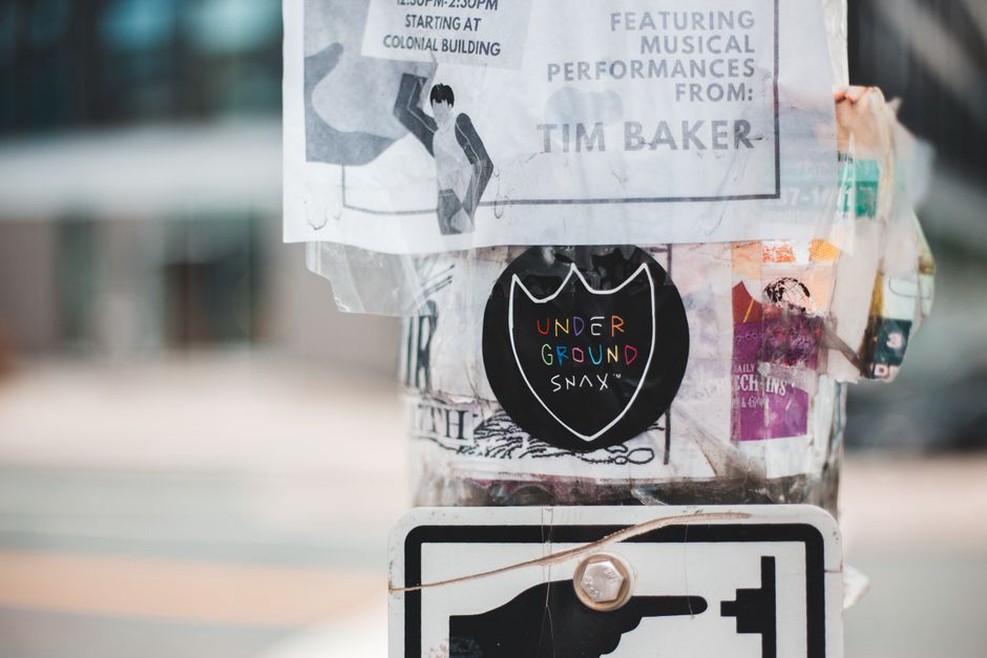
If the subject is classic thrash aesthetics, show something readers can examine: hand-lettered logos, the texture of a photocopied flyer or cover typography. A random long-haired performer might suggest a mood, but cannot document a specific Finnish group or event.
Check identity, date and context before publication
A filename is a lead, not a caption. Someone may have named a file “tour_2012_final” years after the photograph was taken. If an image supports a historical statement, note how its subject was identified and where that information came from. A contemporary program may establish a venue name; a photographer may confirm who appears in a frame; a physical release can be checked against its printed credits.
Keep three kinds of information separate:
- Visible facts: words, objects and people identifiable in the image itself.
- Documented context: a date, place, creator or edition established by another record.
- Inference: a plausible reading that has not been independently confirmed.
This matters when scans have passed between collectors. A poster may print a date clearly while the digital file has no trustworthy history. You can report the printed date without claiming to know when the poster was made or whether the show went ahead. A sleeve photograph may reveal a catalog number but still leave the pressing uncertain if the rear insert and disc label are missing.
Use what you can support. “Front cover of an unidentified printing” tells readers something useful without turning a guess into a discographic fact. If the remaining uncertainty would mislead readers at that point in the article, pick another image rather than hiding the qualification in a distant note.
Choose for legibility at the size readers will see
The most interesting scan in an archive may be useless at article-column width. Reduce a full A4 flyer to a narrow screen and the band names, venue and admission price may become unreadable. If the article discusses the lettering, a labeled detail crop may work better. Keep the complete scan in the archive record if it belongs to the collection, but do not present a crop as the whole object.
Check each candidate at roughly its displayed width on a phone and on a larger screen. Can readers still see the feature named in the paragraph? For a cassette-edition comparison, a photograph of two full cases taken from several feet away may look good but answer nothing. Straight-on details of the differing spines may be what a collector needs.
Legibility does not require making an object look new. Heavy sharpening can turn photocopy grain into false edges; aggressive color correction can make aged paper seem freshly printed. Straightening a crooked scan or adjusting exposure is one thing, reconstructing missing letters another. Record any edit that could affect what readers take as evidence in the caption or collection record.
Use enough resolution for the displayed size, but do not upload an enormous master merely because you have one. If the archive keeps a high-resolution original, preserve it separately. The article can use a smaller derivative, with its crop and tonal adjustments recorded, without making the web copy the only surviving version.
Clear rights before selecting a final file
Owning a poster, cassette or photograph does not automatically give you permission to publish a digital reproduction. A photographer may hold rights in a concert photo, while sleeve art and flyer design present their own questions. Before an image becomes central to the article, establish who made it, what permission or applicable exception covers its use, and whether credit or reuse conditions apply. Laws differ by jurisdiction; neither small size nor age automatically makes a scan free to publish.
Keep a short internal record of the source file, known creator or rights holder, permission status, permitted uses and required wording. If permission is pending, make sure the article still works without the image. Do not base an essential identification claim on an asset you may need to remove.
Personal concerns matter, too. A close crowd shot may identify people who have no part in the story. Another frame, or a crop that retains the relevant stage detail, may be the better choice. Credit the maker accurately: a filename does not establish who took a photograph, and a donor did not necessarily create everything they supplied.
Write captions and alt text for different purposes
A caption explains why an image appears at that point. It can identify a verified object, date or venue, draw attention to a relevant detail and state a limitation. Where the article discusses an advertised show, “Flyer advertising the venue and listed lineup; whether the full bill performed has not been confirmed” is useful. “Finnish thrash history” tells readers almost nothing about the item.
Alt text has another job: conveying relevant visual content to someone who cannot see the image. For a release comparison, “Two cassette spines with different catalog numbers” may help more than repeating the caption's edition history. A decorative image rarely needs a long description. Keep uncertain dates, promotional language and whole paragraphs out of the alt attribute.
If tiny printed text is central to a claim, quote the relevant words in the article rather than relying on alt text for a full transcription. Then describe the scan briefly in the alt text. Sighted readers on small screens benefit from that transcription as well; neither a caption nor a scan should pretend every line is legible at display size.
Use illustrative images without creating false history
There may be no verified photograph of the show, venue or release you are discussing. A general image can still explain a process: a clearly identified example of a photocopied flyer, for instance, can show what that reproduction method looks like. It must not sit or read as if it came from the event in the article. Contemporary stock photos of stage lighting or audiences are particularly easy to mistake for period documentation among genuine archive images.
If an illustrative image earns its place, say plainly what it is and caption what it actually depicts. Do not assign it a made-up date or let its position imply a connection to a named band. An unillustrated passage is better than one that quietly changes the historical record.
Before publishing a piece about a particular demo edition, open the draft at phone width. Look at the image beside the edition description: can you read the catalog number cited in the prose? If not, use a labeled spine detail there. Save the full-case view for a passage where the object's overall design matters.