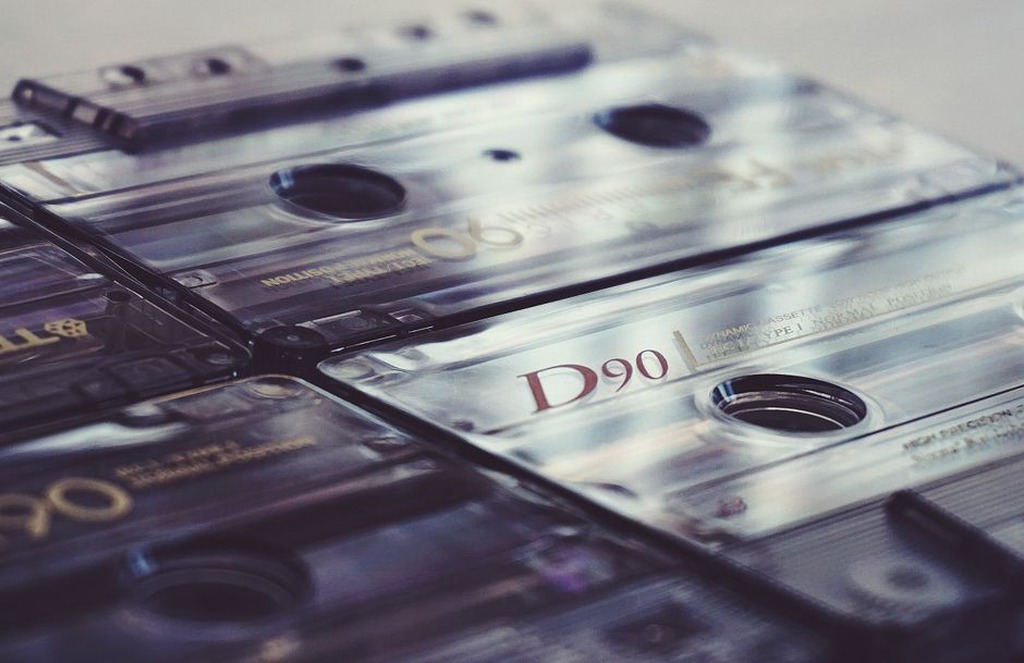
A newly identified cassette pressing makes a better newsletter lead than a general notice that the archive has been updated. Show readers what sets the pressing apart, how you identified it, and what remains uncertain. They should learn something from the email even if they never follow a link.
For an archive of Finnish thrash metal from the late 2000s through the mid-2010s, an issue is worth sending when it has something worth keeping. Collectors may look for precise release details; other listeners may be more interested in how a band sounded live. Give both a way in, without asking a surviving flyer or upload to tell more than it can.
Build each issue around one useful finding
Archives gather more material than anyone can take in at once. Pick one question for the lead: Which version of a release does a newly photographed insert belong to? What does a contemporary review actually say about a band's sound? How does a documented European tour fit into its release timeline? Answer it in a few paragraphs, with enough context for readers to follow the evidence.
Be clear about what an artifact establishes and what it only suggests. A dated concert flyer supports a scheduled appearance; by itself, it cannot prove the set took place. A review records one writer's hearing, not a scene-wide consensus. That care matters just as much when an issue corrects an earlier archive entry.
Newsletter formats that earn their space
The artifact with a question
Show one image you have permission to use—a flyer, sleeve, ticket, or press clipping—and explain the detail that sent you looking closer. A venue name may place a band on a local circuit; a track listing may distinguish a demo from a later release. Transcribe the essential text so the issue still works without the image, and label a reproduction if the original is unavailable. If you need help, ask about a specific unresolved detail, such as a partly legible venue name, rather than making a general appeal for memories.
A short listening comparison
Compare two legitimately available recordings from the same band's documented period, or two releases with a useful sonic connection. Listen for guitar attack, drum production, vocal delivery, tempo changes, and the space around the instruments. Name the editions: a remaster or a poor transfer can change what you hear. Describe the music rather than sharing recordings the archive has no right to distribute.
A timeline with one gap left visible
Three or four verified points can show a band's trajectory without turning the email into a biography. You might connect an independent release to a documented festival appearance and a later recording. If a stretch of that sequence is missing, leave it visible. The timeline gives a newly confirmed date a reason to matter beyond its place in a list.
The archival correction
A correction is more useful when readers can see the reasoning. Quote the earlier claim, present the new evidence, and give the wording now used in the archive. If sources conflict, explain how rather than choosing a winner without grounds. Get permission before naming private correspondents. For collectors of physical editions, corrections to format, artwork, or track order can be especially useful.
A reader's route through a theme
Choose a few entries linked by a narrow theme: independently issued recordings, documented cross-border shows, or changes in cover-art aesthetics during a defined period. Give a sentence on why each belongs. Unlike a general roundup, the selection puts forward an idea readers can check against the material. Keep it small enough for a newcomer to finish.
For formats specific to this collection, the archive's newsletter ideas for a Finnish thrash archive offer a companion to these broader approaches.
Make the email rewarding without demanding a click
Name the discovery or question in the subject line. “Two sleeve variants, one demo” tells readers more than “Huge archive update”—if the issue really examines two variants. Deliver that detail early. Archive links can provide photographs, citations, and longer discographies, but readers should get the central finding in the email.
A working issue structure is:
- Lead: one finding, with its date or period and the source behind it.
- Context: two or three sentences connecting it to the band's releases, shows, or local scene.
- Evidence note: what you checked and what you still cannot confirm.
- One invitation: a specific request for correction or a route to the fuller archive entry.
The balance will change with the material. An artifact may need a longer transcription; a listening note may need to explain exactly which recording you heard. Plain text and descriptive alt text help when email clients block images. For another look at visual evidence, reading Finnish thrash-metal videos as scene history considers what videos can document.
Set a rhythm the archive can support
One checked finding each month is more dependable than a weekly schedule that relies on fresh discoveries. Keep a short queue of topics that will still be useful later—an edition comparison, an annotated review, a source clarification—so a quiet research month does not push you into speculation. A “no new conclusion yet” note is worth sending only if the work itself has revealed something useful, such as why two similarly named releases are easily confused.
Tell subscribers what they will receive and how often, and make it easy to unsubscribe. Do not add people just because their addresses appear in old correspondence. If someone sends a scan or recollection, settle attribution and image-use permission before publication. A memory can point you toward a source; it should not quietly become a confirmed concert date.
Learn from replies, not just clicks
Open and click figures may expose a confusing subject line or an inaccessible layout. They will not tell you whether a collector saved an issue for later. Pay closer attention to replies that supply evidence, fix a transcription, or raise a question the archive left unanswered. Keep recurring questions separate from anecdotes you cannot verify: questions can shape future issues, while anecdotes may suggest sources to check.
Before drafting an issue about a newly examined cassette, put the finding in one sentence at the top: “The insert identifies this copy as a different printing, but its year remains unconfirmed.” Then check every paragraph against it. If the details cannot support the sentence, keep researching and choose another lead.