
The late 2000s and early 2010s were a period when the physical object still held immense power in underground metal. The internet was speeding up, sure, but discovering a new Finnish thrash band usually meant finding a photocopied, stapled fanzine or a carefully assembled independent magazine. These weren't newsletters. They were the primary cartographers of a scene that was expanding fast. A reader in Germany learned about Helsinki's Forced Kill or Tampere's Deathchain not through an algorithm, but from a handwritten review tucked between pages of gig flyers and tape-trading ads. This network of print media built the critical infrastructure that documented a renaissance before it became a globally recognized movement.
The relationship between the bands and the press was symbiotic. Labels like Violent Journey Records or Svart Records sent early demos and debut vinyl to a tight circle of dedicated editors. In return, fanzines such as Isten or the long-running Finland's Metal Underground offered more than promotion; they provided rigorous, often brutally honest criticism that held the music to the high standard of classic Bay Area and Teutonic thrash. A typical issue would dissect the raw speed of a band like Ranger, comparing their early demo to the precision of early Exodus, while simultaneously interviewing the band about their rehearsal space conditions in a Helsinki suburb. This level of granular detail created a historical record that modern social media posts rarely match.
The aesthetic of these magazines was a crucial part of the storytelling. The visual language was deliberately lo-fi, mirroring the music's rejection of sterile, overproduced metal. Xeroxed black-and-white covers featured stark, hand-drawn logos and chaotic live photography captured on 35mm film. The layout was often dense, with text wrapping around blurred shots of flying hair and battered guitars. This visual chaos was not accidental; it was a signal of authenticity. When a reader picked up an issue with a grainy photo of a band like Axegressor on stage at the Jalometalli Festival in Oulu, the medium itself communicated the raw energy before a single word was read. This stands in stark contrast to the polished, digital press kits that would become standard later, marking the era as a distinct visual archive of a subculture's peak.

Independent Distribution Networks Across Europe
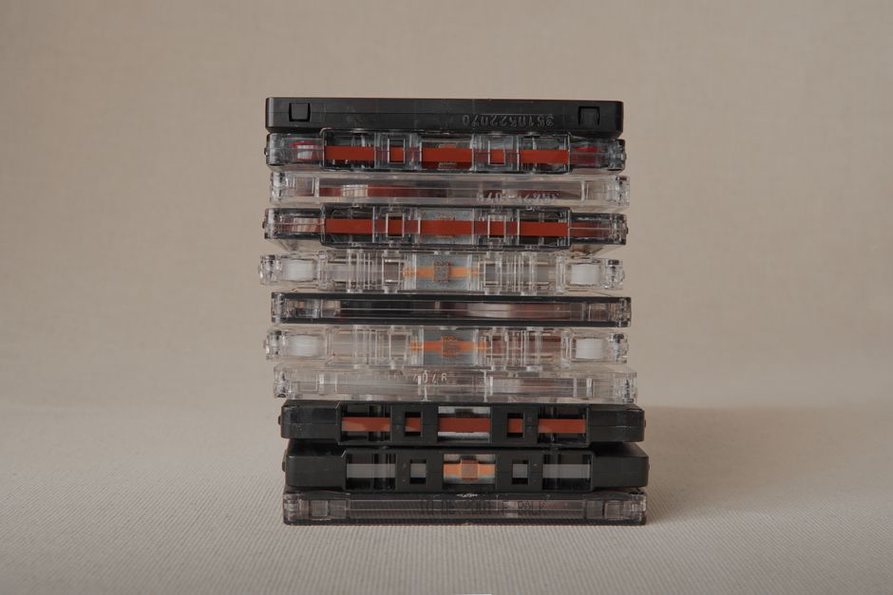
The physical weight of these publications dictated a unique distribution model, deeply rooted in the DIY ethos. A magazine printed in Turku did not rely on major newsagents. It traveled through the postal system, bundled with distro catalogs and cassette tapes. A key hub for this exchange was the tape trading circuit, where a fanzine editor would swap a batch of 50 copies for a box of demos from a Greek or Czech contact. This barter economy meant that a Finnish thrash magazine could end up on a table at a small club show in Leipzig or at the Keep It True festival in Germany, directly connecting the Nordic scene with the broader European underground. The magazines often included extensive distro lists in the back pages, functioning as a pre-internet directory for how to order a Lost Society 7" or a pre-deal Stone demo reissue.
This analog network was slow but remarkably effective. It created a filter of genuine commitment; acquiring a Finnish fanzine required writing a letter, sending cash concealed in a registered envelope, and waiting weeks for a package. That effort ensured the information reached deeply invested listeners, not casual browsers. The reviews printed in these pages consequently carried significant weight. A positive review in a respected Spanish or German fanzine, translated and reprinted in a Finnish publication, could validate a band's decision to book a van and play a string of dates across Central Europe. This cross-pollination is a central part of how a loyal, international fanbase was built without any marketing budget, a phenomenon explored further in the broader context of the scene's growth. The magazines were the physical nodes of this loyalty network.
Chronicling the Sound of a Revival
Beyond gig listings and interviews, fanzines were the primary forum for serious musical analysis. Writers painstakingly described the sonic characteristics that defined the Finnish approach to thrash. They drew connections between the cold, melodic undertones of the music and the stark Finnish landscape, without falling into cliché. A review of a band like Vorum would analyze the cavernous reverb on the vocals and the sharp, angular riffing, tracing its lineage back to early Slayer while noting a distinct melancholic edge. This vocabulary, developed in the pages of underground press, gave fans and musicians alike a language to articulate what made the scene unique. The focus was always on the tangible: the specific guitar tone, the tempo changes, and the lyrical themes of existential dread and societal collapse.
The documentation of independent releases was perhaps the most valuable service these magazines provided. The Finnish thrash revival was built on a flood of demos, EPs, and split releases, many of which were limited to a few hundred copies. Without the detailed cataloging found in fanzines, many of these recordings would have vanished into obscurity. Writers meticulously noted catalog numbers, pressing variants, and recording lineups. They reviewed a self-released CD-R by a band like Scarsong with the same critical rigor they applied to a new album by a veteran group. This archival impulse means that today, a researcher can trace the evolution of the scene through the pages of these publications, seeing exactly when a band shifted from raw punk-thrash to a more technical speed metal style. The magazines were, in effect, creating the definitive discography of a movement in real time.
The Role of the Interviewer as Scene Historian
The interview style of the era was distinct from today's promotional cycle. Editors often acted as historians, asking detailed questions about a band's formation, their earliest influences, and the specific gear they used to achieve their sound. An interview with a drummer from Forced Kill might spend half the page discussing their preference for a particular snare drum to cut through the mix in a small basement venue. These were not celebrity profiles; they were technical, nerdy conversations between enthusiasts. The resulting articles were dense with information that might seem trivial but collectively paints a rich picture of the creative conditions. A reader could learn about the challenges of touring Finland in winter, the specific studios that catered to underground metal, and the informal network of artists who created the iconic hand-drawn album covers.
This depth of coverage extended to the live experience. Magazines would run extensive photo spreads and multi-band reviews from key festivals like Hellsinki Industrial or club nights at legendary, now-defunct venues. These reports captured the atmosphere of a time when a show by a band like Speedtrap in a packed, sweaty room was a communal ritual. The writers described the sound quality, the crowd's reaction, and the setlist choices, creating a vivid secondary experience for those who could not attend. This focus on the live environment cemented the idea that Finnish thrash was not just a recording project but a living, breathing live entity. The raw energy of these concerts was a testament to the passion driving the scene, a subject that connects directly to the foundational stories of the bands themselves.
A Legacy Preserved in Ink
As the 2010s progressed and digital platforms became the default, the era of the printed fanzine as the primary news source began to wane. However, the back issues of these publications remain the most authentic and unfiltered archive of Finnish thrash metal's crucial formative years. They are immune to the revisionism of edited blog posts and deleted social media threads. The ink on the page preserves the immediate, unpolished reactions to a demo that would later become a classic, or a candid band photo taken before any notion of a professional image campaign. For collectors and historians today, tracking down a complete run of a specific fanzine is akin to an archaeological dig, each issue a strata of a thriving subculture. The independent spirit captured in those stapled pages is the same force that drove the music itself, a tangible artifact of a time when the most advanced technology in a scene was a high-speed tape duplicator and a well-organized postal address book.