Finnish thrash metal is often dismissed as a northern afterthought to an American genre whose defining moment had already passed. That reading misses what gave the scene its weight. Finnish musicians did not simply copy Bay Area or German thrash; they absorbed a language of speed and riffs, then worked within a country where extreme metal, independent labels, rehearsal-room networks, and attentive underground audiences were already well established.
Between the late 2000s and the mid-2010s, that connection to tradition gave Finnish thrash a clear cultural role. It linked older local metal history with a newer generation of bands, collectors, promoters, and listeners. Rather than operating as one unified movement, the scene held together through practical habits: writing memorable riffs, releasing physical records in short runs, sharing recommendations, and treating a club bill or small festival appearance as part of a broader European underground exchange.
More than a revival label
“Revival” can describe a renewed interest in 1980s thrash techniques: palm-muted rhythm guitar, abrupt tempo changes, raspy or shouted vocals, compact arrangements, and cover art drawing on danger, satire, fantasy, or social anxiety. The term becomes less useful when it implies that Finnish bands were only reenacting a previous decade. Musicians can use inherited forms while giving them different meaning in their own communities.
For Finnish musicians in the late 2000s and early 2010s, classic thrash was accessible through more than canonical albums. Reissues, second-hand records, fan-made playlists, local gigs, and conversations across punk, death metal, black metal, and traditional heavy-metal circles all fed into the sound. Playing thrash could be an aesthetic choice, but it could also signal a preference for energy over polish, riffs over spectacle, and committed performance over passing fashion.
The Finnish setting mattered. Heavy music had a level of public visibility and institutional familiarity that underground scenes elsewhere did not always enjoy. Yet a small thrash band still faced the usual limits of rehearsal space, money, promotion, and access to shows. Volunteer promoters, independent shops, small labels, and well-chosen support slots gave groups room to develop without immediate mainstream attention. That mix encouraged self-reliance while keeping bands connected to an audience.
A bridge across generations of Finnish metal
Finland’s earlier thrash history offered more than a list of influences. Bands such as Stone showed that Finnish musicians could play forceful, technically capable thrash without treating it as a distant import. Later musicians could take inspiration from that example without copying its details. The larger lesson was simple: local identity and an international metal language could coexist.
Thrash in the late 2000s and mid-2010s also brought together different generations of listeners. Older fans recognized familiar riff structures and the tactile appeal of vinyl, CDs, patches, and printed sleeves. Younger listeners could enter the tradition through contemporaries rather than historical reverence alone. On a small multi-band bill, that overlap turned the room into an informal archive, with older stylistic codes tested in front of current audiences.
Tradition as a working method
Much of this period’s legacy lies in its musicianship. Thrash is difficult to play convincingly. Fast down-picked passages, tight ensemble stops, shifting accents, and lead guitar parts expose weak arrangements quickly. Bands that moved beyond their first demos usually learned to make speed serve the song: a mid-tempo passage could make a rapid return hit harder, while a clear chorus could offer release without blunting the attack.
That discipline separated continuity from nostalgia. These musicians were not preserving an artifact behind glass; they were keeping a set of practical skills alive. Rehearsal-room precision, a recognizable guitar sound, and a live set that holds together in a modest venue became measures of credibility. The emphasis on performance also fit Finland’s wider underground metal culture, where listeners often pay close attention to musicianship even when recordings retain a rough edge.
Independent releases as cultural records
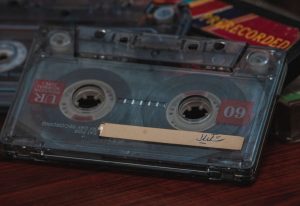
Demos, EPs, split releases, and small-run albums were central to the scene’s identity. Their importance was not merely financial. A physical release documented who was active, what a band sounded like at a particular point, who created the artwork, and which labels or distributors were prepared to support the music. Even a plainly packaged demo can point to a network of rehearsal rooms, local contacts, and mailing-list-era exchange.
Collectors may value rarity, but these objects matter historically because they retain context. Matrix information, lyric sheets, catalogue numbers, band photographs, and acknowledgements can reveal relationships that streaming metadata seldom captures. A split can suggest a link between cities; a compilation can place a young group beside more experienced peers; a hand-numbered cassette may reflect a genuinely small DIY operation rather than a marketing device.
For anyone building a serious collection, provenance matters more than scarcity alone. Keep original release dates separate from reissue dates, note the format and label, retain inserts, and record where an item was acquired. Verify details against the object itself, official band or label material, and reliable contemporary documentation where possible. It is a way to respect musicians’ work without turning uncertain discographical claims into scene mythology.
- Demos often preserve a band’s earliest writing and personnel, even when later recordings are more polished.
- EPs and splits can reveal collaborations, touring partnerships, and shared label connections.
- Full-length albums show whether a group could sustain its sound beyond a few high-speed songs.
- Flyers and printed bills place recordings within a local live circuit and should be archived with clear dates and venue names.
These materials also challenge the idea that influence can be measured only through sales or press coverage. A release pressed in small numbers may have reached musicians who later formed bands, booked shows, started labels, or maintained archives. Underground circulation is difficult to measure, but its effects can last for years.
Live spaces and the value of proximity
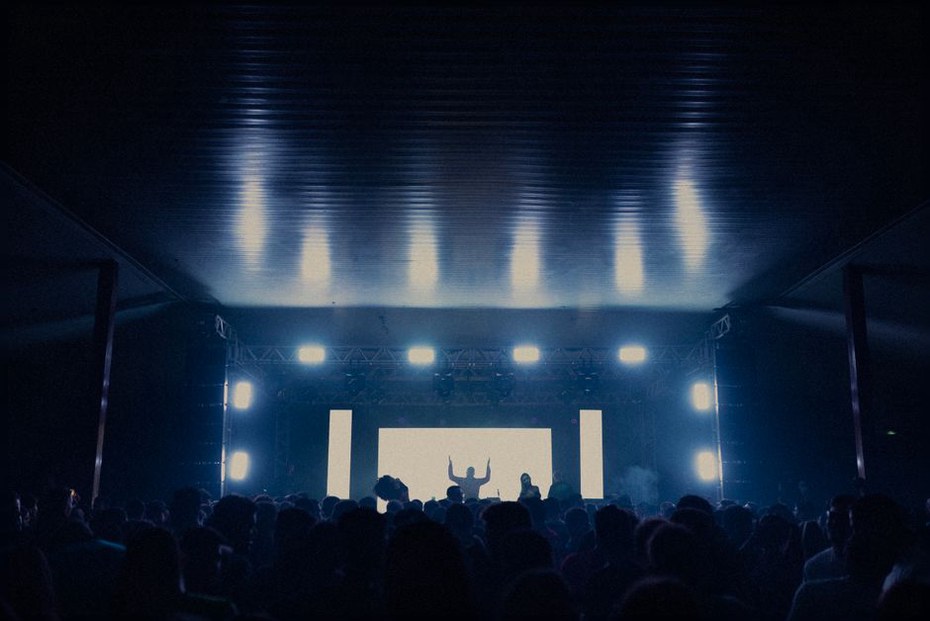
Finnish thrash drew much of its force from physical proximity. In a small club, the short distance between band and audience makes mistakes, stamina, and conviction immediately audible. The setting rewards direct contact: a tight opening set can win a room, and a strong local support act may give people a reason to return for the next bill.
Festival appearances widened that connection. A thrash band on a mixed metal lineup could reach listeners who had arrived for death metal, black metal, traditional metal, or hardcore. This mattered in Finland, where local audiences could cross stylistic boundaries even when individual fans held firm preferences. Thrash’s rhythmic drive carried well across those divisions.
Live culture also offered a practical education. Bands learned how quickly gear failures, travel expenses, scheduling mistakes, and lineup changes could affect a performance. Promoters learned which combinations of local bands and touring guests worked in a particular room. Audiences, in turn, built trust in venues and organizers. Those modest forms of reliability are part of the infrastructure that keeps an underground scene alive.
For a closer examination of how festival settings shaped exposure and programming, see Finnish Thrash Metal at Festivals in the 2010s.
European circulation without losing local character
European touring and cross-border contacts connected Finnish bands to a wider thrash network. Germany, the Netherlands, Sweden, the Baltic region, and other linked scenes provided opportunities for shared bills, festival appearances, label relationships, and fan exchange. A major career breakthrough was not always the point. A short run of shows or a distributor willing to carry a release could be enough to establish lasting ties.
Thrash has always crossed national borders. Fans recognize musical references across languages, while local scenes provide the details that keep the genre from becoming generic. Finnish bands joined that exchange through their own mixes of melodic instinct, abrasive attack, death-metal-adjacent weight, punk economy, and cold-toned atmosphere. No single band used all of these traits, but the range kept the scene from becoming a museum piece devoted to 1980s metal.
| Scene element | Why it mattered culturally |
|---|---|
| Small physical releases | Created lasting records of activity and strengthened direct artist-listener relationships. |
| Club bills | Built local trust, gave newer bands performance experience, and mixed audiences across subgenres. |
| European contacts | Placed Finnish bands in a wider underground network without erasing local identity. |
| Classic-thrash technique | Passed along practical musical skills as well as a shared historical vocabulary. |
Why the legacy remains useful
The legacy of this period does not depend on a fixed roster of “essential” bands. Its lasting contribution is a model for a regional scene that remained aware of its history without becoming static. Finnish thrash musicians and supporters treated the past as usable material: records to study, techniques to practise, visual language to adapt, and networks to maintain. That approach matters to archives as much as it does to performers.
It also resists the narrow assumption that only internationally famous names matter. Local opening acts, short-lived bands, volunteer photographers, tiny labels, and independent record sellers all helped sustain the conditions in which stronger releases and tours could happen. Their work is less visible in conventional music histories, but it explains how a scene survives between headline moments.
Anyone documenting this history can begin with one accurately identified item: a dated flyer, a demo with its original insert, or a ticket stub. Record the performer names, venue, city, format, source, and any uncertainty. When those details are attached to a scan or photograph, a private keepsake becomes evidence that future listeners can place within Finland’s thrash-metal history.