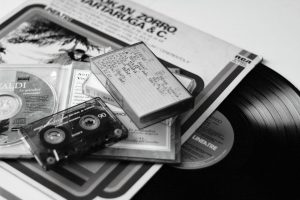
Check the date on a Finnish thrash LP before treating it as the date the music reached listeners. The songs may have circulated years earlier on cassette, CD or another format. An original LP shows how a band presented itself at the time; a later vinyl pressing shows that someone thought the recording was worth returning to. Those are different pieces of history.
The distinction matters when first-wave records share a shelf with releases from the late-2000s-to-mid-2010s revival. The bands worked under different recording and distribution conditions, even if vinyl makes their records look like part of one continuous story. The editions themselves help keep those differences in view.
Two generations, different vinyl histories
Stone is a natural starting point for a first-wave collection. Its self-titled debut and follow-up No Anaesthesia! belong to the late-1980s period when Finnish thrash was establishing its recorded identity. An original pressing is more than an older way to hear the songs: its label information, sleeve and manufacturing details belong to their initial circulation.
Other first-wave recordings take more untangling. Historically important music may have appeared first on a demo cassette, CD or small-format release, with the LP arriving later as a licensed edition. That does not make the vinyl inauthentic. It means the recording date, first-release date and manufacturing date of the copy in hand each need their own entry.
During the revival, bands could build an audience through shows, independent releases and digital listening, with vinyl serving as one physical option among several. Mokoma is a reminder that Finnish thrash does not fit a single first-wave model; younger acts such as Lost Society brought classic speed and visual cues to a later generation. Their records reached a different marketplace from Stone’s early LPs. A revival-era pressing says little on its own about a band’s budget, distribution route or intended audience.
Neither generation needs to win an authenticity contest. A first pressing can show contemporary label presentation; a later edition can show which recordings drew enough interest to return to vinyl.
The copy, not just the album
An album title rarely identifies a collectible edition by itself. A reissue may look much like the first pressing in a listing thumbnail while carrying different back-cover text, barcode, centre labels or credits.
Build an edition record
Start with the copy in front of you, then compare it with listings and sellers’ descriptions:
- Catalogue number and label: Compare the number on the sleeve with the centre labels. A mismatch calls for investigation, not an immediate counterfeit verdict.
- Runout or dead-wax markings: Stamps and etchings near the label can distinguish pressings with identical artwork. Transcribe spaces and symbols as they appear.
- Sleeve and insert: Note any lyric sheet, printed inner sleeve or other component. Missing paperwork affects completeness but may not change the disc’s identity.
- Format and colour: Record diameter, speed and colour. Coloured vinyl is not automatically older or rarer than black vinyl.
- Credits and copyright lines: These may help separate the recording date from the edition date.
Keep a seller’s claimed pressing year separate from what you can verify. If the runout cannot be read or an insert is missing, mark it unknown rather than borrowing the detail from a similar-looking copy. That is a small habit with real value in an archive.
Why vinyl changes the listening record
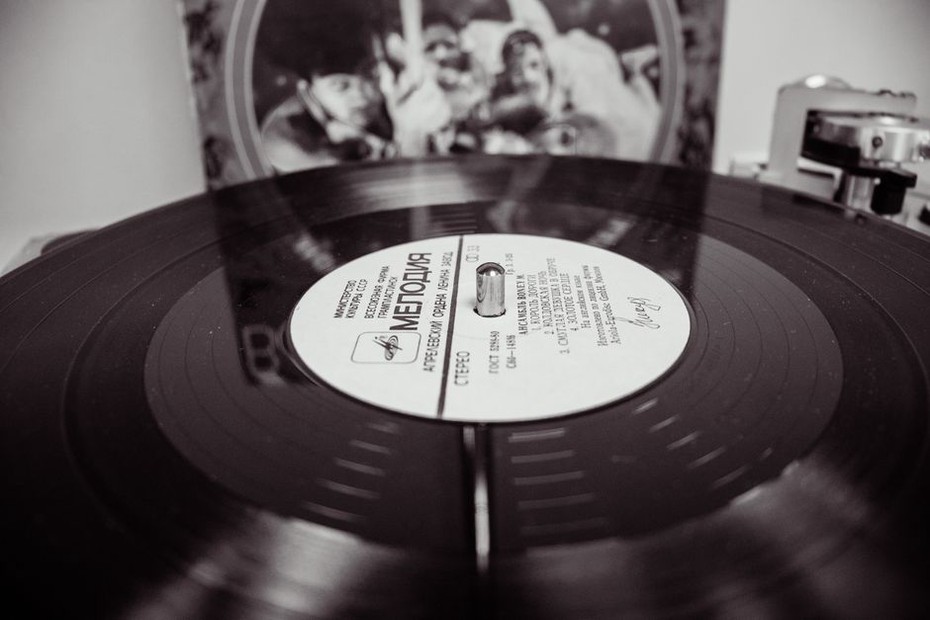
Vinyl is not a neutral window onto a recording. A cut prepared for LP may differ from a CD master in level, dynamics or tonal balance. Cartridge condition, playback equipment and wear on a particular copy matter too. The wider sound heard on one LP may owe as much to mastering and playback as to the band; it is no basis for describing a whole national scene.
Then there is the side break. Thrash can depend on momentum: the gap between fast songs, a shift to a mid-tempo riff, or the placement of a closing track can shape the sequence. Turning an LP forces a pause. If a later vinyl edition splits the tracks differently from an earlier release, that decision becomes part of how the edition is heard, although the compositions stay the same.
Make comparisons between named editions rather than declaring that vinyl has a better thrash sound than digital. Listen for something you can describe: the bass drum’s attack, separation in fast guitar picking, or space around the vocal. Format loyalty tells you less than those observations.
Sleeves as evidence, not proof of a whole scene
A twelve-inch sleeve lets you inspect typography, illustration and photography at a size no thumbnail offers. Paper stock, printing, spine text and credit placement can suggest how a label or band wanted the edition to be encountered. None of them proves how widely it sold or how an audience received it at shows.
Documented provenance can narrow the picture. A shop price sticker, dated receipt or identifiable label insert may help trace a copy’s distribution. An unsigned claim that it was sold at a particular gig cannot do the same work. Keep associated paper with the sleeve, but prevent adhesive or acidic material from touching and damaging it.
For revival-era releases, look at vinyl alongside other physical traces. Sleeve credits may match names on another edition; a concert flyer kept with a record might suggest where its owner encountered the band. Treat that link cautiously unless the flyer and record have a documented connection. Finding them together in a second-hand box is not enough.
Scarcity and the limits of a collection
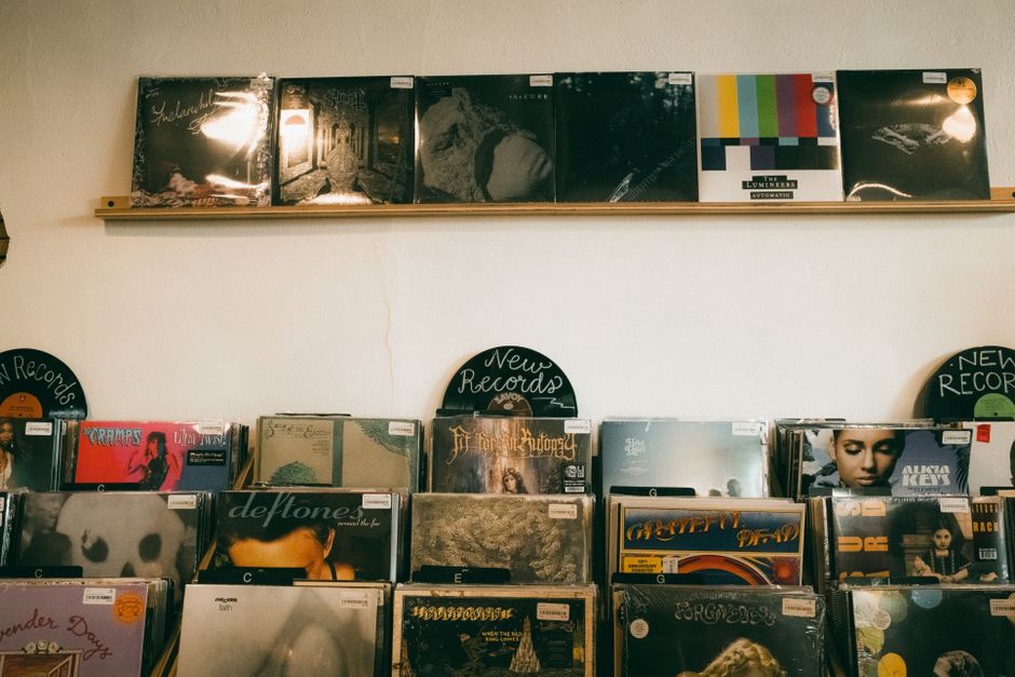
Small runs interest independent-metal collectors, but an advertised limit does not settle rarity. Copies may have gone to band members or distributors, and another colour may have been pressed later. Demand differs by country. Condition, completeness and reliable edition documentation also change what a particular copy offers.
Vinyl is an incomplete map of Finnish thrash. Rehearsal recordings, demos and early independent material often travelled on formats that suited tight budgets and quick local exchange. A vinyl-only shelf can favour recordings that labels chose to press later, leaving out music that mattered to musicians and audiences at the time. For a broader view of the revival’s recordings, the blog’s five-record survey of the Finnish thrash revival is a useful companion.
Make that gap visible in your catalogue. Identify an LP of earlier material as a later edition and, when reliably known, note the original format. Do not let the LP’s existence imply that vinyl was available in the music’s first year of circulation.
Buying and preserving a usable copy
Before buying, ask for clear photos of both centre labels, both sides of the sleeve, inserts and runouts. A cover image alone cannot distinguish many editions. Grade the disc and sleeve separately: ring wear may be cosmetic, while a scratch that clicks repeatedly affects playback. If possible, check that the record lies flat and plays through the passages most important to you.
Store LPs upright in a stable, dry place away from sunlight and heat. Put the disc in a clean inner sleeve rather than letting worn paper rub against the playing surface. Keep an original inner with artwork or credits even if a replacement protects the record better. Handle discs by their edges and labels, and use record-cleaning materials instead of household solvents.
A short catalogue entry is enough to begin: “Stone, No Anaesthesia!; LP; label and catalogue number as printed; sleeve components present; runout transcribed; condition checked on both sides.” Add a pressing identification only when those physical details support it. A cover photo cannot record which copy survived or what came with it.