A tent can fit neatly in its bag and still be missing stakes, a rainfly, or the poles that hold it up. Pitch it at home before your first trip. You’ll catch missing parts and learn the setup while there’s no pressure to finish before dark.
Choose a first trip with room for mistakes
Start with one or two nights at an established campground. Look for a legal site you can reach by car or a short walk, with clear information about toilets, drinking water, fires, vehicle access, and check-in times. Reserving a site means you won’t arrive to find every spot taken. Before booking, check the rules on tents per site, pets, quiet hours, and food storage.
Arrive well before sunset. Daylight gives you time to find your site, pick level ground, and pitch the tent without rushing. If mobile reception is unreliable, save directions and reservation details offline. Tell someone who isn’t coming with you where you’re going and when you expect to return.
Check the forecast for the campground, not your home town. Look at overnight lows, rain, wind, and weather alerts. Change your plans if dangerous conditions are forecast; your first trip needn’t be a test of how much wind a new tent can take.
Match your sleep system to the night temperature
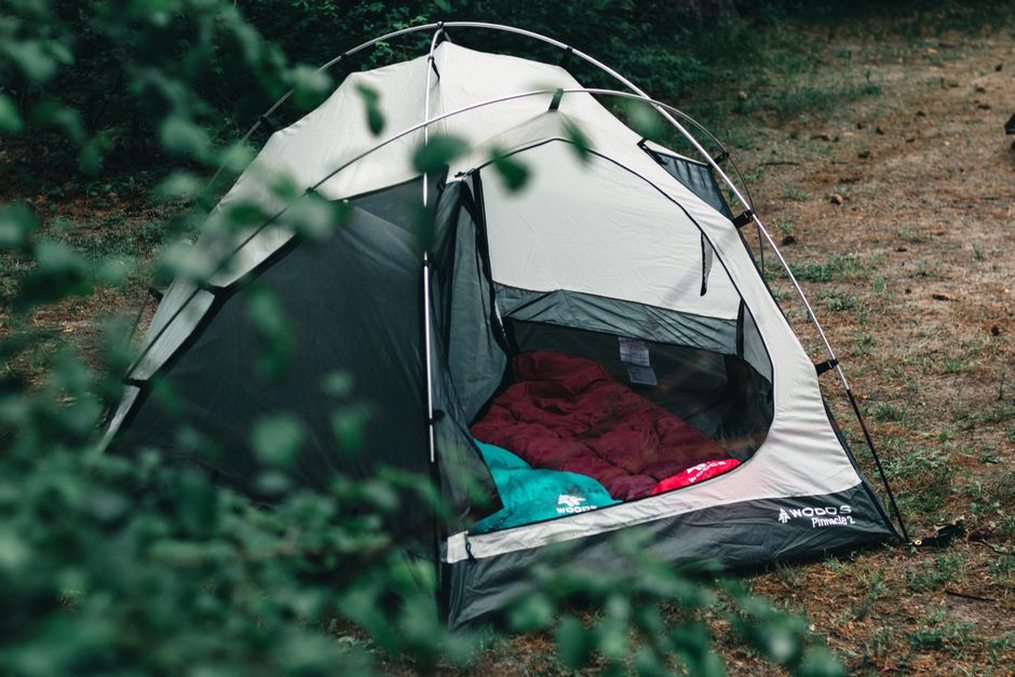
Pack the tent with all its poles, stakes, and rainfly, plus a groundsheet if the design calls for one. Tuck the groundsheet beneath the tent floor: an edge sticking out can catch rain and channel it underneath. At camp, use a permitted spot away from low ground where water may pool, and check overhead for dead branches. They can fall even in calm weather.
Bring a sleeping bag suited to the expected overnight low and a sleeping pad, rather than relying on a blanket alone. The pad cushions the ground and slows heat loss beneath you, where the bag’s insulation gets compressed. Temperature labels vary, so check whether a bag’s rating means comfort or lower limit. If you’re unsure, pack an extra warm layer and choose a milder night.
A small pillow—or a stuff sack filled with clothes—can make sleep easier. Keep dry sleep clothes separate from what you wore during the day; damp socks are no way to end the night. Earplugs can help when neighboring sites are close.
Pack for the conditions, not for a photograph
Clothing and personal essentials
Wear layers you can adjust as the temperature changes: a comfortable base layer, an insulating layer, and a waterproof outer layer if rain is possible. Pack spare socks and footwear suited to wet or uneven ground. Cotton dries slowly, so a dry change of clothes is especially welcome after rain. Bring a hat and sun protection for exposed sites, even on cool days.
- Light: A headlamp or flashlight for each person, with working batteries or a charged power source. Test it before leaving.
- Health: Personal medications, a basic first-aid kit, insect repellent where needed, and any prescribed emergency medication.
- Hygiene: Toilet paper, hand soap or sanitizer, a toothbrush, and rubbish bags. Check whether the campground has toilets and running water.
- Weather backup: A rain jacket and dry socks packed where they’ll stay dry.
- Administration: Reservation details, identification if required, and a payment method the campground accepts.
Keep your headlamp, rain layer, and medication within reach instead of burying them in the vehicle. Use a checklist as you pack: tick off an item when it goes into a bag, not because you remember owning it.
Water and food
Confirm whether the site has potable water. If it doesn’t, bring enough for drinking and cooking, with extra for delays and cleaning. Don’t assume a nearby stream is safe to drink untreated. If you plan to filter or treat water, practise before the trip and check which contaminants your method addresses.
Keep the first menu simple. A ready-to-eat meal on arrival night helps if setting up takes longer than expected. Plan each breakfast, lunch, dinner, and snack, then list the ingredients and tools each one needs. A one-pot meal is easier to manage than several pans and precise timing.
If you’re cooking, bring a suitable stove, compatible fuel, a pot, utensils, cups or bowls, and a way to light it. Follow the manufacturer’s instructions and cook outside the tent on a stable surface with good ventilation. Never use a stove, grill, or fuel-burning heater inside a tent or vehicle: carbon monoxide can build up without warning. Keep perishables in a cooler with enough ice or cold packs, and use them before they warm beyond safe storage conditions. Follow the campground’s rules for storing food and scented items, especially where wildlife is present.
Know the site rules before you rely on a campfire
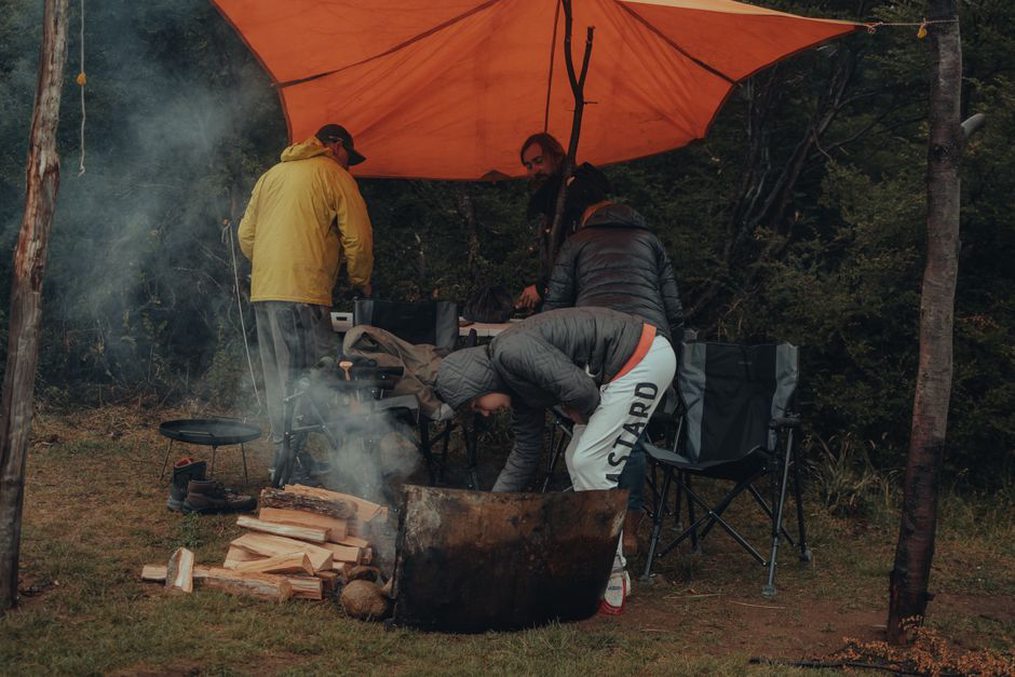
Fire permissions can change with local conditions. Check current restrictions, use only designated fire areas, and have another way to cook. Don’t move firewood between regions if local guidance prohibits it; transported wood can carry pests. Keep water nearby, watch the fire, and extinguish it completely before bed or departure. Dark-looking ashes can still be hot.
Find out how the site handles rubbish, washing water, and toilets. Pack out what you bring in unless bins are provided, and keep food scraps out of fire pits and away from wildlife. Follow campground instructions when washing dishes; a lake or stream isn’t a sink. If there’s no toilet, check the land manager’s waste-disposal rules before you go rather than guessing at camp.
Use a short departure check
The day before leaving, group gear by purpose so missing items are easier to spot. Run through this list once more at the door:
- Booking and route: Confirm your reservation, arrival time, directions, and expected road conditions.
- Forecast: Recheck alerts, overnight temperature, rain, and wind; adjust your gear or postpone if needed.
- Shelter and sleep: Count the tent components and pack a suitable sleeping bag and pad for every camper.
- Water and meals: Confirm your water source, count the meals, and check stove fuel and cooking tools.
- Safety and comfort: Test lights, charge devices, and pack medications and dry layers.
- Site care: Bring rubbish bags and review the fire, food-storage, and waste rules.
When you arrive, park where permitted and locate the toilet and water point before unloading. Pitch the tent first, then organize food and cooking gear. Before daylight fades, move your headlamp from your bag to a pocket or the tent doorway. You’ll know exactly where it is when you need it.