Two listings for the same Finnish thrash demo can show identical track lists yet tell very different stories about a cassette’s condition. In one review, a buyer says the tape plays cleanly. In another, the shell arrived cracked. For a collector considering a hard-to-replace copy, those accounts reveal more than a seller’s score: they point to the risks worth checking before paying.
Reviews can supply evidence that a product description, venue listing or promotional photograph cannot. For underground music, that might mean playback quality, pressing details, packaging, shipping or what it was like to attend a show. The useful question is not simply whether someone liked it, but whether their account answers something the reader needs to know.
Reviews reduce uncertainty at different stages
Before a purchase, the advertised details are usually clear; how well the item or experience will match them is not. A record listing may identify the format and release without saying much about surface noise or whether the pictured sleeve is the one for sale. A concert listing names the venue, but a first-time visitor may still wonder where the entrance is or how the bands sound in different parts of the room.
Reviews help narrow those gaps, and sometimes shift a buyer’s priorities. Someone comparing prices may notice repeated comments about poor packing and decide that safe delivery matters more than a small saving. Choosing is rarely as simple as picking the highest-rated option. The reader has to consider the cost of a bad outcome, whether a complaint applies to their plans and how much detail supports it.
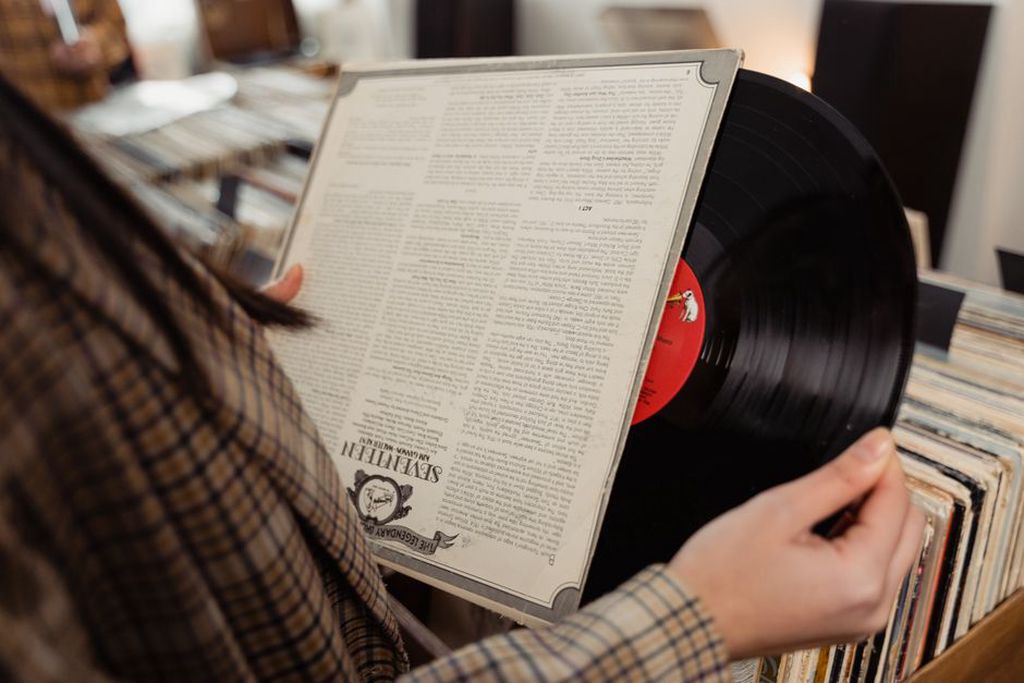
Fit can matter more than praise
“Excellent sound” says less than an account of what the reviewer actually heard. A listener after the raw attack of a rehearsal recording might welcome a rough mix that someone else calls a flaw. A cramped room may suit a fan who wants an intense show but frustrate one who needs a clear view. Descriptions of conditions and preferences let readers judge the fit for themselves.
Why some reviews carry more weight
Specific accounts are easier to check against other information. For a physical release, useful details include the edition, the condition of the disc or tape, whether an insert is present and how closely the seller’s grading matched what arrived. A show review might describe visibility, sound balance or how a schedule change was handled. An unexplained five-star rating offers little of that help.
Patterns across independent accounts matter too. Several reports of secure packaging say more about a seller’s usual practice than one glowing comment. Repeated complaints about the same defect deserve attention, though they do not prove that every copy or transaction has the problem. Dates can change the picture: a review written before a venue renovation or a change in a seller’s fulfilment practices may still be accurate, but less relevant now.
Negative reviews often draw more attention because they flag a possible loss. Still, a delivery delayed by a postal disruption is different from an item repeatedly arriving in a condition that contradicts its description. Ask what happened, who had control over it and how likely it is to happen again.
Stars are a shortcut, not a verdict
Ratings make comparisons quick, but averages conceal the reasons behind them. Two sellers with similar scores may have different habits: one dispatches promptly but grades wear loosely; the other grades carefully but ships more slowly. A score drawn from only a few transactions tells you less than a longer record, though even an extensive history cannot guarantee a particular order.
Review requests often arrive soon after delivery. That timing captures packaging and first impressions, but may miss problems that show up after repeated plays. Read the account beneath the rating. Photographs can confirm some physical details, although lighting, cropping and differences between copies limit what they prove.

The social pull of other listeners’ opinions
Someone else’s account can make an unfamiliar release feel less like a gamble, especially when a small independent recording has little conventional coverage. A person who handled the record or attended the show can offer firsthand testimony that promotional material cannot. Their enthusiasm may also lead a listener to music they would have passed over.
But the reviewer’s frame of reference matters. A newcomer might notice a recording’s roughness first; a longtime thrash listener might pay closer attention to the rhythm section’s precision. Neither view is automatically more useful. Knowing where a reviewer is coming from helps more than treating apparent consensus as a substitute for listening.
Reading reviews without being misled
People with unusually good or bad experiences may be more inclined to post than those whose orders went as expected. Incentives or undisclosed relationships can shape what appears, too. Even an honest reviewer might confuse editions, blame a seller for damage caused in transit or judge a performance from a spot with unusually poor sound. A few checks help:
- Define the decision. For a used record, keep questions about the music separate from questions about that particular copy and seller.
- Look for observable details. Descriptions of playback, condition, delivery or venue access carry more weight than adjectives alone.
- Compare accounts and dates. Note recurring specifics, and ask whether older reports still apply.
- Consider preferences. A complaint about deliberately raw production may not point to a defect.
- Check claims against available evidence. Compare an edition or track-list claim with clearly identified release information; not every listing refers to the same version.
Not every choice calls for the same amount of checking. A widely available recording carries a different financial risk from a scarce cassette offered by an unfamiliar seller. Price, scarcity and the difficulty of fixing a problem afterward can guide how much time to spend reading reviews.
What reviews can and cannot establish for a music archive
For an archive documenting Finnish thrash from the late 2000s through the mid-2010s, a review can preserve a listener’s reaction to a release or performance at the time. It may show how part of the audience received a recording. On its own, though, it cannot establish an unverified concert date, personnel change or pressing quantity. Those claims need corroboration from release materials, dated announcements or other suitable records.
That distinction is easy to lose when an archive entry and a customer review sit side by side in search results. The review speaks chiefly to one person’s experience; the archive entry aims to document what can be established. If you are considering a second-hand copy, confirm the release details separately, then use recent transaction reviews to assess the copy and its delivery.
Suppose a listing calls a cassette “near mint” while two recent buyers report warped shells. Ask the seller for clear photographs of the exact cassette and its shell before ordering. The request addresses the concern without assuming that every copy is damaged.