A bag that feels fine at the front door can become a nuisance after six hours on foot, a crowded train, and a stop with nowhere to put it down. Before you pack, jot down the day’s fixed points: travel time, activities, access to food and water, likely weather, and when you expect to get home. Those details will tell you more than a generic day-trip checklist.
Plan around the itinerary, not every possibility
Sketch a rough timeline, not a minute-by-minute schedule. Note how you’ll get there, the longest stretch without shops or facilities, and any bookings, long walks, or waits outdoors. On a city trip with museums and cafés, you can pick up supplies nearby. A rural walk or an evening event with limited services calls for more self-sufficiency.
Check the forecast for your destination and for the time you’ll head home. Temperature is only part of it: rain, wind, direct sun, or a sharp evening drop may change what you carry. Check venue rules on bag size, food, and photography equipment, too. Confirm transport times and payment options before leaving; a ticket or timetable saved on your phone takes no bag space and may spare you a detour.
Think through the journey, the main activity, and the trip home separately. You may not need a spare layer indoors in the afternoon, but you might want it while waiting for a late bus. A large towel, on the other hand, has little use if the swimming spot has no safe access and you weren’t planning to get in.
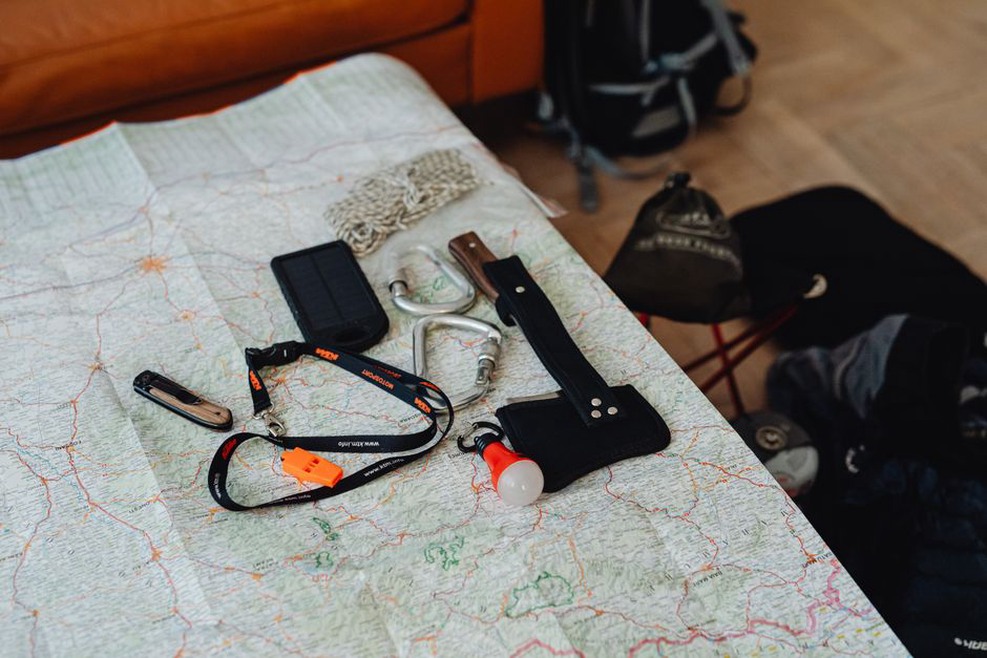
Give every item a reason to travel
Lay everything you’re considering on a table. When in the day will you use each item? Pack what you need to travel, take part in the activity, and get home safely first. Then add protection against likely problems, such as a light rain layer if showers are forecast. An object that’s useful only in a far-fetched scenario can usually stay home.
Some essentials depend on the person, not the destination. Prescription medication, mobility aids, necessary medical supplies, and items for a child or someone in your care are not optional extras. Keep time-sensitive medication accessible, in suitable packaging, and stored as required. Packing lightly should never mean leaving behind something you cannot readily replace.
For everything else, ask:
- Will I use it on this itinerary? A book makes sense on a long train ride, perhaps less so on a day spent walking and talking.
- Can one item do the job of two? The right outer layer may handle wind and light rain without the bulk of two separate pieces.
- What happens if I leave it behind? A minor inconvenience is different from missing the last train because you cannot access your ticket or phone.
Buying things along the way isn’t always the lighter or easier choice. A refillable water bottle may be more useful than repeatedly buying drinks; a full day’s food may be unnecessary in a town with open cafés. Opening hours, cost, dietary needs, and access can tip the balance either way.
Choose the bag after choosing the contents
A large bag makes it tempting to add more. Once you know what you need, choose the smallest comfortable bag that holds it without crushing food or burying essentials. A small backpack spreads the load across both shoulders on a longer walk. A crossbody bag may be handier for a short city outing. Stairs, crowded transport, and bag checks can make ease of carrying just as important as capacity.
Try the packed bag on before you leave. Walk around, bend down, and reach for your ticket, keys, or phone. If it pulls awkwardly or you have to unpack it for a routine item, rearrange it or take something out. In a backpack, keep heavier objects close to your back, stand leak-prone containers upright, and put things you’ll use in transit within easy reach.
A lean starting list
There is no list that suits every day trip. Use this one as a starting point, then leave out anything the itinerary doesn’t call for.
- Phone, necessary tickets or booking details, keys, and a suitable payment method.
- Enough water for the route, accounting for refill opportunities, heat, and personal needs.
- Required medication and a small amount of personal care supplies.
- Weather protection you’re likely to use, such as a compact rain layer or sun protection.
- A snack if meals may be delayed or suitable food hard to find.
- A charging cable or compact power bank if your phone needs to last through directions, tickets, and the trip home.
Wear the shoes and main clothing you need instead of carrying alternatives by default. If you do need a change—say, after muddy trails and before a booked indoor event—decide where the spare clothes or shoes will go afterward. Wet or dirty gear may take up more usable bag space on the way home.

Match supplies to the limits of the day
Give water some thought. How hot will it be? How strenuous is the route, how long is the gap between refills, and is drinking water available at your destination? Too little water is a poor weight saving on a remote route. Several full bottles may be needless on a short urban visit. If safe refills are available, carry enough to reach the next one.
Food follows much the same logic. A compact snack can cover a missed connection or a long café queue; it needn’t amount to a second meal if lunch is planned. Choose something that travels well in the expected temperature. Unless there’s a reason to bring them, avoid food that needs a spoon, refrigeration, or elaborate packaging. If you have dietary restrictions, check your options beforehand rather than counting on the nearest shop.
Prepare for the forecast without packing for every kind of weather. Scattered showers might warrant a packable waterproof layer; steady rain may require sturdier protection and a way to keep electronics dry. On a sunny trip, shade, clothing, and sun protection may matter more than another jacket. If severe weather could make the activity unsafe, change the route or departure time rather than adding gear.
Make a short departure plan
It’s easy to pack extra objects when the day still feels uncertain. Settle what you can first: check the address, entry requirements, opening hours, transport connections, and the last realistic way home. Save key details for offline access if reception may be poor. For a remote outing, tell someone your route and expected return.
Leave some room in the schedule. You don’t need to assign every hour, but fixed plans can rule out supplies for activities you won’t have time to do. If you have a morning walk and an afternoon ticketed event, decide whether there’s time to stop for food—and where you’ll keep a wet outer layer during the event.
Do a two-minute bag check
Just before leaving, check the things that would cause real trouble if forgotten: what you need to enter, pay, find your way, manage health needs, and get home. Then lift the bag. If it feels heavier than expected, take out one nonessential item rather than moving everything into a bigger bag.
Afterward, note what stayed untouched and what you wished you’d brought. One unused rain layer may have been sensible given the forecast; several unused changes of clothes suggest you planned for too many possibilities. For the next similar outing, keep a note tied to the route: “Water refill at the station; rain layer useful after 6 p.m.” That’s more useful than a master packing list that grows after every trip.