
For a dinner with six guests, avoid a dish that demands constant attention just as everyone arrives. Roasted vegetables, a pot of rice and a main that can rest or reheat leave you free to answer the door, pour water and sit down. What you cook matters; when it needs you matters just as much.
Make the big decisions in order: confirm who is coming and what they can eat, decide how you will serve the food, then choose dishes you can prepare early. That way, finding out a guest needs a dairy-free meal does not leave you improvising a second dinner.
Start with the guests and the space
Before shopping, confirm the guest count, arrival time and food restrictions. A short message can ask about allergies, dietary needs and ingredients guests cannot eat; nobody needs to justify a preference. If an allergy is involved, check the ingredients, preparation surfaces and serving utensils. If you cannot prepare a dish safely, tell the guest and agree on another option.
Count seats, table space, plates and cutlery. Six people may fit around a table even when six dinner plates, serving bowls and drinks will not. If space is tight, put the food on a nearby counter and let guests carry their plates to the table. Clear a spot for coats and bags, too, so they do not end up on a chair you need.
Say whether dinner has a set time or guests can arrive over a longer window. “Arrive around 6:30; we’ll eat at 7:15” gives everyone a plan and gives you a buffer without leaving cooked food waiting indefinitely. If someone may come later, choose food that holds or reheats well rather than making the rest of the group wait over a delicate dish.
Choose how food will reach the table
Family-style serving works when everyone can comfortably pass bowls and platters. A buffet makes more sense if the table is small or guests need to choose around dietary restrictions. Plating each meal looks tidy, but it means portioning everything at once; save it for a menu with little last-minute cooking.
For a buffet, put plates first, food in a sensible order and cutlery near the end. Keep dishes intended for guests with dietary restrictions clearly identified and away from sauces that might accidentally be added. Give each dish its own serving utensil. If people are serving themselves, that setup does more for them than an elaborate table setting.
Build a menu with one active dish
Keep the last-minute work to one component. Everything else should be ready, resting or simple to finish. If you cook fish just before eating, pair it with potatoes that can stay warm and a salad you can dress at the last moment. With a baked casserole as the main, a side that needs only a quick toss is plenty.
One main, one substantial side, one vegetable or salad, and perhaps bread or a sauce make a workable menu. Make dessert the day before or buy something ready to serve. Every extra hot dish claims oven space, burner space and attention; more courses do not necessarily make guests feel more welcome.
Stick with familiar recipes for the dishes the meal depends on. Dinner with guests is a hard time to discover that a new dough will not rise reliably or that a complicated sauce cannot wait. If you want to try something new, make it an extra you can test ahead of time, such as a condiment or dessert.
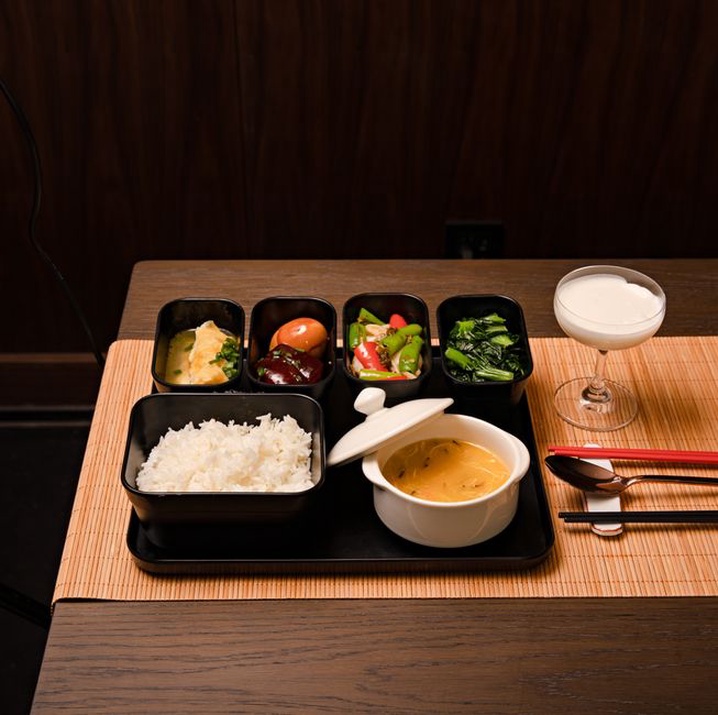
Plan for the oven you actually have
Two dishes that each need an hour in the oven at different temperatures are not an easy pairing if you have only one oven. Note each dish’s temperature, cooking time and equipment before you shop. A stovetop side, room-temperature salad or make-ahead dessert can leave the oven free for the main.
There is a difference between food that can wait and food that benefits from resting. A roast may need time before slicing, which gives you a chance to finish the vegetables. Crisp fried food, on the other hand, loses the texture you made it for. Serve temperature-sensitive dishes promptly, and follow safe cooking, holding and refrigeration guidance for the ingredients you use. Do not leave perishables out all evening just because they still look appealing.
Make restrictions part of the menu, not an afterthought
Often the simplest meal has core components everyone can eat, with optional toppings on the side. A bean-and-vegetable main, for instance, could have cheese served separately for a guest avoiding dairy. That does not make every dish safe for every guest. Allergies call for care with ingredients and cross-contact, and a vegetarian dish can still contain something a guest cannot eat.
Label dishes that are not self-explanatory, especially sauces and foods containing common allergens. Check the label on a packaged ingredient if you are unsure what is in it. Guests should not have to investigate their dinner while others wait to serve themselves.
Buy enough without cooking for an extra crowd
Estimate portions across the whole meal rather than treating every side as a main. If you are serving a filling main, two sides and dessert, people will generally need less of each than they would if the main stood alone. Consider the group’s ages and appetites, the time of day and whether they are coming for a full dinner. Leave a modest margin, but do not double a recipe just because leftovers feel reassuring.
Group your shopping list by produce, refrigerated foods, pantry goods and drinks. Check what you already have before leaving, including serving supplies. Running out of foil is annoying; discovering you have no bowl large enough for the salad may force a change of plan.
- Food: Ingredients for each dish, including garnishes and any separate dietary option.
- Drinks: Water, a nonalcoholic option and any other drinks you plan to offer.
- Serving: Platters, bowls, utensils, trivets and a way to identify dishes when needed.
- After dinner: Containers or wrapping for leftovers and clear counter space for used dishes.
Ask guests to bring something only if you would welcome the help. “Bring any drink you’d like to share” is easier to accommodate than assigning an essential side without confirming when it will arrive or what it contains. If someone offers dessert, ask whether it needs refrigeration, oven time, plates or forks.
Use a schedule that protects the arrival hour
Work backward from serving time. Mark the tasks you cannot shift, such as oven time and a required rest, then move flexible jobs—washing greens, setting the table, mixing dressing—earlier. You do not need a minute-by-minute schedule. You need to spot when too many jobs fall in the same half-hour.
For a 7:15 dinner, you might reserve the final fifteen minutes for warming bread, dressing the salad and moving food into serving dishes. Chopping vegetables, hunting for clean glasses and making dessert should not be on that list. If they are, simplify the menu before dinner day.
Two days ahead
Confirm the guest count and food needs. Choose recipes, check them against your equipment and make the shopping list. Arrange to borrow chairs or move the table if needed. Choose drinks and decide where guests can help themselves to water.
The day before
Shop and prepare what will store well. Make dessert, wash sturdy vegetables, mix a sauce if the recipe allows it, and chill the drinks that need chilling. Set out the serving dishes. A note inside each empty one—“rice,” “salad,” “roast vegetables”—will show you if two foods are meant to share the same bowl.
Do not prep so far ahead that quality or safety suffers. Cut herbs, crisp salad leaves and some garnishes are better handled closer to serving. Cool cooked foods promptly and refrigerate them appropriately; do not leave a large hot pot on the stove overnight.
On the day
Start with messy jobs and anything that takes up space: chopping, assembling or cooking a make-ahead main. Then clear and wipe the counters. Set the table or buffet before final cooking starts. About an hour before guests arrive, check the bathroom, put out clean glasses and make room by the entrance.
Leave yourself a short pause before the doorbell. Ten spare minutes can cover a slow oven, spilled dressing or missing utensil. If guests arrive while something is cooking, offer a drink and tell them when you expect to eat. You do not need to drop a time-sensitive or food-safety task to look available.
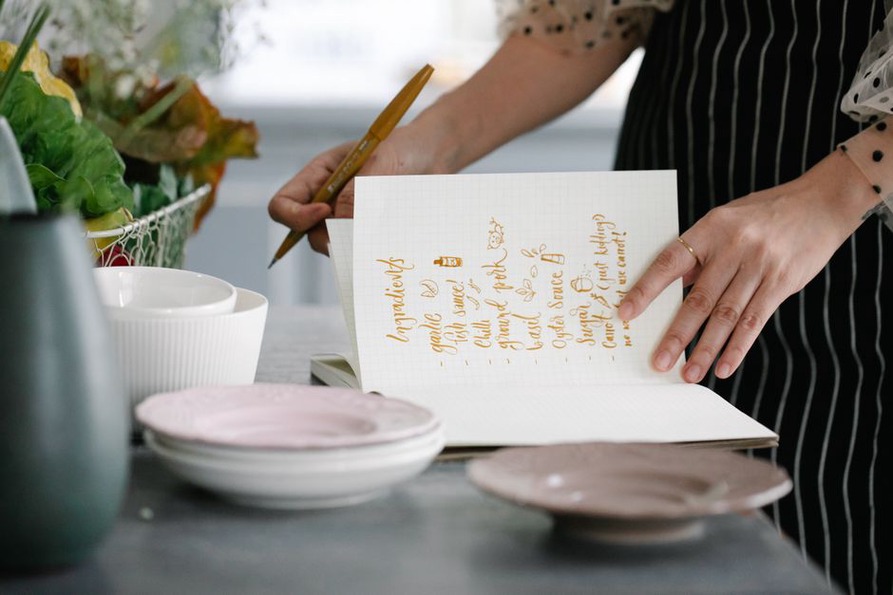
Keep the room comfortable and the choices clear
Guests need somewhere to sit, enough light to see their food, a comfortable temperature and a table that is not crowded with unrelated things. Keep music low enough for conversation. If you and your guests love music, putting on a favorite record can be part of the evening; nobody should have to talk over it.
Offer water when people arrive and keep it within reach. An appealing nonalcoholic drink means nobody has to explain why they are skipping alcohol. If you serve alcohol, let guests choose without pressure and keep water available. Put napkins and condiments where people can reach them.
When it is time to eat, describe the food plainly: “The vegetables are dairy-free; the yogurt sauce is separate.” At a buffet, that information is especially useful. Mention if a dish is spicy before someone takes a large serving.
Have a fallback for the parts most likely to slip
A fallback need not be a second menu. It is one small adjustment that keeps dinner moving. Bread and a prepared dip can cover a short delay. If the roast vegetables are late, serve the main and salad first if the meal still makes sense. If dessert fails, fruit with something ready to serve alongside it will do.
Plan just as simply for a late guest. If the food can be held safely, cover their portion and serve it when they arrive. Otherwise, refrigerate a portion promptly and reheat it properly. There is no need to make everyone wait indefinitely unless the group has agreed to it.
Tell guests what is changing, not every detail of what went wrong: “Dinner needs another ten minutes; please help yourselves to the dip.” That gives them something useful to do. A long apology for a missing garnish draws more attention to it than it deserves.
Let cleanup happen in stages
Empty the dishwasher or clear a place for dirty dishes before dinner so you do not face a pileup when you want to sit with guests. After eating, put perishable leftovers in suitable containers and refrigerate them promptly. Unless you need the table for dessert, leave the rest until a natural break.
If guests offer to help, give them one brief job, such as carrying glasses to the counter or putting lids on leftovers. If you would rather deal with it later, say so and go back to the table.
Afterward, jot down what you will want to remember: the serving time, which recipes held well and when the kitchen got crowded. “Start rice 15 minutes earlier; use the wide bowl for salad” is enough to make the next dinner easier.