A flashlight is no use during a power cut if its batteries are loose in another drawer. Keep essential supplies together where household members can find them in the dark. If you might need to leave quickly, put a smaller bag beside the main kit. The larger kit is for staying home without normal services; the bag is for leaving with little notice.
Plan around the disruptions most likely where you live. A long outage calls for light, water and a way to receive updates. A flood may mean leaving quickly and keeping documents dry. Follow local emergency advice over a general checklist. For a starting point, Wikipedia’s overview of emergency kits explains the difference between portable supplies and those kept for sheltering in place.
Build around people, not a shopping list
Write down who the kit must serve and for how long. Include children, older adults and pets, along with mobility aids, prescription medicines and any powered medical equipment. Three days is a common starting point, but it may not be enough if severe weather or remote access delays assistance. Keep heavy reserves at home; the evacuation bag should be light enough for someone to carry.
Choose a dry, accessible spot away from likely floodwater and extreme heat, and out of reach of young children. A lidded box or sturdy bag will do; you don't need expensive purpose-made gear. Show everyone in the household where it is. If the main exit could be blocked, consider a second accessible location. Keep fuel and hazardous chemicals out of the kit.
Water and food come first
Store water you can actually use
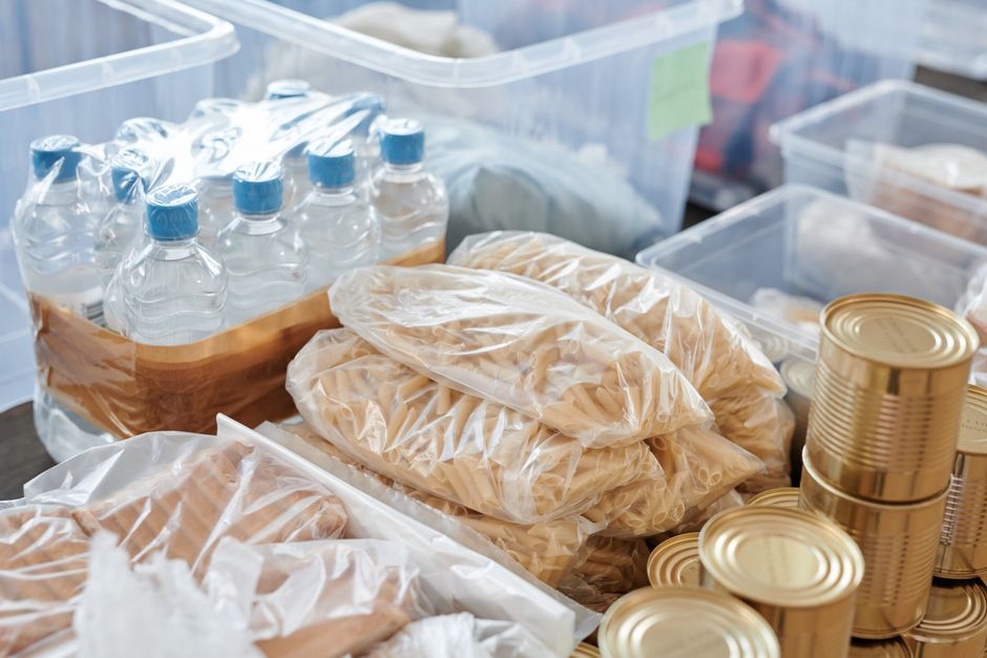
Start with at least one gallon (about 3.8 litres) of water per person per day for drinking and basic sanitation. Adjust for heat, illness, pregnancy, pets or local guidance. For three people over three days, that's at least nine gallons before accounting for pets. Nine gallons weighs roughly 75 pounds, plus the containers, so store most of it at home rather than planning to carry it out.
Commercially sealed water is convenient. If you fill containers yourself, use food-grade containers, mark the fill date and follow local public-health advice on storage and replacement. Don't count on a portable filter to remove chemical contamination: filters vary, and floodwater may contain substances they cannot handle. Follow the specific instructions in any boil-water notice.
Choose food that needs little preparation
Pack shelf-stable food your household will eat: canned beans or fish, nut butter, crackers, dried fruit, ready-to-eat meals and suitable infant food if needed. Add a manual can opener if any cans lack pull tabs. Don't make the plan depend entirely on a freezer, electric stove or water for rehydrating meals. Keep expiration dates visible and rotate food into ordinary meals before it expires.
If you plan to cook, use only equipment approved for the setting and ventilation available. Never run a charcoal grill, camp stove or generator indoors, in a garage or near an opening into the home. Carbon monoxide can build up without warning. When cooking conditions are uncertain, ready-to-eat food is the safer option.
Keep light, information and power separate
Pack a flashlight or headlamp, spare compatible batteries and a battery-powered or hand-crank radio that can receive local alerts. A headlamp leaves your hands free on stairs or when checking a fuse box. Tune the radio and test it before storing it. For background on public warnings, the Emergency Alert System overview describes one way alerts reach people in the United States; channels differ by country and locality.
Keep a charged power bank and the right cables with your evacuation supplies, and check its charge periodically. A car charger offers another option, but never idle a vehicle in an enclosed or partly enclosed space. Glow sticks provide short-term light; a tested flashlight is better for repeated tasks. Candles pose a fire risk and shouldn't be your main source of light.
Pack health and hygiene items for your household
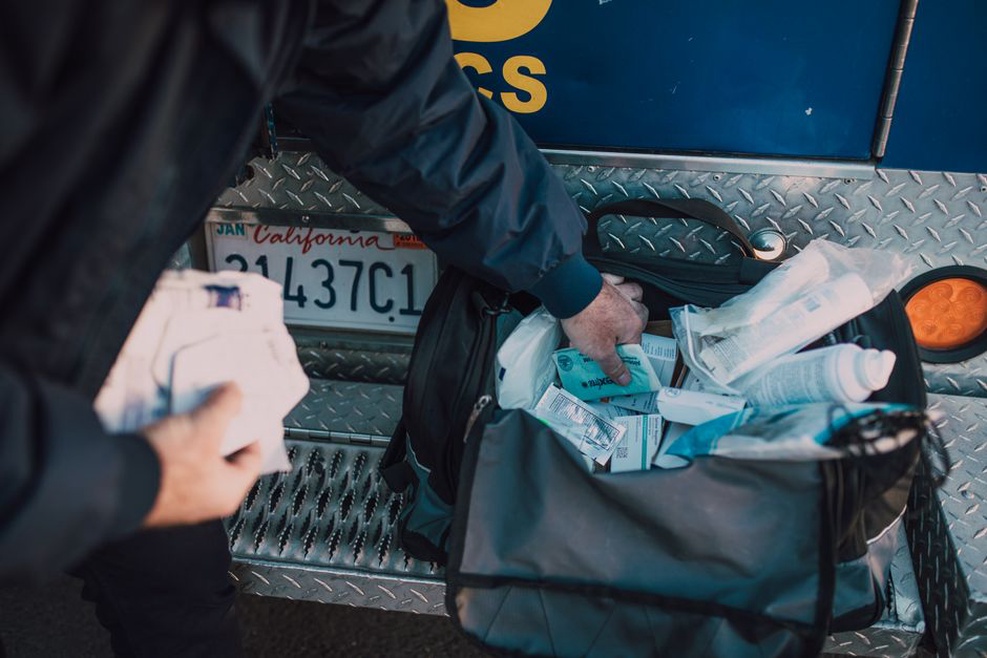
For minor injuries, pack adhesive bandages, sterile gauze, medical tape, disposable gloves, antiseptic wipes and any other supplies you know how to use. Add prescription medicines where practical, taking refill rules and storage requirements into account. Temperature-sensitive medicine does not belong in a hot shed or car. Keep an up-to-date list of medicines, doses, allergies and prescriber contact details in a waterproof sleeve, even if the medicines themselves must stay elsewhere.
- Personal care: toothbrushes, toothpaste, soap or hand sanitizer, menstrual products, incontinence supplies and spare glasses or contact-lens supplies where relevant.
- Sanitation: toilet paper, durable rubbish bags, sealable bags and cleaning wipes. If water service fails, check local advice before improvising toilet arrangements.
- Infant and pet needs: diapers, wipes, formula and feeding equipment as appropriate; pet food, water, a leash or carrier and any required medicine.
- Comfort and protection: sturdy shoes, weather-appropriate clothing, a blanket and work gloves. Include properly fitting masks if smoke, dust or local health guidance makes them relevant.
A first-aid kit cannot replace emergency medical care. If someone relies on electrically powered medical equipment, make a separate backup-power and evacuation plan with their healthcare provider and equipment supplier. An ordinary household power bank may not run the device.
Make documents and contacts usable offline
Phones can fail, run out of charge or become inaccessible. Print a short sheet with household phone numbers, an out-of-area contact, medical information and the address of your planned meeting place. Put copies of identification, insurance details, relevant medical records and pet vaccination information in a waterproof pouch. Leave originals in their usual secure place unless local evacuation guidance says otherwise. Password-protect digital copies rather than leaving sensitive files on an unencrypted drive.
Keep some cash in useful denominations in case card terminals and cash machines are down. A spare house or vehicle key can help, but secure it inside the bag, not visibly on the outside. If you keep a home music archive, make a separate inventory and backup plan for irreplaceable recordings or documentation. Those records should not take space needed for water, medicine or identification in the evacuation bag.
Include simple tools, then check the kit
A whistle can signal for attention. A small multipurpose tool, duct tape, a pencil and paper can help with everyday problems during an outage. Secure any tool that could injure a child. If you include a fire extinguisher, keep it within quick reach and learn how to use it beforehand. Know where the household water and electrical shutoffs are, but don't operate damaged utilities unless it is safe and you understand the procedure.
Check the kit twice a year instead of waiting for a storm warning. Test the flashlight and radio, recharge the power bank, check food and medicine dates, replace outgrown clothes and update the contact sheet. Inspect stored water according to its container and local guidance. Replace anything you use. A paper inventory taped inside the lid shows what's missing without an app or electricity.
For a first pass tonight, put a flashlight, working batteries, a radio, a manual can opener and a printed contact sheet in one container. Note the gaps on the inventory, then add your calculated water supply where its weight can be safely stored.