
Put the half-used bag of spinach where you’ll see it before opening a new one. Food often goes to waste because the ingredient most likely to spoil is hidden behind something else. A shelf, box, or clear container marked “use first” gives it a place you’ll notice.
Notice what you actually throw away
For a week or two, jot down what you throw away and why: forgotten in the fridge, cooked in too large a batch, spoiled before a planned meal, or left on a plate. You don’t need to weigh every scrap. The pattern matters more than the total.
If salad greens regularly wilt, buy less or use them early in the week. If rice is repeatedly left over, measure it dry before cooking. If fresh herbs are the problem, plan a few meals that use the whole bunch. Change one recurring habit at a time so the fix is easy to keep.
Shop for the days you will eat at home
Before shopping, check the fridge, freezer, and cupboard. Count the meals you realistically need, allowing for leftovers, meals out, and nights when you may not cook. Build your list around those days, not an ideal week.
Choose a few ingredients that can work in more than one meal. A bag of carrots might go into a tray of roasted vegetables, then a soup; cooked beans can fill wraps or top a baked potato. That flexibility helps when plans change. Be wary of bulk bargains on perishables: a lower price per unit saves nothing if you can’t use or freeze the extra food.
Think about when you’ll eat produce, too. Ripe fruit suits tomorrow’s breakfast; firmer fruit may last longer. Frozen vegetables are useful if fresh ones often spoil before you get to them. Buy berries and leafy greens in amounts you can eat promptly.
Make the fridge easy to use
In a crowded fridge, it’s hard to see what needs attention, and packed shelves can block air circulation. Keep older items toward the front, put newly bought equivalents behind them, and give leftovers a consistent spot. Clear containers help, but a label with the contents and date is more useful than a matching set of boxes.
Store food according to its needs rather than putting every vegetable in the same drawer. Refrigerate cut produce and other perishables promptly. Keep potatoes in a cool, dark, ventilated place away from onions, and check both regularly for soft or spoiled pieces. Follow package guidance for anything that needs refrigeration after opening.
Keep the fridge at or below 4°C (40°F) and the freezer at or below −18°C (0°F). A separate appliance thermometer helps if the built-in dial doesn’t show an actual temperature. Leave enough space for cold air to circulate.
Understand dates and spoilage
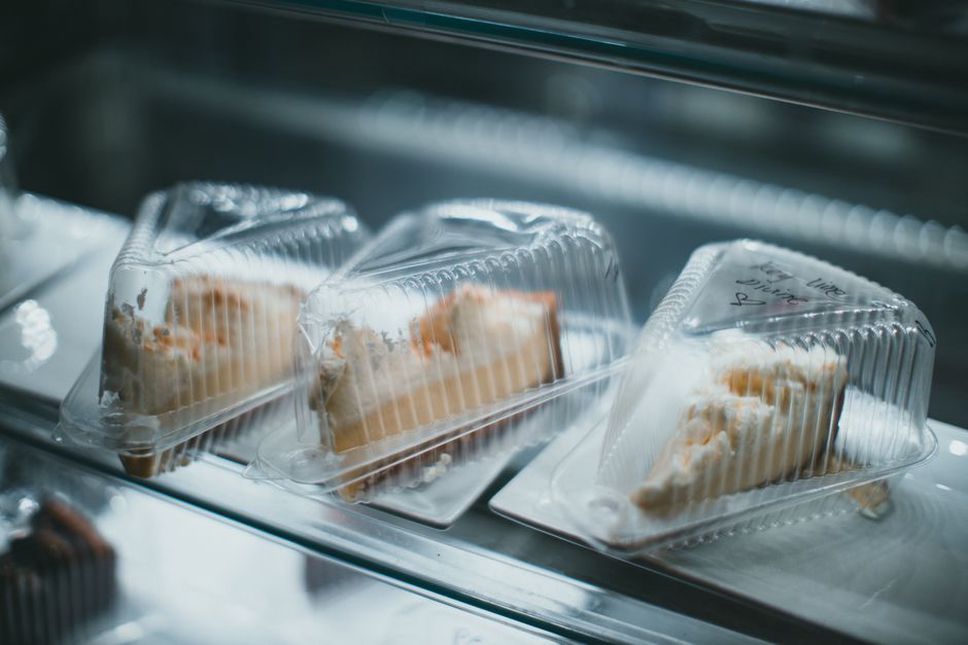
“Use by,” “best before,” and “sell by” can mean different things, and labeling rules vary by location. A best-before date generally concerns quality rather than marking an automatic safety cutoff. A use-by date on perishable food may have a safety meaning; follow local guidance and package instructions. Once food is opened, the printed date may no longer tell the whole story.
Mold, an off smell, or an unusual texture can signal trouble, but dangerous bacteria aren’t always detectable. Don’t taste food to check whether it’s safe. For raw meat, seafood, and other high-risk foods, rely on appropriate storage temperatures and cooking guidance rather than appearance alone.
Cook amounts you can manage
It gets easier to judge portions with practice. Measure pasta, rice, or oats a few times and note how much your household finishes. When a meal has several sides, serve smaller portions first and let people take seconds. Untouched food can stay in the serving dish rather than ending up on plates.
Batch cooking works best when you know where the extra food will go. Before making a large pot of soup, decide how many portions you’ll eat soon and how many you’ll freeze. Divide extras into shallow containers so they cool more quickly, refrigerate them promptly, and label freezer portions with the name and date. Follow local food-safety guidance for cooling and storage times.
A planned leftover is easier to use than an anonymous container. Roast vegetables can fill an omelet; cooked lentils can go into tomato sauce. Reheat leftovers thoroughly, and warm only the serving you need rather than repeatedly reheating the whole batch.
Use ingredients before they become waste
Before cooking, check what needs using first: softening produce, opened packages, or cooked food that should be eaten soon. You may find that the meal only needs a small change:
- Soft but sound fruit: add it to porridge, blend it into a smoothie, or cook it into a compote.
- Vegetables past their crispest stage: roast them or add them to soup, provided they show no signs of spoilage.
- Stale bread: make toast or croutons, or freeze slices before they deteriorate further.
- Small amounts of cooked grains: add them to soup or a grain bowl after checking that they were stored safely.
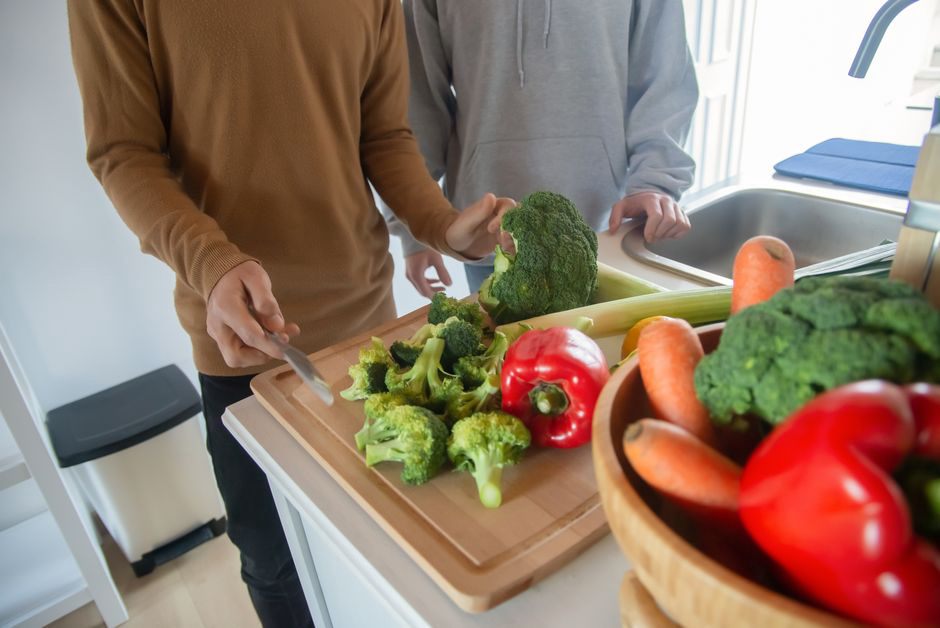
You can use more of some ingredients, too. Peel and slice tender broccoli stems; use clean herb stems to flavor a sauce or stock. Not every scrap is edible, and using food up should never take priority over safety. When edible use is no longer possible, composting can keep suitable plant scraps out of the rubbish; how to start composting at home covers a simple setup and what to put in it.
Give the freezer a job
Freezing buys time, but it won’t make spoiled food safe. Freeze bread while it’s still good and portion sauces before they sit in the fridge for days. If you want berries to stay separate, spread them on a tray before transferring them to a container. Leave room for liquids to expand, use freezer-safe packaging, and remove excess air where practical to limit freezer burn.
Keep a short list of frozen meals and ingredients on the freezer door or in your phone, then cross things off as you use them. Otherwise, the freezer can become another place where food disappears. Once a week, choose a frozen portion for an upcoming meal before adding anything new.