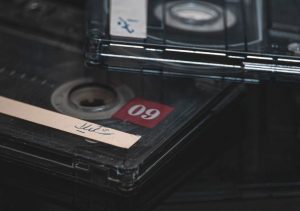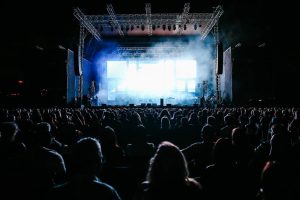
Calling a recording a “debut album” can rewrite a band’s history in two words. There may be an earlier self-released album, or the recording in question may be an EP. Before smoothing the prose, pin down what each factual statement says. Format, chronology, and attribution matter in a music archive.
Fact-checking is more than asking whether a sentence sounds convincing. It means isolating claims a reader could check, finding evidence that addresses them, and changing the wording when the evidence falls short.
Turn the draft into checkable claims
Read the post straight through, then go back and mark dates, names, places, release formats, credits, quotations, numbers, and claims about what happened first. Mark comparisons and superlatives as well: “their largest show” needs evidence just as a concert date does. One sentence may contain several claims. “The band recorded its first EP in Helsinki in 2011” makes separate assertions about format, location, and year; a single source may not establish them all.
Check the claim the draft actually makes. A dated studio photograph cannot confirm that an album was released in a particular month. A preliminary festival lineup confirms a booking, not necessarily that the group played.
Prioritize errors that could distort the record: a disputed debut, a musician’s identity, a festival appearance, or a quotation attributed to the wrong person. Descriptions of sound need care too. “Fast, palm-muted riffs” describes an audible feature; “the fastest band in Finland” is a comparison that needs a defensible measure.

Match evidence to the claim
Look for records close to the event or object you’re describing. A physical release’s insert can establish how that edition credits its tracks and personnel. An archived band announcement may show when a release was announced; a dated festival program may show a scheduled appearance. Contemporary reviews document reception, but a reviewer’s interpretation is not proof of the band’s intent.
Each source has limits. A sleeve’s copyright year does not necessarily tell you when copies became available. A poster shows an advertised bill, not that every act took the stage. A musician’s later recollection may add context, but dates recalled years afterward are worth checking against contemporary material. Note what a source supports rather than letting its reputation stand in for a precise match.
When sources disagree, ask whether they refer to different things. An original issue and a reissue may have different dates; a digital listing may reflect a later upload; a touring lineup may differ from the recording lineup. If the conflict remains, narrow the sentence. Name the edition you can document, use a year instead of a day, or say that the available records disagree. The most precise-looking date is not automatically the right one.
Separate firsthand records from repeated claims
Five websites repeating the same band biography are not five independent sources. Trace an unusual assertion to its earliest identifiable source. If every version leads back to one unsourced paragraph, leave the claim unverified. An interview, a release insert, and a contemporary concert report may provide independent evidence—but only if each speaks to the point you’re checking.
Check the chronology and the wording
For a post covering several releases, lineup changes, or tours, make a short timeline. Use the date each source establishes, keeping recording, announcement, release, and reissue dates separate. A timeline can expose a contradiction that individual sentences hide: a musician cannot both join after a recording and be credited with playing on it without further explanation.
Watch the verbs. “Released,” “recorded,” “announced,” “listed,” and “performed” describe different events. So do “influenced,” “resembled,” and “was compared with.” A review might say a Finnish thrash band recalled earlier Bay Area records; it cannot tell you which records the musicians listened to. Attribute that comparison to the reviewer, or describe the audible feature without claiming to know the band’s intent.
Check quotations against the original wording, including the surrounding answer. Name the speaker and occasion accurately. If you translate a quotation, make clear that the English is a translation rather than the speaker’s verbatim words. A short extract can mislead when the rest of the answer qualifies or reverses it.
Keep a compact verification record
A claim log makes a review easier to finish—and easier to revisit. Four fields in a table or document are enough:
| Draft claim | Evidence checked | Status | Action |
|---|---|---|---|
| “The EP came out in 2012” | Release insert and dated announcement | Supported for the original issue | Specify “original issue” if later editions appear in the post |
| “The band played the festival” | Advance lineup only | Not established | Find a performance record or change to “was billed” |
| “The city’s most influential thrash act” | No defined measure | Unsupported judgment | Remove or attribute a specific assessment |
Record enough detail to find the exact passage again: title, author or issuing body if known, date, edition, page or track-credit location, and the date you checked a page that may change. Your private log can be fuller than the published attribution. It also means a later correction will not depend on someone remembering which version of a release listing they consulted.
Resolve gaps without inventing certainty
Give each marked claim an outcome: supported, qualified, or removed. Qualify it when the evidence supports less than the draft says. If you have only a surviving poster, “A surviving poster bills the group for the show” is sound; “the group played the show” remains unproven. If dated evidence shows an item existed by late 2013 but not when it first appeared, “by late 2013” may be the most you can say.
Be especially careful with people. Check spellings, diacritics, stage names, instruments, and which period a lineup belongs to. A gap in credits or performances does not establish when someone left, or why. If the article does not need the claim, leave the guess out.
Finally, check the revised draft, not just the original claim log. Moving a date into a heading may make it appear to cover every event below; changing “an early release” to “the first release” adds a new claim. If the only evidence for “The band played the festival in June” is a June schedule, write was scheduled to play before publishing.