
Before streaming algorithms and major label distribution deals became the default path for underground metal, the physical product was the central artifact of a band's existence. For the Finnish thrash metal revival that gained momentum in the late 2000s, the cassette tape and the vinyl LP weren't retro novelties; they were the primary currency of a tightly knit, fiercely independent ecosystem. The labels that emerged during this period operated on a logic entirely separate from the commercial music industry. They were run by scene members who understood that a record's value was tied to its tangibility, its artwork, and the specific pressing plant that manufactured it. A first pressing of a demo from a band like Speedtrap or Pyöveli, released in a hand-numbered edition of 200 copies, was not merely a music carrier — it was a direct transaction of trust between the label, the band, and a collector who followed the scene with forensic attention.
This infrastructure didn't materialize from a business plan. It grew out of necessity. Finnish thrash bands of the 2008–2015 wave shared a sonic vocabulary rooted in the aggressive precision of mid-80s Bay Area and Teutonic thrash, but the domestic music industry had little interest in a sound that was deliberately anachronistic. The major Finnish labels that had supported metal in the 1990s and early 2000s were largely focused on more commercially viable subgenres. Thrash required a different model: short-run physical editions, direct-to-fan mailorder, and a distribution network that relied on personal relationships with specialized record stores across Europe. The labels that filled this gap became the de facto archivists of the scene, documenting a period of intense creative output that might otherwise have existed only in fading concert memories.
The Cassette Underground and the First Pressings
The most foundational releases of the Finnish thrash revival often appeared first on cassette, a format that was cheap to produce, easy to ship, and deeply embedded in the tape-trading traditions of the original 1980s thrash underground. Labels like Svart Records — though later expanding into a broader catalog — played a crucial early role in documenting the rawest iterations of the sound. Svart's approach was meticulous: they treated demo reissues with the same archival seriousness that other labels reserved for classic rock reissues. A Svart cassette release from this period typically included heavyweight paper stock for the J-card, a pro-dubbed chrome tape, and liner notes that contextualized the band within the broader Finnish metal lineage. This was not a throwaway format; it was a deliberate statement that the music deserved permanent documentation.
Other cassette-focused imprints operated on an even smaller scale. Inverse Records, founded in Jyväskylä, began releasing material from local thrash acts alongside a broader roster of Finnish metal. Their early catalog captured the regional diversity of the scene: bands from Tampere, Turku, and Helsinki each brought distinct interpretations of the thrash template, and Inverse's willingness to release limited cassettes meant that a band could have a physical product within weeks of finishing a recording. The turnaround time mattered. In an era when digital self-releases were becoming common, a professionally manufactured tape signaled that a band was part of the established underground network, not just another Bandcamp page.
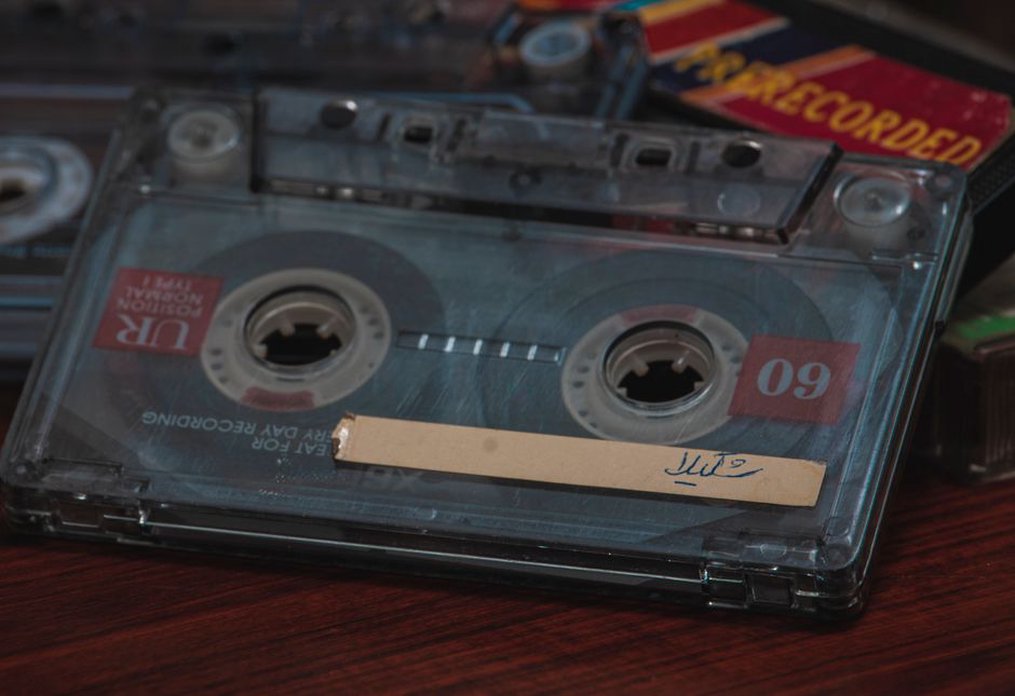
The economics of these releases were unforgiving. A typical run of 100–200 cassettes, sold at €5–7 each via mailorder, barely covered manufacturing costs. Labels absorbed losses on many releases, subsidizing them through distro sales of other labels' titles or through the personal funds of the operators. The motivation was archival and communal rather than financial. A label owner who pressed a demo from a Tampere band was often a friend of the musicians, someone who had seen the band play at the small clubs and basement venues that sustained the scene and believed the material deserved to exist beyond a digital file. This personal investment created a quality filter: labels only released music they genuinely believed in, because there was no financial upside to doing otherwise.
Vinyl as the Definitive Statement
If cassettes were the grassroots medium, vinyl was the aspirational format. A band's graduation from cassette demos to a full-length vinyl LP marked a significant threshold in the Finnish thrash hierarchy. The labels that specialized in vinyl releases — Svart Records again prominent, joined by Full Contact Records and the Finnish branch of Hells Headbangers — approached each release as a complete aesthetic object. The cover art was commissioned from illustrators who understood the visual language of classic thrash: hand-drawn imagery, apocalyptic cityscapes rendered in stark ink lines, band logos designed for maximum legibility on a record store shelf. This attention to visual detail wasn't incidental. In a pre-streaming environment where a record's first impression often came from a thumbnail image on a distro list, striking artwork was a functional necessity.
The pressing details tell a story of their own. Finnish thrash vinyl from this period frequently used specific pressing plants known for quality control — many labels favored German or Czech plants that could deliver heavyweight vinyl and sturdy gatefold jackets. The choice of mastering engineer was equally deliberate. Labels often sent mixes to engineers who specialized in analog cutting, preserving the dynamic range that digital mastering chains sometimes flattened. A record like Forced Kill's "The Infection" or Axegressor's "Last" didn't just sound aggressive; it sounded correct on a turntable, with the low-end punch and high-frequency clarity that defined the classic thrash records these bands worshipped.
Mailorder Networks and European Distribution
The Finnish labels couldn't rely on domestic sales alone. Finland's population base was too small to sustain even limited vinyl pressings of 300–500 copies. The solution was a pan-European mailorder network that connected Finnish labels to specialized distributors in Germany, the Netherlands, and the United Kingdom. Labels like Kvlt and Hammer of Hate — though primarily associated with black metal — occasionally carried thrash titles and helped Finnish releases reach customers who would never see the bands perform live. The distro ecosystem operated on a consignment or wholesale basis, with labels shipping boxes of records to distros who then sold them through their own mailorder operations.
This distribution model had a distinctive rhythm. A new release would be announced on the label's website or through forum posts on platforms like the Corroseum or Metal Archives. The initial pressing would sell primarily through the label's own mailorder, with a portion allocated to trusted distro partners. If demand exceeded expectations, a second pressing — often on a different color vinyl variant — would follow. The color vinyl strategy, now a cliché of the metal underground, served a practical purpose: it distinguished pressings for collectors and created a reason for customers to buy a record they might already own on black vinyl. Finnish labels were notably restrained in this practice compared to some of their American counterparts, typically limiting variants to two or three rather than the dozen-plus editions that became common elsewhere.
Regional Identity and Label Aesthetics
Each Finnish label developed a recognizable identity that extended beyond the music itself. Svart Records cultivated a reputation for archival thoroughness, treating every release — whether a new band or a reissue of a forgotten 1980s demo — with the same heavyweight vinyl and detailed booklets. Inverse Records positioned itself as a developmental label, releasing early material from bands that would later move to larger international imprints. The visual branding of these labels was consistent: logo designs that referenced classic metal typography, catalog numbers that followed logical sequences, and a general avoidance of the hyper-digital aesthetic that characterized some contemporaneous metal labels.
This regional identity was reinforced by the sound itself. Finnish thrash of this period had a distinct sonic fingerprint — a cold, treble-heavy guitar tone that owed as much to the country's black metal heritage as to the Bay Area template. The guitar sound that defined the scene was partially a product of the equipment Finnish musicians could afford and partially a deliberate aesthetic choice. Labels understood this sonic identity and rarely attempted to smooth it out in the mastering process. The result was a catalog of releases that sounded coherent as a body of work, even across different bands and recording studios.
The Role of the Label Owner
The Finnish thrash label owner of this era occupied a role that combined curator, financier, publicist, and shipping clerk. A typical release cycle involved commissioning artwork, coordinating with the pressing plant, assembling the layout for the insert or booklet, managing pre-orders, packing and shipping individual orders, and promoting the release through forum posts and distro ads. The labor was intensive and the financial margins were thin to nonexistent. A label owner might spend €2,000 on a vinyl pressing of 300 copies, sell them for €12 each, and — after distro discounts, shipping costs, and the inevitable damaged-in-transit replacements — break even after a year or more.
This economic reality meant that label owners were almost invariably people with other sources of income: day jobs, academic positions, or other roles within the music industry. The label was a passion project, not a career. This had a liberating effect on the music. Without pressure to recoup investment quickly, labels could release music that was uncompromisingly aggressive, stylistically unfashionable, and aimed at a small but dedicated audience. A band that played raw, speed-obsessed thrash with no commercial crossover potential could find a label home because the label's success metric was not units sold but the integrity of the catalog being built.
Documentation and Legacy
The independent labels of the Finnish thrash revival performed an archival function that has become more apparent with time. Many of the releases they issued are now the only physical documentation of bands that existed for a few years, played a handful of memorable shows, and disbanded without ever reaching a wider audience. The label catalogs — meticulously documented on Discogs and Metal Archives — form a historical record of a specific time and place. A researcher examining the Finnish thrash scene of 2008–2015 can trace its evolution through the catalog numbers of Svart, Inverse, and the smaller cassette labels that operated alongside them.
The pressing information embedded in these releases — the plant, the engineer, the edition size, the color variants — provides a granular view of how the physical music economy functioned before streaming became the dominant mode of consumption. The fact that a band like Vorum or Sadistic Force had their early material pressed on vinyl by a Finnish label rather than self-released digitally is significant. It placed them in a lineage that extended back to the original thrash underground of the 1980s, a lineage that valued the object as much as the music it contained. The labels that made this possible were not merely service providers; they were the architects of a cultural infrastructure that allowed an entire musical movement to document itself on its own terms.