A ten-minute walk after lunch may be easier to repeat than a standing promise to go out at seven every morning. Lunch already gives you a pause, and if it runs late, you can still walk. The first step is to find an opening in your day, not set another appointment.
That opening might come at the end of a shift, while dinner cooks, or between one archive entry and the next. It needn't fall at the same hour every day. For now, you only need to know when you might go and where you could walk without much preparation.
Start with a route that feels easy to leave for
Choose a short loop from your door, or a familiar stretch with an obvious place to turn back. Five to fifteen minutes is enough for the short version, even if you sometimes go farther. Check the route before you make it your default: busy crossings, poor lighting, uneven ground or a steep hill may be good reasons to choose another.
Find a sheltered option as well, perhaps a covered shopping street or a building corridor where walking is permitted. You don't have to plan around every inconvenience. But if rain or darkness regularly stops you going out, it helps to have somewhere else to walk.
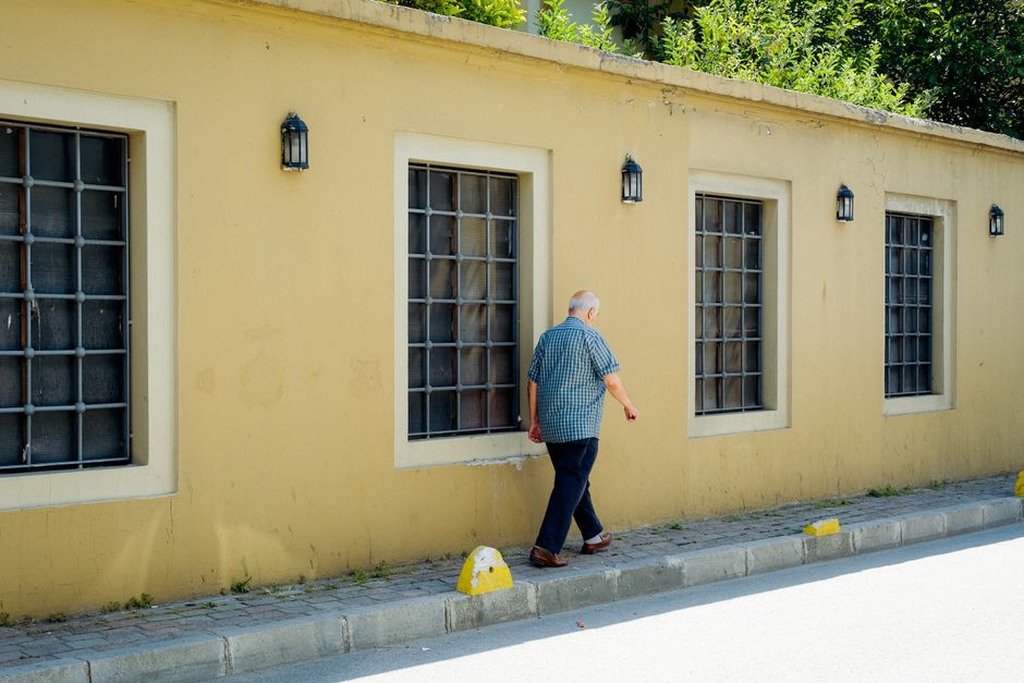
Use cues, not appointments
A cue can be as ordinary as putting down your headphones after a record, closing your laptop or arriving home. Let it remind you that a walk is available, rather than make you feel obliged to leave immediately. “I could go around the block when I finish this” leaves room for the rest of the day.
Sometimes that moment will pass when walking isn't practical. Keep a second opening in mind, such as before dinner. If that doesn't work either, try again at the next natural pause.
Make the smallest walk count
Every outing needn't be long or brisk. To the end of the street and back still counts, especially on a day when time or energy is short. Once going out feels familiar, you can lengthen the route or add another walk when it suits you.
Pick two or three likely opportunities in the coming week, without assigning them fixed days. Walk when one comes up; missed outings don't need making up. If you like keeping track, mark the days you walk on a calendar. If that starts to feel like a test, stop tracking.
- On a busy day: walk around the block or cover a short stretch of the way home on foot, where safe.
- On an ordinary day: take your familiar loop and turn back at the usual point.
- When you have time: carry on to a second landmark or try a nearby path, leaving enough time to return comfortably.
Choose the version that fits the day. A longer walk can be a pleasure without becoming the new minimum.
Remove friction before it stops you
For an easy walk, comfortable shoes matter more than special gear. Wear a pair that fits, suits the surface and doesn't rub. If the weather changes often, keep a suitable layer near the door. In low light, use well-lit routes and make yourself visible to traffic; keep headphone volume low enough to hear what's around you.
If you spend much of the day sitting to catalogue recordings, sort notes or listen closely to music, a walk offers a change of position and attention. There's no need to turn it into another archive task. Listening to an album is optional, and leaving the headphones behind may be the better choice around traffic, bicycles or uneven paths.
Choose company only if it helps
Walking with a friend can be enjoyable. If finding a time together makes it harder to get out, save company for an occasional longer route and keep your short solo loop available. The same goes for a podcast or playlist: enjoy one if you want, but don't make finding something to hear a condition of leaving.
Adjust the walk to your body and surroundings
Begin at a pace that lets you speak comfortably. Slow down or turn back if you feel unusually tired. If you're returning to activity after an illness or injury, or have a condition that affects exertion or balance, ask an appropriate health professional about a suitable starting point. Stop and seek urgent medical help for chest pain, fainting or severe shortness of breath.
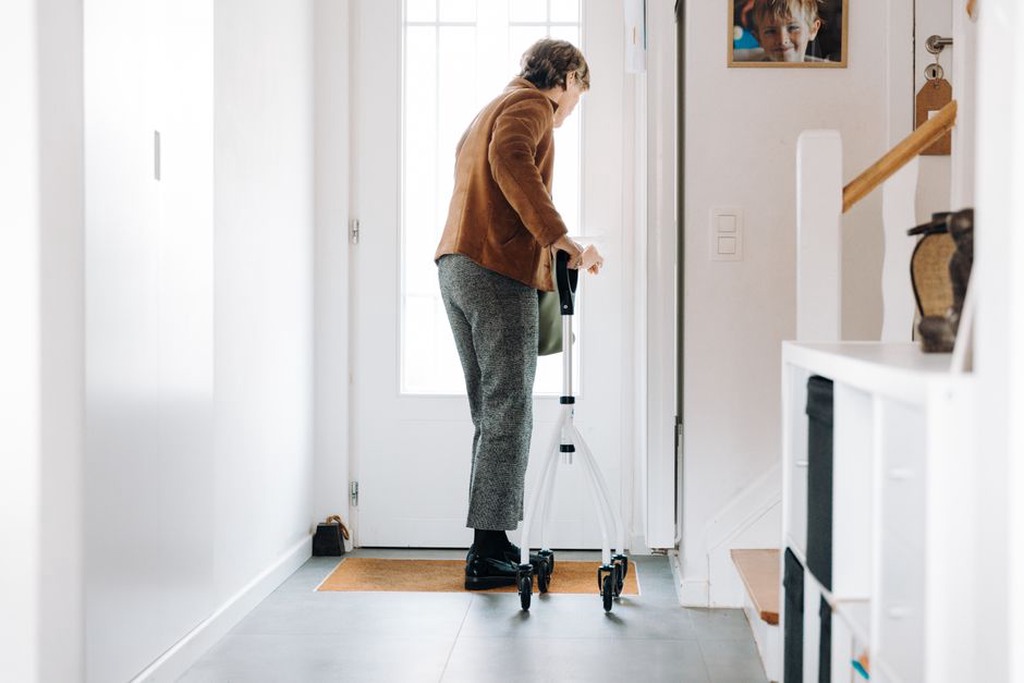
Distance may matter less than having a smooth, level path and places to sit. If you use a mobility aid, check surfaces, curb cuts and rest points when choosing a route. Several short lengths of an accessible indoor space can work instead of an outdoor circuit.
Conditions change, too. Ice may make a familiar pavement unsafe; in summer heat, a shaded route or a cooler time of day may feel better. Shorten the walk, change routes or stay indoors when you need to.
Let the routine change as it settles
After a couple of weeks, look at which openings actually led to walks. Perhaps mornings rarely worked, but going out after dinner was easy. Keep the cue that fits. If your usual loop gets dull, reverse its direction, pick another turning point or walk to a nearby errand.
Next time an opening appears, put on comfortable shoes and take the short route. Choose your turning point before you leave. If you want to go farther, you can decide that on another day.