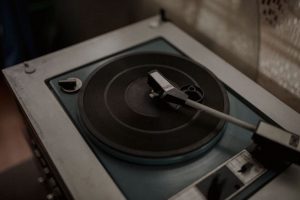
A Finnish thrash LP from the early 2010s may have reached the shelves well after the album itself. CD and digital editions often came first. That gap matters: vinyl did not return to the scene in one sweeping change. Bands and labels made release-by-release decisions about which recordings could justify the cost of mastering, pressing and shipping an LP.
There were reasons to make that investment. Younger bands drew on the speed and attack of 1980s thrash, while older Finnish acts remained points of reference. Physical releases still had a place at gigs and with independent distributors. Vinyl gave a new recording a visible, lasting form—and put it on a shelf beside the older albums that had helped shape its sound.
What “revival” means on wax
Finnish thrash had not vanished after its emergence in the 1980s. Stone’s early albums remained central to the country’s metal history, and bands such as Mokoma showed how thrash-derived riffing could develop far beyond a strict retro style. The vinyl revival is a narrower story: renewed interest in pressing, buying and discussing LPs as newer thrash acts found listeners in Finland and abroad.
It helps to separate the music from the format. A band could be part of a musical revival without issuing an LP; a vinyl reissue of an older album could reflect renewed interest in the format without documenting new songwriting. Both matter, but they tell us different things.
Lost Society, Santa Cruz and Speedtrap were among the younger Finnish acts associated with this period, though they did not sound alike. Lost Society’s Fast Loud Death appeared in 2013 with a clear appetite for speed and old-school energy. Speedtrap drew on related traditions with a rougher speed-metal sound. Rather than filing every band under a retro label, it is more useful to ask why the LP appealed to musicians working with concentrated riffs, striking artwork and a strong sense of metal’s recorded past.
Why an LP was a consequential release choice
Putting music online or ordering a small run of CDs was generally simpler than pressing vinyl. An LP called for suitable masters and artwork, a manufacturing commitment, distribution plans and somewhere to keep the stock. For an underground band, it was a choice to weigh carefully, not an automatic edition of every release.
The jacket helped make the case. Thrash artwork has long made use of illustration and sharp logos; details that can be easy to miss on a screen have room to register on a twelve-inch sleeve. Printed lyrics, credits and photographs also leave a fuller record of who made the album. Vinyl is not inherently more authentic than a CD or download, but a label expecting a release to stay in circulation might see value in that physical presentation.
What the object can establish
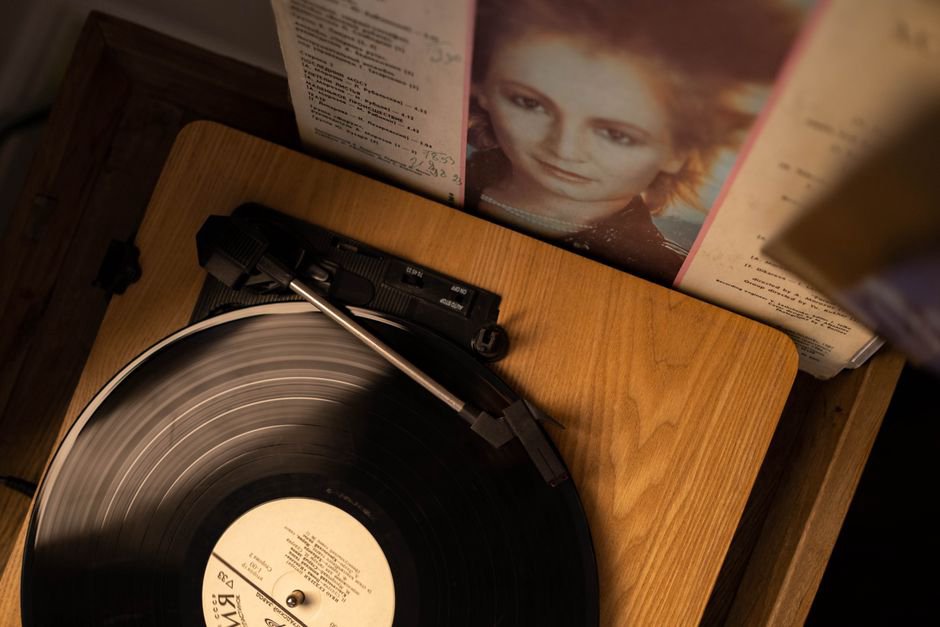
An LP can be historical evidence if its details are read with care. The sleeve may name musicians, studios, artists and labels; the center label can settle the side divisions and track order. Catalog numbers and matrix markings help distinguish pressings that look much the same. None of those details alone tells you how many copies sold or how far they traveled.
- Original LP issue: Check whether the vinyl appeared alongside the first CD or digital release, or came later.
- Reissue: Keep the recording date distinct from the date of the pressing you have.
- Variant: Colored vinyl or a revised sleeve may signal a different edition, not a new recording.
- Distribution clue: A retailer sticker or price tag suggests one path a copy took, not the release’s full reach.
This is particularly important when assessing a revival. A group of color variants might come from separate manufacturing runs—or from variants issued at the same time. Without release documentation, it cannot be counted as several distinct bursts of demand. For practical advice on examining and caring for copies, the guide to Finnish thrash pressings, provenance and preservation covers the collector’s side.
From recorded set to record shelf
At a club or festival, an LP let someone take home the music they had just heard at stage volume, along with the band’s artwork. But records were harder to carry on the road than CDs or shirts. An LP on the merch table says something about a band’s priorities and resources; it does not mean vinyl was its main source of income.
Independent labels helped local recordings travel beyond hometown shows. They might finance a pressing, coordinate manufacture and supply specialist shops or mail-order distributors. That gave Finnish releases a chance to reach European listeners following the wider thrash revival. A record stocked abroad, though, is not evidence that the band played there. Distribution and touring routes could cross without being identical; Finnish thrash bands’ European touring history from 2008 to 2015 needs to be traced separately from record sales.
The sound is in the recording, not the format alone
An LP does not sound more like 1980s thrash simply because it spins at 33⅓ or 45 rpm. Performance, recording, mixing and mastering have a much greater bearing on what the listener hears. Palm-muted guitars, a prominent snare and tightly locked bass and drums can hit hard on any medium. Vinyl cutting may require technical adjustments, but it cannot turn a contemporary recording into an archival one.
The format does change the listening experience. Side breaks interrupt the sequence, while the sleeve invites a closer look at track order, credits and artwork. A short, fast album can work well as two contained runs of songs: play one side, turn the record, hear the next. That is a feature of listening on vinyl, not proof that it holds a truer version of the music.
Reading the revival without overstating it
One LP sits within several histories at once. Its dates and editions belong to the release history; rehearsals, shows and fellow musicians belong to the band’s local setting. A wider market for traditional metal and physical media could then bring the record to someone who had never been to a Finnish gig. The object connects these stories, but cannot document all of them on its own.
Nor was vinyl the only way the music circulated. CDs were practical to produce and carry, and digital releases reached listeners without a physical sale. An account based only on LPs misses people who discovered a band online or bought a disc at a show. What an LP does show is a particular commitment: someone chose to manufacture a substantial object around that recording.
When dating a copy, compare the copyright and pressing details on its sleeve and labels with the album’s first release date. Write down both dates if they differ. It is a small step, but it keeps a later LP edition from being mistaken for a vinyl release that was there from the start.