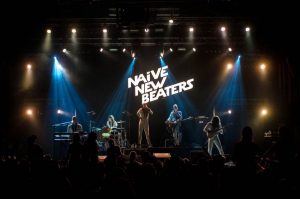
At a European festival in the late 2000s or early 2010s, a Finnish thrash band was rarely a major draw. More often, it played an early-afternoon slot, a smaller stage, or a club show tied to a larger festival weekend. Those appearances still mattered. They put a disciplined, locally rooted revival scene in front of listeners used to measuring national versions of classic speed and thrash metal against one another.
Finnish groups brought a recognisable tradition with their own regional character. Their music often drew openly on 1980s thrash—sharp down-picked riffs, compact songs, shouted refrains, and physical live performances—without merely copying the best-known American or German models. These bands came out of Finland's long metal tradition, active rehearsal-room networks, and an underground in which demos, small-run EPs, and self-released albums still counted as serious calling cards.
What “impact” means in a festival setting
Finnish thrash did not need headline slots or large attendance figures to affect European festival culture. Its role was usually cumulative: widening the pool available to promoters, linking Nordic and continental bills, and showing audiences that younger musicians were still writing in the language of classic thrash.
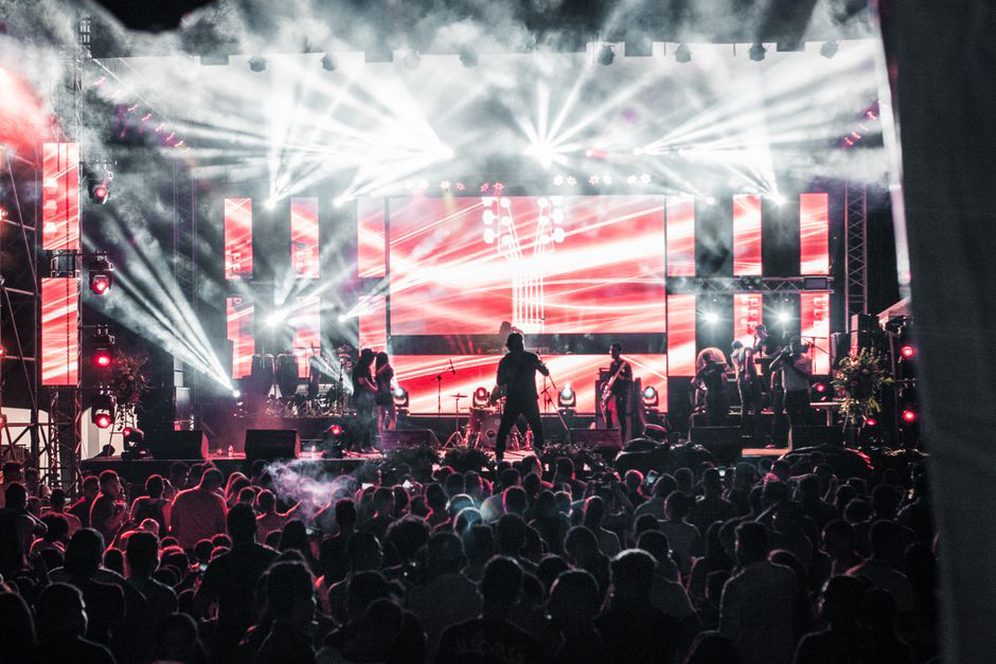
European metal festivals have always worked through contrasts of scale. Large events can place established international names beside smaller regional acts, while underground gatherings depend on touring bands and discoveries from nearby countries. Finnish thrash suited both settings. A strong 30- or 40-minute set could send listeners to the merch table, put a band on the radar for a later club date, or prompt a recommendation to a local promoter.
That was especially relevant during the revival-minded period between the late 2000s and mid-2010s. Thrash had never vanished, but a new wave of European bands renewed interest in fast, riff-led songs, vintage visual references, and forceful live sets. Finnish artists were part of that movement as peers, not as a novelty act from the north.
A sound that travelled well
Festival programming rewards music that makes its point quickly. Thrash is well suited to short sets: the tempo is immediate, riffs establish a song's character within seconds, and choruses or gang vocals can pull in people who have never heard the band. Finnish thrash groups of this period often wrote and arranged with that reality in mind. Their sets favoured momentum, clean transitions, and songs with distinct rhythmic identities instead of long introductions or elaborate production effects.
They were not interchangeable. Some bands favoured melodic leads and traditional heavy-metal phrasing, while others brought in harsher punk or hardcore energy. Independent releases ranged from dry, raw recordings to more polished studio work. The shared concern was guitar detail and rhythmic drive that could still be heard clearly onstage. For a deeper account of those musical shifts, Finnish Thrash Metal in the 2000s and 2010s: Riffs, Production, and Change traces how riff writing and recording approaches developed during the same era.
Why the classic vocabulary remained useful
Classic thrash references were useful at festivals for more than nostalgic effect. The genre gave audiences a familiar set of cues: palm-muted acceleration, abrupt breaks, lead-guitar exchanges, anti-authoritarian or fantastical imagery, and music that invites movement rather than passive observation. Finnish groups could use that shared vocabulary to reach international listeners before reputation or language became an obstacle.
Finnish musicians and audiences also had long experience with dense guitar music. That experience fed into a practical performance standard. Tight playing, steady tempo control, and rehearsed arrangements mattered when a band had one opportunity to hold an unfamiliar crowd's attention in a packed multi-band schedule.
From local networks to continental bills
A festival appearance usually began long before a band crossed a border. Local promoters, support slots, small Finnish festivals, shared equipment, independent-label contacts, and exchanges with touring groups formed the infrastructure behind outside invitations. A DIY release might reach distros and journalists; a well-received show could lead to a recommendation from another band; an opening slot could start a relationship with a promoter. European underground touring has often grown through exactly these modest connections.
Finland's geography added practical difficulties. Reaching Central Europe meant longer routes and higher costs than travel between nearby continental cities, so international dates had to be planned carefully. Bands often combined festival appearances with club shows, shared transport, or worked with labels and promoters able to offer connected dates. The economics were rarely glamorous. Merch sales, careful budgeting, and dependable support at home could decide whether a trip happened at all.
For organisers, Finnish groups offered musical credibility and a connection to the wider Nordic underground. They could appear alongside Scandinavian speed metal, German thrash, British crossover, or newer acts from Southern and Eastern Europe without sounding misplaced. That flexibility helped link scenes that national histories sometimes treat separately.
The festival effect on audiences and collecting
Physical releases still mattered at these events. Before streaming became the main route to discovery, festival merch was one of the clearest ways for an unfamiliar band to turn a good set into a lasting connection. A CD, cassette, patch, or shirt carried the group beyond the event and into record collections, tape-trading circles, and later conversations between fans.
For collectors, festival circulation offers useful context. A release bought directly from a band may be connected to a particular tour period, lineup, or visual design. That does not automatically make it rare or valuable, but it can help establish provenance and explain why small-run editions surface outside Finland. The practical side of preserving these materials is covered in Collecting Finnish Thrash: How to Build an Archive of DIY Releases, which focuses on documenting independent formats and their scene context.
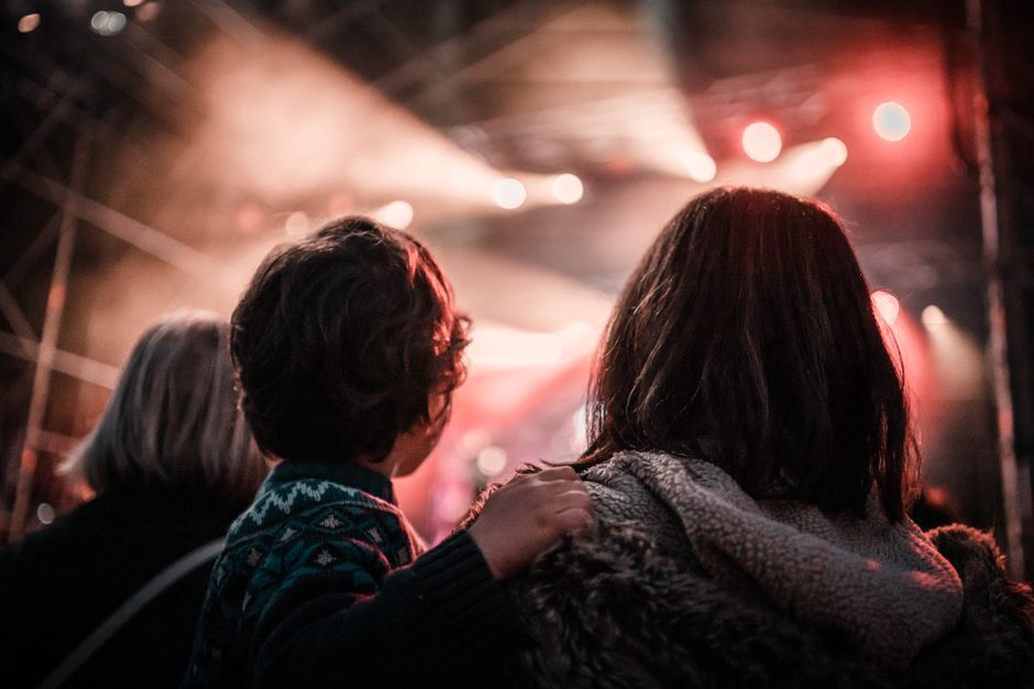
Audience response had an important social side as well. Festival crowds often move freely among subgenres instead of following one narrow scene. A Finnish thrash set could reach traditional heavy-metal fans, crossover listeners, death-metal attendees, and collectors looking for an independent release they had not seen before. That cross-pollination reduced dependence on a single local audience and helped promoters judge which acts might return for standalone dates.
What Finnish bands added to European festival culture
- A credible revival perspective: Finnish acts showed that classic thrash techniques could remain alive in new material, rather than existing only through legacy bands.
- Nordic connections: Their presence reinforced artistic and practical links among Finnish, Swedish, Norwegian, Danish, and continental underground networks.
- Effective small-stage energy: Fast, direct songs worked well in daytime, side-stage, and club-festival slots, where a band had little time to make its case.
- Independent-release culture: Demos, EPs, and modestly pressed albums gave festival-goers tangible ways to support bands and take discoveries home.
- Generational continuity: Younger performers engaged with the legacy of Finnish pioneers while building their own communities and touring relationships.
These contributions were usually subtle. A festival's character comes not only from headliners, but from the succession of bands that gives the day its regional voices. Finnish thrash helped keep underground European bills varied while the genre was being reinterpreted in many countries.
Limits of the narrative
It would be misleading to present Finnish thrash as a dominant force across all European festival culture. Major events are shaped by booking budgets, label visibility, agent networks, travel logistics, and the commercial pull of established names. Many Finnish underground bands remained mainly local, played abroad only occasionally, or ended before building a sustained touring profile. Access to festivals was uneven, and one international appearance did not guarantee continued exposure.
The term “Finnish thrash” also needs to be used carefully. Festival bills often grouped together acts with overlapping yet distinct approaches: speed metal, crossover thrash, blackened thrash, traditional heavy metal, and death-thrash hybrids. Promotional copy can flatten those differences. Recordings, contemporary flyers, and the lineup active at the time provide a more accurate picture than treating every fast Finnish metal band as part of a single movement.
How to document appearances responsibly
Festival histories are particularly prone to incomplete listings being repeated as fact. Posters may advertise a band that later cancels, online databases can confuse one edition with another of a similarly named event, and retrospective accounts sometimes merge a club show with a festival weekend. Good documentation separates confirmed performances from planned ones and notes uncertainty where it remains.
| Source type | What it can confirm | Common limitation |
|---|---|---|
| Official festival poster or programme | Advertised bill, venue and edition | May not reflect late cancellations or timetable changes |
| Band archive or contemporary post | Tour route, lineup and travel context | Can be incomplete after platform changes |
| Contemporary review or photographs | Evidence that a performance took place | May misidentify dates or stages |
| Physical ticket, flyer or set list | Local detail and provenance | Needs comparison with other sources |
A useful archive entry records the festival name, city, country, date, stage where known, active lineup, supporting evidence, and any caveat about the source. That care preserves the real achievement of Finnish thrash musicians: not a myth of universal festival domination, but a documented place in the working network that kept European metal festivals musically varied.
When you find a flyer or programme, scan both sides at a readable resolution, keep the original filename, and note where it came from. Compare it with a band's release chronology and contemporary lineup information. A souvenir can then become reliable evidence of a specific Finnish thrash appearance.