For Finnish thrash metal, radio was rarely the route to mass exposure. Late-2000s to mid-2010s revival bands were sustained by rehearsal rooms, small venues, physical releases, and personal contacts. Even so, radio mattered at key moments: it helped make heavy music feel culturally legitimate, gave listeners a shared frame of reference, and occasionally carried an underground track beyond the crowd already showing up at gigs.
The important distinction is between broad exposure and support within the scene. National and commercial stations seldom turned a rough independent thrash demo into a hit. Specialist programmes, public-service music coverage, local stations, and presenter-led evening slots served another purpose. They introduced new releases, announced club shows, interviewed musicians, and placed Finnish acts alongside the international records that had shaped their sound.
A country already accustomed to heavy music on air
Finland’s established metal culture made radio attention for harder styles more plausible than it might have been elsewhere. Rock and metal had long held a place in national music discussion, and Finnish artists in several heavy subgenres had achieved public recognition. That did not remove the divide between mainstream metal and underground thrash, but distorted guitars, harsh vocals, and high tempos were not automatically treated as unfit for broadcast.
For younger listeners in the late 2000s, radio could be an entry point rather than the final destination. A programme might play a familiar international band, discuss a festival bill, and then include a newer Finnish recording rooted in traditional thrash. Listeners still had to find the demo, attend the show, or order the small-label release themselves. Radio provided the prompt.
Specialist shows and the power of context
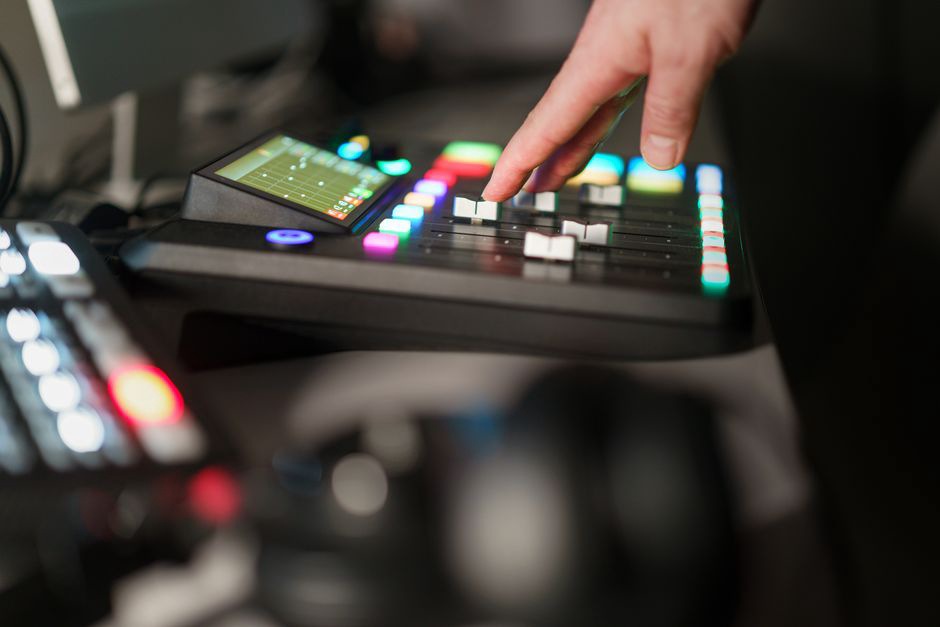
Thrash benefits from context. Its appeal often lies in particulars: a tightly picked riff, a sharply accented drum pattern, a rehearsal-room production decision, or lyrics that acknowledge older genre traditions. A short radio slot could not unpack every detail, but an informed presenter could name influences, identify a new release, and explain where a band came from. That made unfamiliar music easier to understand.
Trust in the presenter mattered. Underground artists usually lacked the advertising budgets, press support, and distribution available to larger acts. When a respected metal host played a Finnish track, the selection functioned as a modest recommendation. It did not guarantee sales or a wider following, yet it suggested that the release deserved attention among the many demos, EPs, imports, and reissues competing for listeners.
What radio exposure could realistically do
- Introduce a band to listeners outside its immediate town or friendship network.
- Give an upcoming release a recognisable title, song, or chorus before a live appearance.
- Connect local musicians with promoters, fanzine writers, record collectors, and fellow bands listening to the same programme.
- Keep classic thrash reference points audible, helping newer acts reach listeners already receptive to that aesthetic.
- Support a concert announcement without replacing the direct work of posters, mailing lists, social media, and word of mouth.
These effects accumulated gradually. One spin rarely changed a band’s prospects. Repeated mentions across specialist media, combined with regular local shows and a record listeners could actually obtain, were more likely to build lasting recognition.
Radio did not replace the underground infrastructure
Calling any broadcast a breakthrough would overstate its importance. Finnish thrash bands in this period generally depended on self-financed recordings, small independent labels, direct sales at gigs, distros, and exchanges among committed listeners. Radio was one channel within that network, not the force that created it.
The limits were practical. Programming decisions depended on format, airtime, sound quality, language, and how well a track suited a station’s audience. A fast, abrasive song with deliberately rough production might fit a niche metal show perfectly and still have no place in a daytime playlist. Airplay also did not solve the basic problems facing underground bands: restricted touring funds, changing line-ups, small pressing runs, and uneven access to national promotion.
For that reason, the revival of the late 2000s and early 2010s should not be treated as a radio-created phenomenon. Local venues and European connections were equally important, as outlined in Finnish Thrash Metal in the Late 2000s and Mid-2010s. Radio amplified parts of the existing network; it did not create one from nothing.
Regional broadcasting and local visibility
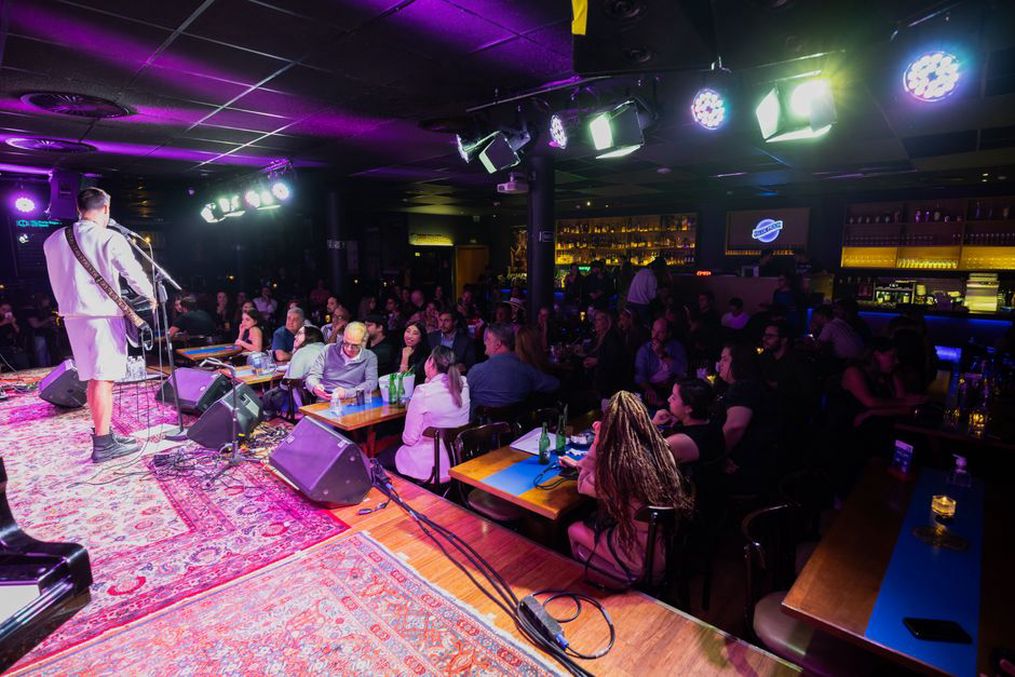
Local radio could be especially useful because a band’s first meaningful audience was often close to home. A brief interview before a hometown concert, a presenter’s mention of a new EP, or a track in a regional music segment gave an event visibility beyond the venue regulars. Even modest audience numbers mattered. Recognition could persuade someone to attend a first club show, and that first show often turned passing interest into continued involvement.
Regional attention also kept a sense of place intact. Finnish thrash groups shared influences with bands across Europe and North America, but their networks were rooted in particular cities, rehearsal spaces, youth centres, record shops, and promoters. A local broadcast could make those connections audible without pretending that a small scene had suddenly entered the national mainstream.
Classic records as an educational archive
Radio’s most lasting contribution may have been indirect: continued access to older heavy music. Revival-era musicians and listeners did not learn solely through broadcasts, but airplay for established records kept a historical link open between generations. Hearing classic material alongside newer Finnish tracks drew attention to shared traits—staccato riffing, rapid tempo changes, barked vocal phrasing, and politically or socially charged lyrics—while showing where local bands had developed their own identities.
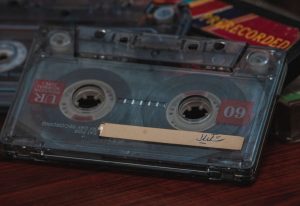
This programming also mattered to collectors. When a presenter identified an album version, label, or release period, listeners could seek legitimate editions through shops, labels, and artist channels rather than relying on unverified file-sharing sources. The record remained an object of interest: a demo cassette, CD, vinyl pressing, or later reissue whose artwork and credits documented the people involved.
From broadcast to participation
The route from hearing a song to taking part in a scene was usually straightforward:
- A listener hears a track or concert announcement on a specialist or local broadcast.
- They identify the band through the host’s introduction, a playlist, a friend, or the group’s own channels.
- They obtain a legitimate release, follow forthcoming dates, or attend a nearby gig.
- At the show, they encounter other bands, flyers, merch tables, and people sharing information about later events.
By the early-to-mid-2010s, social platforms increasingly sped up the second and third steps. Radio and online communication worked well together: a broadcast offered a trusted first encounter, while band pages and event posts supplied the practical details. How Social Media Connected Finland’s Thrash Underground examines that digital side of the revival-era network.
Researchers tracing a particular Finnish thrash release should treat broadcast claims carefully. A playlist, archived programme description, station recording, or contemporary interview is stronger evidence than a later recollection that a song was “on the radio.” When such material survives, it can establish more than the fact of airplay: it may identify the version played, the programme’s audience, and whether the mention related to a release, festival appearance, or local concert.