Three soft carrots and half a tub of yogurt can tell you more about next week’s meals than a blank shopping list. Check what needs using before you choose recipes. That way, perishables have a place in the plan before new groceries arrive.
Start with an inventory, not a menu
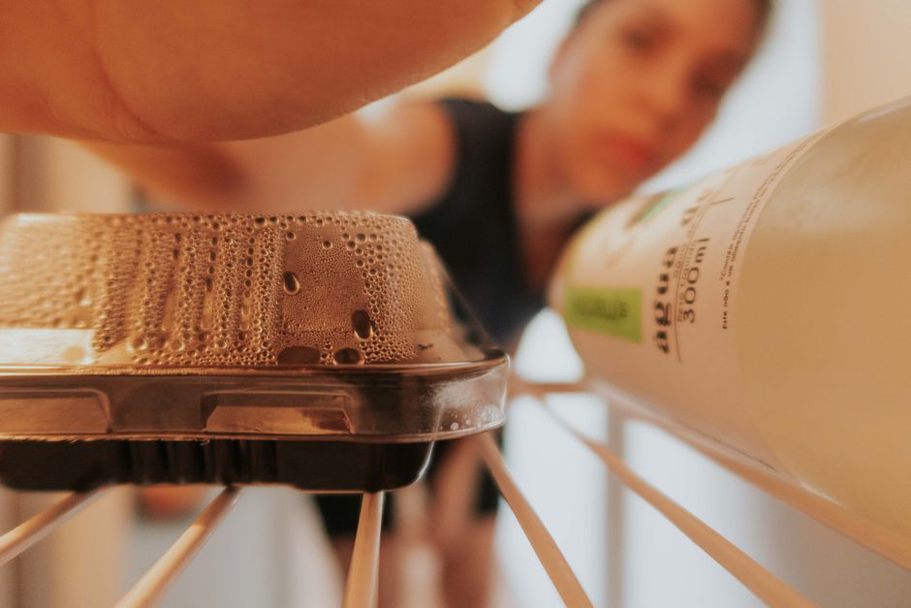
Look through the refrigerator, freezer, and pantry first. Skip the spreadsheet; a short note with three categories will do. List what needs attention soon, what you can build meals around, and which staples are running low. Check dates and the food itself. A “use by” date may concern safety, while a “best before” date generally concerns quality. Follow local label guidance, and discard anything showing signs of spoilage.
- Use soon: tender greens, ripe fruit, opened dairy, cooked leftovers.
- Build around: frozen vegetables, dry grains, canned beans, unopened sauces.
- Replace if needed: staples you actually use, not ones you buy out of habit.
Move the most urgent foods where you’ll see them. A clear container labeled “use first” can help, as long as raw meat is contained separately and stored safely. For a closer look at this first step, budget meal planning that starts with what you have works from the same inventory-first approach.
Plan around your real week
Count the meals you expect to cook at home instead of filling seven dinner slots by default. A late workday, a meal out, or a regular leftover night changes how much food you need. If you usually cook four dinners, plan four. Work out which might provide lunch the next day, then leave a flexible slot for food that needs using or a simple pantry meal.
Meals can share ingredients without forcing you to buy oversized packages. A cabbage might go into slaw, a stir-fry, and soup—but only if you’re likely to make all three. Before adding something to the list, ask what you’ll do with the part the recipe leaves behind. If there’s no good answer, buy less, use a substitute you already have, or pick another dish.
Give fragile foods the first slots
Put tender greens, fresh fish, and ripe produce early in the week. Save hardier vegetables, frozen ingredients, and pantry meals for later. The schedule is no substitute for safe storage: how long food keeps depends on its condition, packaging, and temperature. If plans change, refrigerate or freeze suitable foods promptly rather than waiting until the end of the week.
Build meals with reusable components
You don’t need a different recipe every night. Cooked grains, roasted vegetables, and a sauce can become several distinct meals. If you prepare food ahead, refrigerate it promptly in suitable sealed containers, and follow local guidance on storage times and reheating.
One week could run like this:
- Early week: use the most delicate produce, perhaps greens with beans and rice.
- Midweek: put the remaining beans and rice into stuffed vegetables or bowls with a different topping.
- Late week: make soup or a skillet meal with sturdy vegetables and any suitable leftovers.
- Flexible day: turn to a freezer or pantry meal if nothing perishable remains.
Match the quantities to your household before shopping. If dinner will provide enough leftovers for lunch, you don’t need to buy a separate lunch. And if your household tires of repeat meals, reuse ingredients rather than finished dishes: peppers can go into an omelet one day and a bean filling the next.
Write a shopping list tied to specific meals
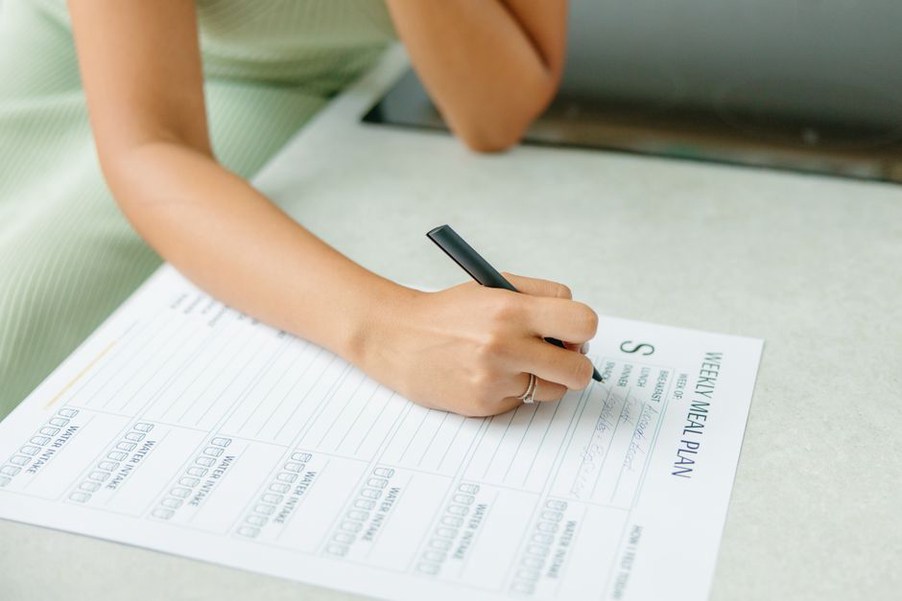
With the menu set, note how much each meal needs and subtract what you already have. “Spinach” leaves room for guesswork; “one small bag for Monday’s dinner and Tuesday’s lunch” gives you an amount to shop for. Compare package sizes with your plans, especially for herbs, bread, dairy, and fresh produce. A larger pack is no bargain if part of it spoils.
Leave room for a disrupted evening without buying a second menu. A shelf-stable backup, such as pasta with canned tomatoes and beans, won’t compete with the fresh ingredients you’ve already planned to use. Bring cold foods home promptly and store them as directed.
Plan a use for partial packages
Recipes rarely use every tablespoon. Jot a second use beside anything likely to be left open: turn yogurt into dressing, scatter herbs over a grain bowl, or add half a can of tomatoes to soup. Store opened foods according to their labels. If you freeze a portion, mark the container with its contents and date so you know what it is later.
Adjust the plan when life changes
A weekly plan should be easy to change. If dinner is canceled, see whether its ingredients can move to the next day. If not, cook or freeze suitable items while they’re still in good condition. Don’t keep food that has been stored unsafely just to avoid waste. Cool and refrigerate leftovers promptly, and reheat them thoroughly according to local food-safety guidance.
At the end of the week, note what you discarded and why. “Bought too much spinach” gives you something to act on; “wasted vegetables” doesn’t. Next time, buy less, choose a smaller package, or plan to cook the remainder. If fruit keeps ripening before you eat it, buy fewer pieces at once or mix ripe fruit with less-ripe fruit.
Make one change for the next shop. If you’ve twice had half a loaf of bread left over, freeze half of the new loaf as soon as you get home. Then take out only the slices you need for breakfast.