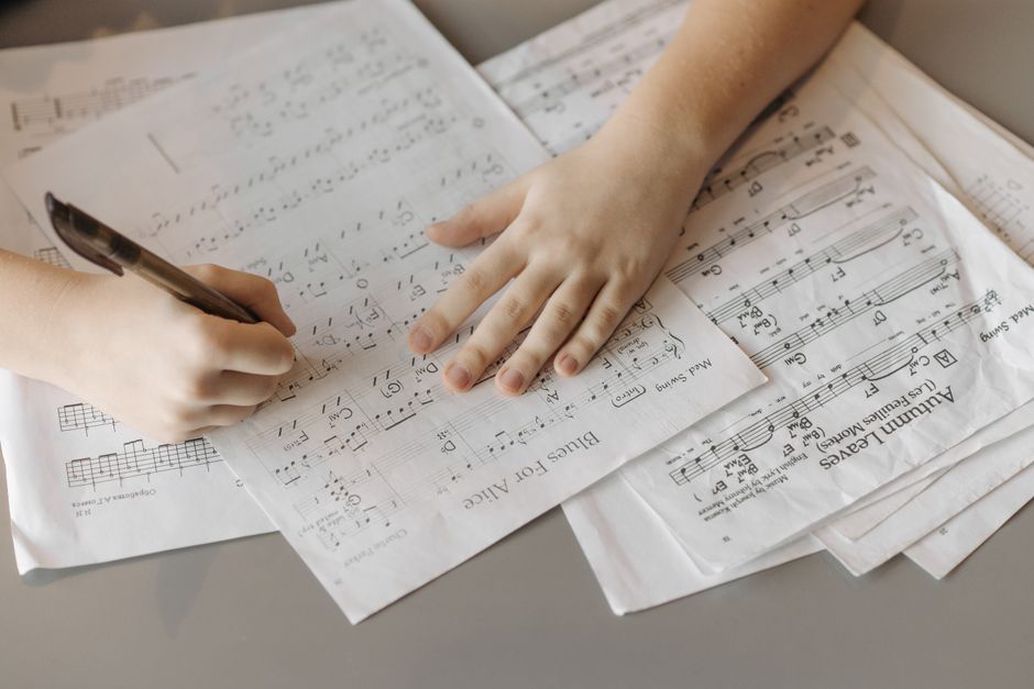
How to Match Search Intent to a Music Archive Entry
Plan music archive entries around the reader’s question, check ambiguous dates and formats, and place evidence and caveats where they help most.

Plan music archive entries around the reader’s question, check ambiguous dates and formats, and place evidence and caveats where they help most.
How to write an archive FAQ that explains release dates, concert evidence, corrections, recordings, and image permissions without hiding uncertainty.
How to organize a Finnish thrash archive landing page so readers can find release entries, concert records, sources and clear notes on uncertain coverage.
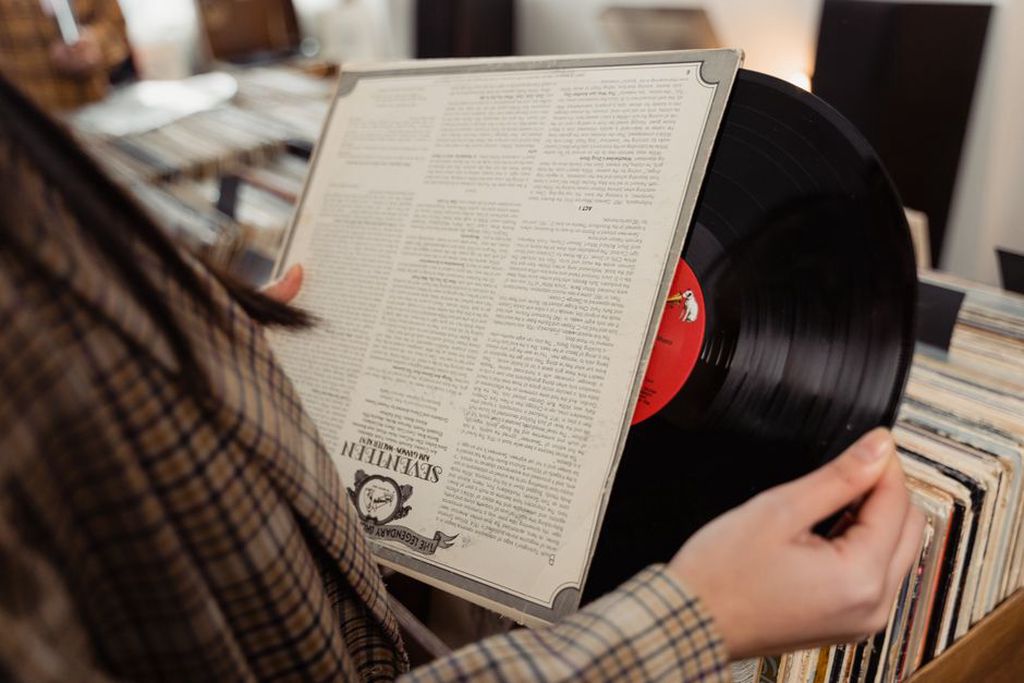
Reviews can help collectors assess scarce records, sellers and shows. Learn which details to trust—and where firsthand accounts need corroboration.
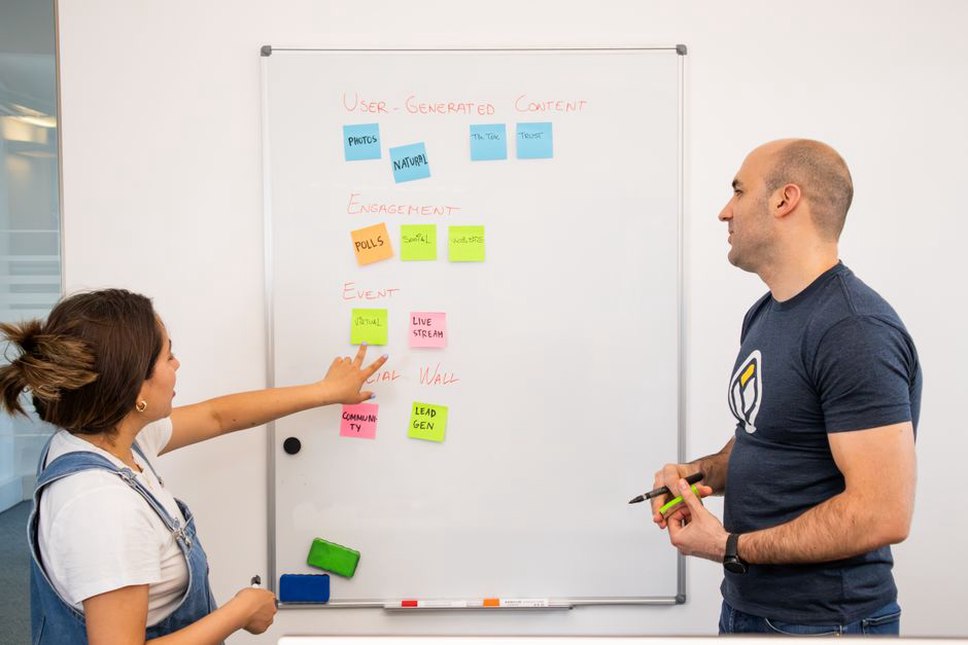
A practical workflow for a small Finnish thrash archive: track evidence, permissions, reviews, corrections, and promotion without rushing the historical record.
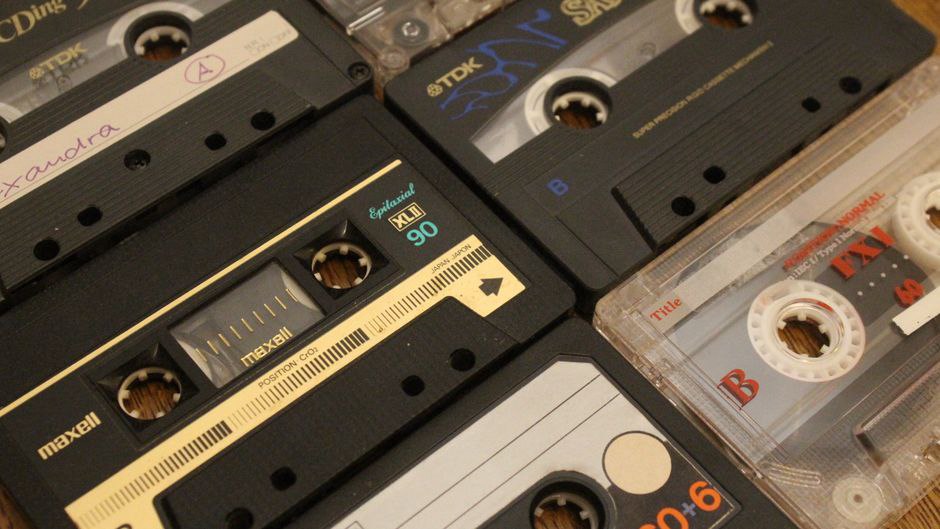
How to write useful links and prompts for a Finnish thrash archive, from comparing release editions to inviting well-documented corrections.
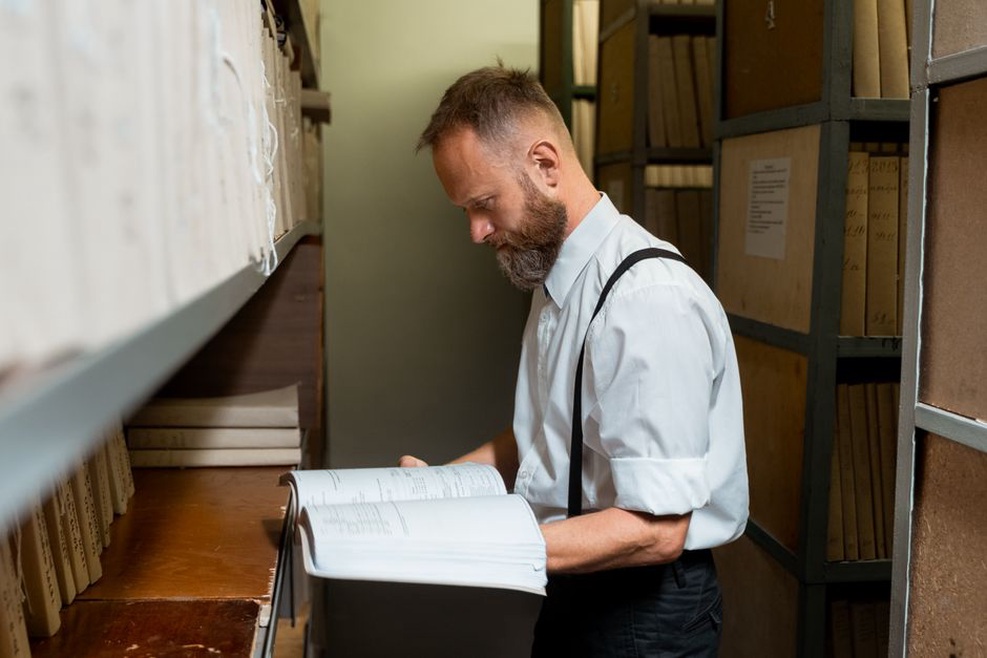
A practical approach to posting Finnish thrash history: choose useful formats, check rights and sources, invite corrections, and keep the archive as the record.
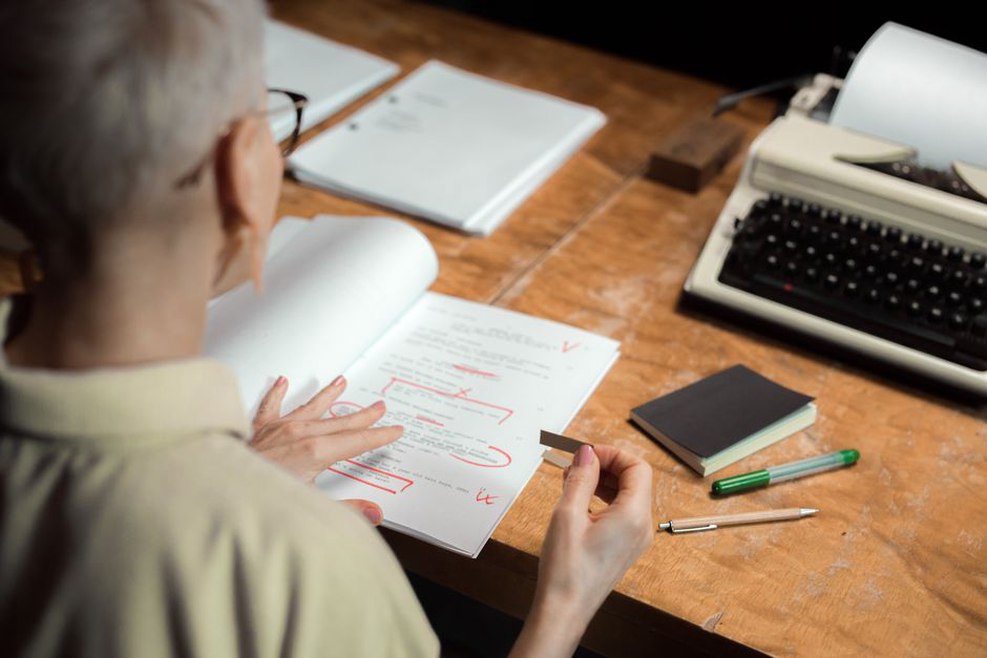
How to identify reader questions about Finnish thrash releases and shows, check the evidence, and write answers that respect what remains unknown.
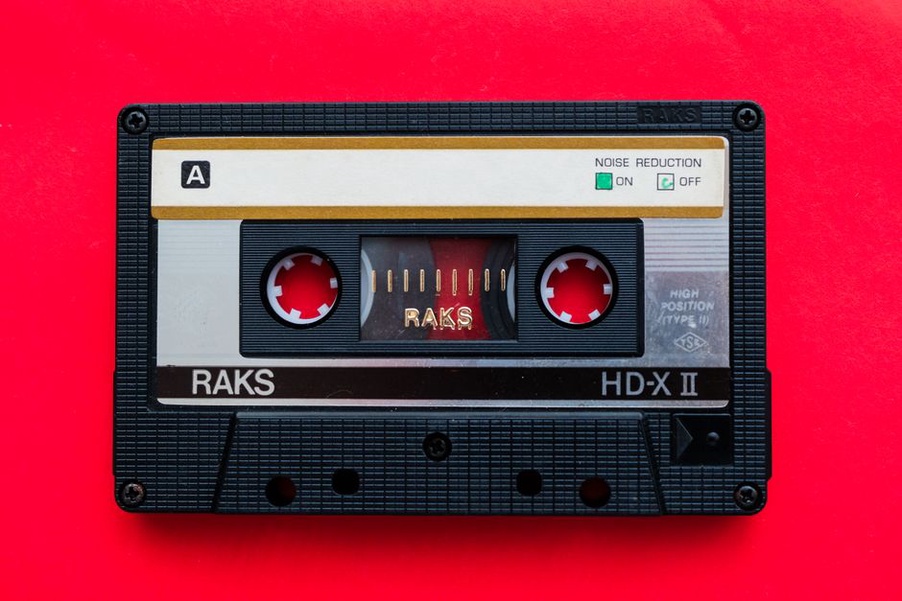
Practical accessibility checks for a music archive, from keyboard navigation and release entries to scanned track lists, media and correction forms.
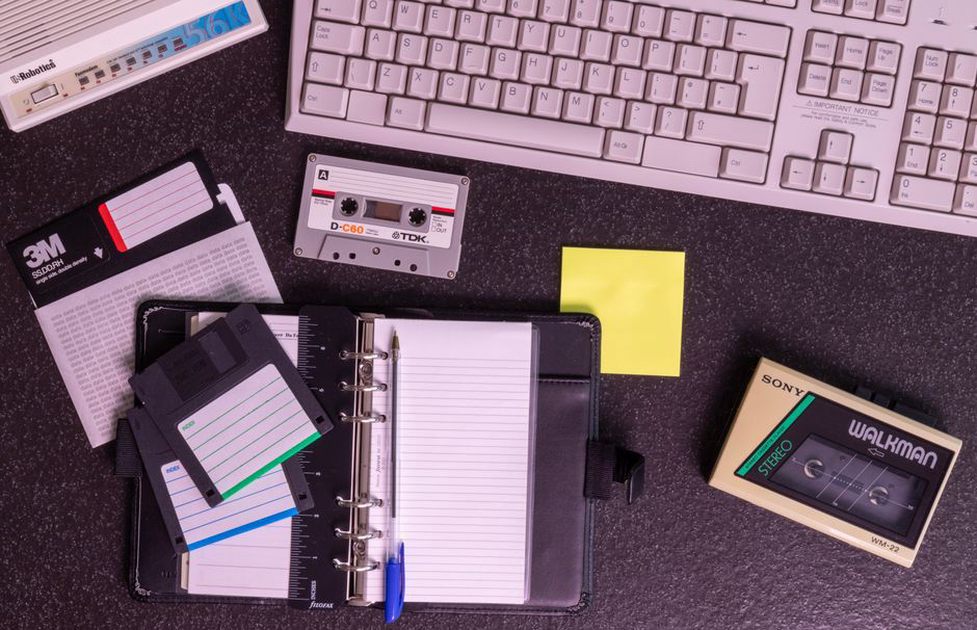
Make a music archive’s research services easier to assess: define deliverables, evidence standards, costs, rights boundaries, and what customers should send.