
Write down the amount before you put away the receipt. It is easy to forget a bus fare, a coffee on the way to a show, or the postage on a record. An expense log can be a notebook page, a spreadsheet, or a note on your phone. It need not connect to your bank. It just needs to tell you what you spent, when, and what you bought.
A log is different from a budget. A budget plans what you expect to receive and spend; a log records what happened. You can learn plenty from two weeks of entries without setting any limits. Aim for a record you can use, not a perfect label for every transaction.
Choose the place where you will actually record purchases
Pick a format you can reach when you buy something and check at the end of the week. Keep routine spending in one main record rather than scattering it across loose receipts and phone notes. You can always change formats later.
- A pocket notebook suits handwriting and keeps your spending details offline. Give each week a page with room for corrections, and carry it in the bag or coat you usually take out.
- A plain phone note is handy while travelling. Start a new note each month, with one purchase per line and a clear name such as “Expenses — April.” If privacy or backup matters to you, check whether your notes sync or stay on the device.
- A basic spreadsheet makes totals easier. Date, item, amount, and category are enough columns to start with. You can keep the file locally, and leave charts until you have entries to chart.
- A paper sheet at home can work if you mostly pay by card and enter purchases from statements. Choose a regular day to update it before the task becomes a month of reconstruction.
A hybrid is fine if the handoff is clear: jot purchases in a phone note, then move them to your notebook or spreadsheet on Sunday. Mark the temporary entries as done, or you risk counting them twice.
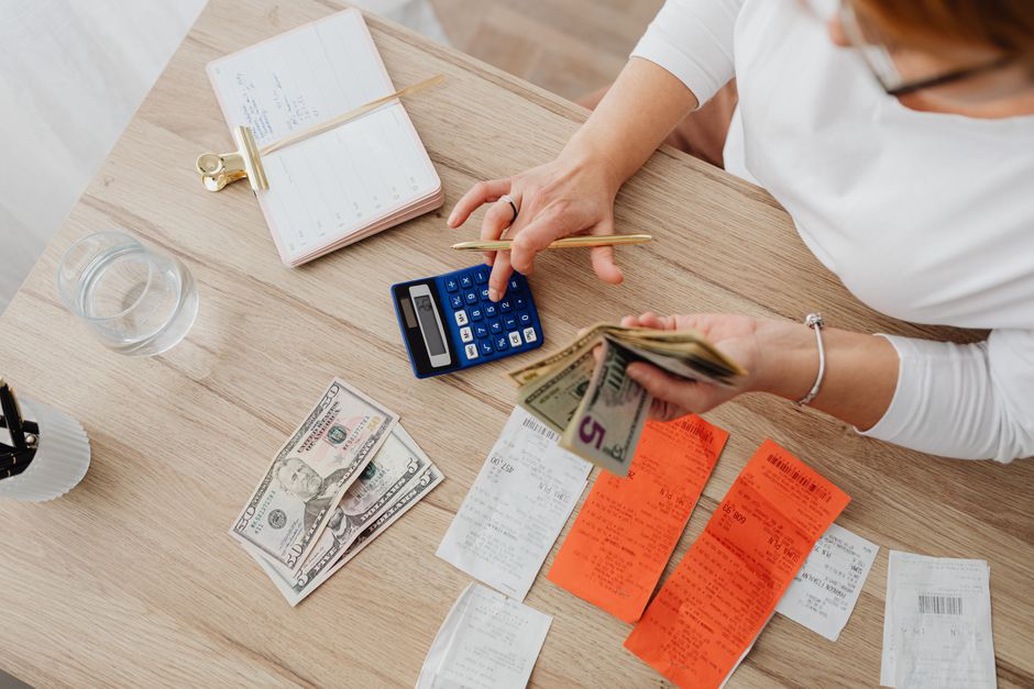
Make the first log deliberately small
For two weeks, record the date, a description you will recognize, and the amount paid. Add a category if it is easy to choose one. “Concert ticket — 24” tells you more than “entertainment — 24,” and the description remains useful if you change categories later. Stick to your usual currency. Record refunds as separate negative amounts or clearly labelled credits instead of erasing the original purchase.
Start with broad categories: groceries, transport, housing and bills, eating out, hobbies, and other spending may be plenty. A record-store visit could go under hobbies; a train to a festival could go under transport, with “festival trip” in the description. Choose labels that help you make sense of the entries later, and use them consistently.
You do not need to list every item on a grocery receipt. One shop visit can be one entry unless you specifically want to separate food from household supplies. Sorting bread, detergent, and batteries line by line makes the habit harder to keep up.
A simple entry format
Use the same order each time: date — description — amount — category. For example: “12 May — bus to rehearsal — 3.20 — transport.” Add “cash” if you want to compare cash and card spending. An entry should take less time than finding the receipt again.
Decide when a purchase enters the log
Enter a purchase when you pay. For everyday spending, that is simpler than tracking delivery dates or waiting for card transactions to post. Log an online order when you place and pay for it; a later card posting is not another expense. If the order is cancelled, enter the refund when it arrives and check that the amounts match.
Pay particular attention to cash, which may leave no useful statement trail. Taking 40 out of an ATM moves money into your wallet; it is not 40 of spending. Log what you buy with it. If you cannot identify every small purchase, a weekly “unrecorded cash” entry is more useful than pretending the difference is not there. You can work on making that entry smaller without treating it as a failure.
Card statements help fill gaps, but a merchant name may not tell you what you bought, and charges can appear days late. Shared purchases need an extra line, too. If you pay 30 for two tickets and a friend returns 15, enter both the 30 payment and the 15 reimbursement. That shows what passed through your account and what the tickets eventually cost you.
Give recurring costs a place of their own
Small daily purchases are easy to notice; recurring charges can slip by. Make a short reminder list for rent, your phone plan, insurance, subscriptions, or storage fees, with their usual payment dates. Enter each payment in the main log when it happens. The reminder list is not a second set of totals.
For an annual bill, log the full amount when you pay it. You can note a monthly equivalent when reviewing your spending, but do not enter that figure as another expense. A 120 annual charge works out to about 10 a month for planning; the log still has one 120 payment.
Give irregular costs descriptions you will recognize. “Festival weekend — lodging” is more helpful than “travel,” and “archive sleeves — 18” says more than “miscellaneous.” A month with a larger hobby purchase may look expensive beside a quiet one. The description explains why without requiring a new category for every interest.
Use a ten-minute weekly check
Choose a time you can repeat, perhaps Sunday evening or the morning after payday. Check receipts, the cash in your wallet, and recent account activity. Add missed purchases and look for duplicates. If you cannot explain a small difference quickly, mark the entry with a question mark and return to it when you know more.
- Enter purchases left on receipts or in a temporary phone note.
- Compare card entries with recent account activity, allowing for charges that have not posted.
- Make sure you have not counted both cash withdrawals and the purchases made with that cash as spending.
- Total the week, or just the categories you care about.
- Note one thing you noticed, such as “three takeaway meals” or “train tickets were the largest extra cost.”
That last note adds context without making the check a judgment on your spending. A high total might come from an annual bill, a planned trip, or purchases you made for other people. If you share costs, decide whether your log shows everything paid from your account or only your share after reimbursements. Either method works if repayments are labelled consistently.

Read the pattern without overcomplicating it
After two to four weeks, look at what repeats rather than drawing a big conclusion from one total. Which purchases come up often? Which did you expect, and which caught you by surprise? Are several small payments serving the same purpose? One costly week might be explained by an advance ticket rather than a daily habit.
Separate fixed costs, which are hard to change quickly, from flexible spending, where you make frequent choices. Rent and an existing insurance payment are different from snacks or optional outings. Necessary expenses also differ from purchases you value highly. The log shows where money went; it does not say every hobby cost should go.
If you want to change something, try one thing you can measure. Bring lunch twice a week, set aside cash for merchandise before a concert, or compare several short fares with the price of a travel pass. Keep logging while you try it. Changing one habit at a time makes the result easier to see.
Take care with month-to-month comparisons. Months have different lengths, and a yearly insurance payment or a trip can dominate a category. Put a short note beside unusual costs rather than leaving them out to make the numbers look smoother. Later, those notes will help you tell a pattern from a one-off.
Handle gaps, privacy, and missed days sensibly
A few missed entries do not spoil the log. Start again with your next purchase, then use statements and receipts to recover what you reasonably can. Label any unknown amount as an estimate. An acknowledged gap is easier to correct than an invented exact figure.
Keep only the financial details you need. Merchant names and amounts may be enough; you do not need account numbers, card details, or photos of every receipt. Store a paper log privately if you share your home. For a digital file, use your usual device protections and make a backup if losing months of entries would matter. If your notes sync, check who can access that account.
There is no need to pay for a tracking tool unless it solves a problem you actually have. A notebook page or plain file can show whether you buy lunch four times a week. If you later need records for taxes, business reimbursements, or several currencies, you can use a specialized system for those without giving up your everyday log.
To start today, title a page with the current month and enter the last purchase you can verify. Leave the next line ready in the same format—date, description, amount, category. The next receipt will have somewhere to go.